
TLDR
Iran's foreign minister put a seven-day roadmap to Washington requiring a ceasefire, sanctions relief and return of frozen funds before the Strait of Hormuz would reopen. Trump privately rejected the plan, according to one account, though a US official described mediator talks as positive. The world's most critical oil chokepoint has been effectively closed since late February 2026.
The seven-day clock Iran set
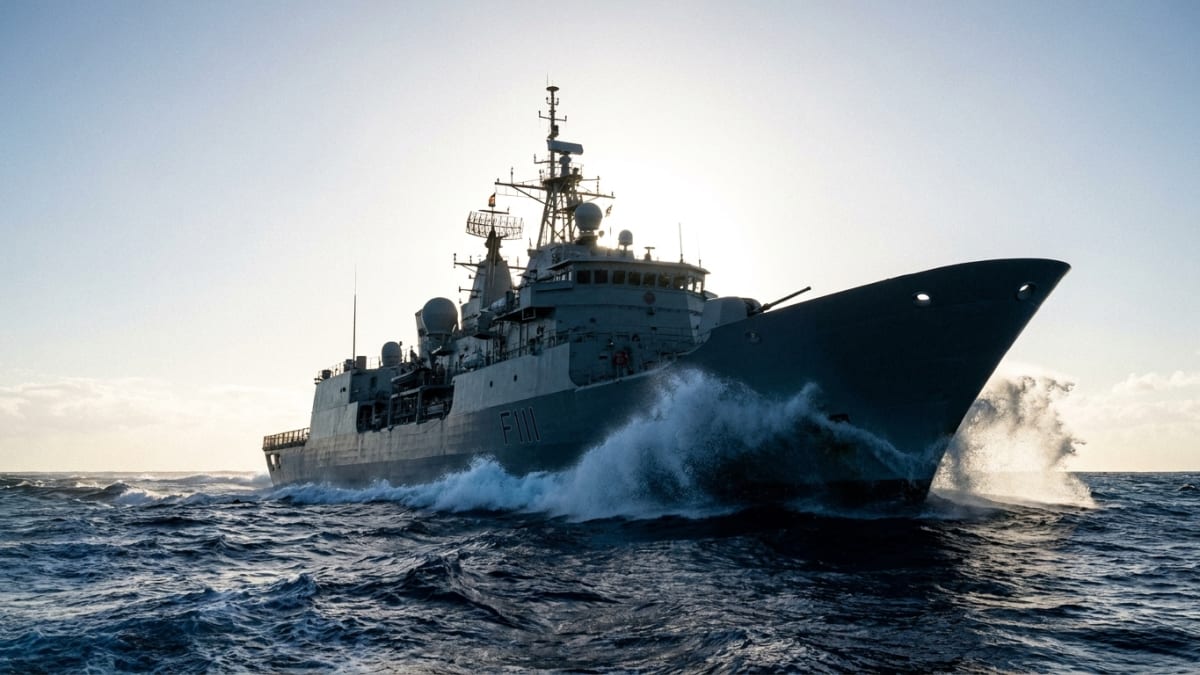
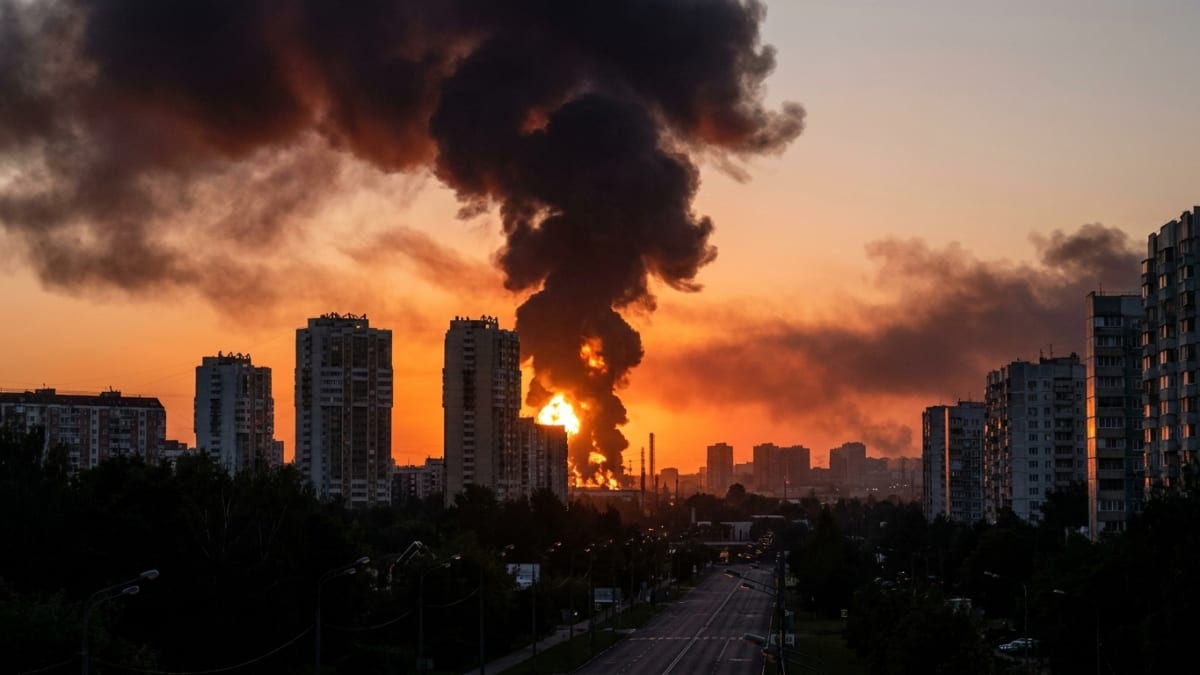
The Strait of Hormuz carries roughly one-fifth of global oil exports and serves as the sole seaborne outlet for several major Gulf producers.[1] Joint US-Israeli strikes on 28 February 2026 triggered retaliatory Iranian restrictions on vessels deemed hostile, and that chokepoint has since been effectively closed, producing sustained spikes in energy prices across global markets.[1]
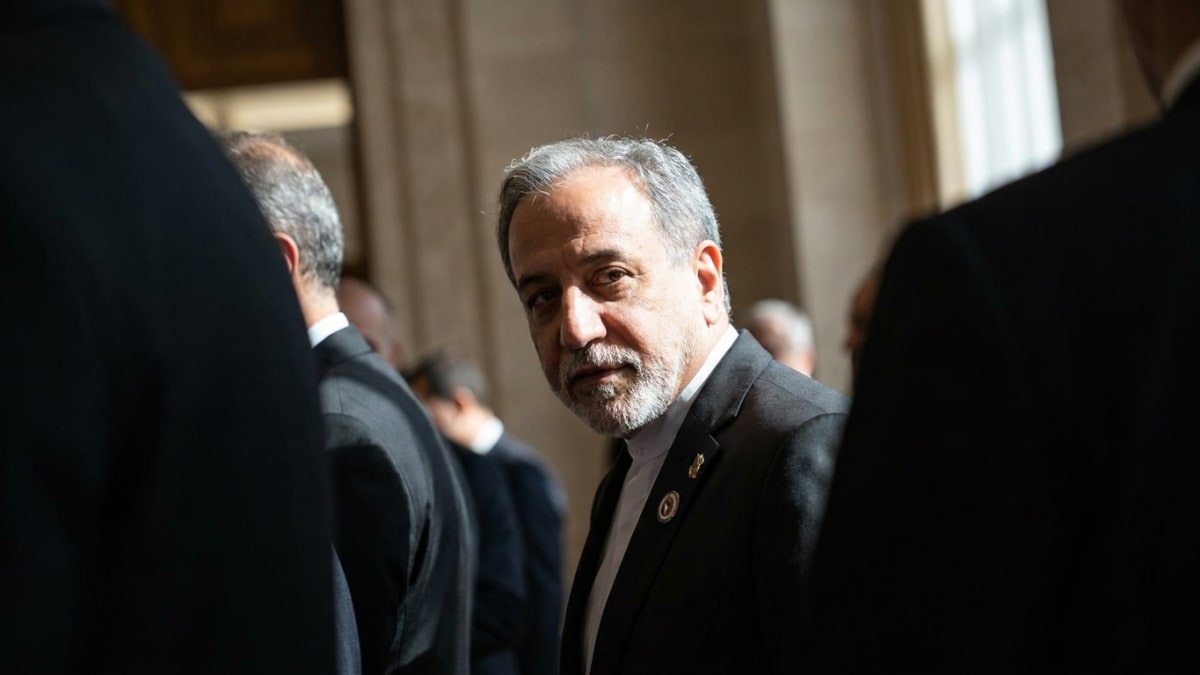
Iranian Foreign Minister Seyed Abbas Araghchi addressed the United Nations on 25 September 2026 with a seven-day roadmap. Iran's conditions, formalised earlier in a UN Security Council letter, were explicit: a permanent cessation of war and the lifting of the naval blockade and sanctions before normal maritime traffic would resume.
Araghchi's proposal tied a return to normal maritime traffic in the Strait of Hormuz to the permanent cessation of the war and the termination of the unlawful blockade and sanctions against Iran.[2] The package put to Washington through Qatari intermediaries also required the return of more than US$12 billion in frozen Iranian funds.
Rejection reported, not confirmed
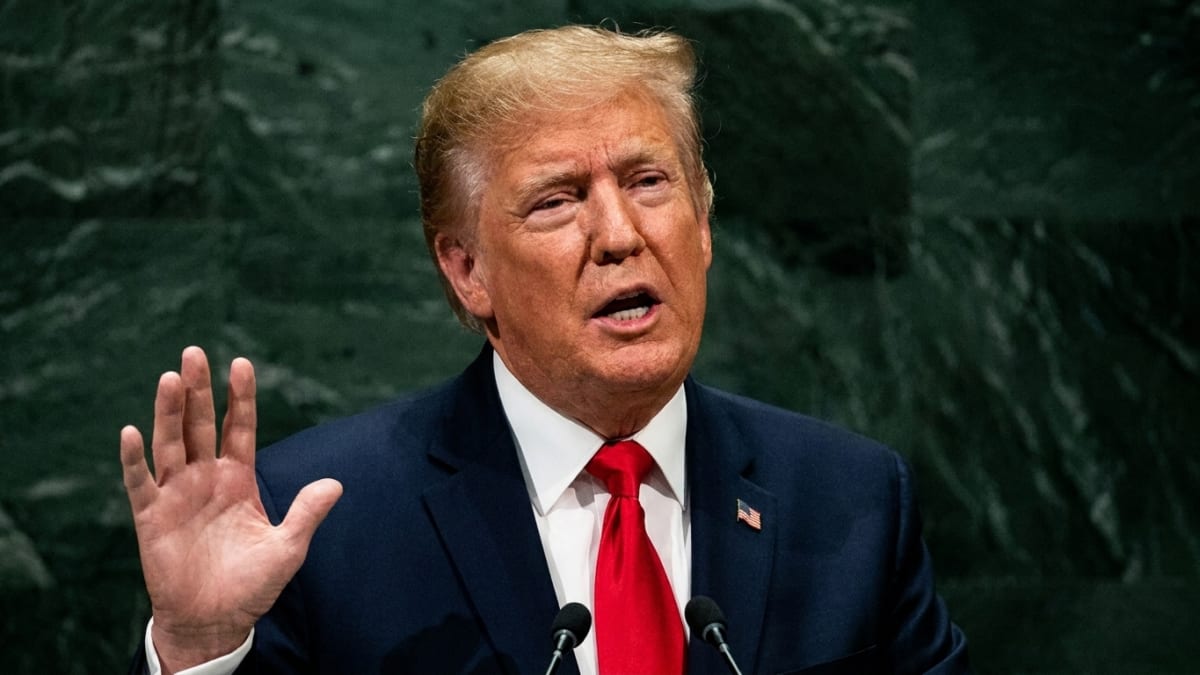
Within hours of Araghchi's address, one outlet reported that Trump privately rejected the plan and expected to resume bombing operations after the November midterm elections. Reuters said it could not independently confirm that rejection. Tehran said it was awaiting a formal US response, placing the diplomatic burden squarely back on Washington.[3]
A US official described talks conducted through mediators as positive, language that echoed the White House's own framing of earlier back-channel contacts.[5] Gulf energy desks and Tokyo commodity traders are left reading the same conflicting signals from Washington.
A deal that already collapsed once
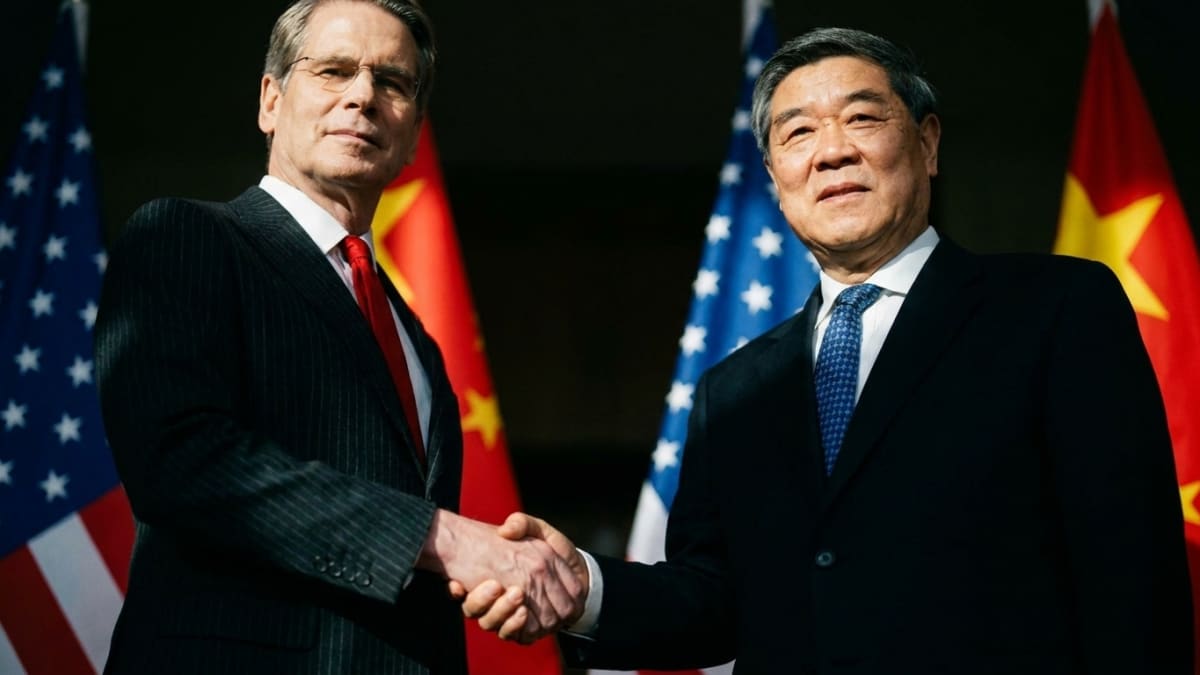
The Hormuz file has one completed agreement on record, and it fell apart. On 19 June 2026, Washington and Tehran electronically signed a memorandum of understanding providing for an immediate and permanent ceasefire, the reopening of the strait and a framework for further negotiations.[4] Qatar's Ministry of Foreign Affairs welcomed the signing, noting that the memorandum addressed the cessation of military operations and ensuring freedom of navigation in the Strait of Hormuz.[4]
That agreement subsequently collapsed. By 24 July 2026, Iran's Chargé d'affaires at the United Nations was again writing to the Security Council, reiterating Tehran's offer to reopen the strait within seven days pending US acceptance of its conditions, the same structure as the September proposal.[6] Qatar, which witnessed both the June memorandum and the collapse that followed, remains the key intermediary.
The regional read
Iran has now placed the same seven-day reopening offer before the Security Council twice since July, with conditions unchanged each time.[6] For energy importers from Osaka to Shanghai, the repetition of the formula and Washington's failure to give a public answer either time functions as its own market signal, with Brent crude's forward curve pricing the blockade as durable rather than temporary.
The June 2026 memorandum of understanding, signed electronically by both governments and witnessed by Qatar, was the one moment the strait appeared close to reopening.[4] Its collapse reset the clock, and the reported internal White House timeline explicitly names the US midterm election cycle as the precondition for resumed military action.
KEY TAKEAWAYS
SOURCES & CITATIONS
- Iran restricts Hormuz passage after US-Israeli strikes
- UN Security Council letter S/2026/389, Iran's Hormuz proposal
- Reuters: Iran awaits US move after report Trump rejects peace plan
- White House: President Trump's Iran agreement
- White House statement on Witkoff, Araghchi Muscat talks
- UN Security Council letter S/2026/610, Iran reiterates seven-day offer
FREQUENTLY ASKED QUESTIONS
What conditions did Iran set for reopening the Strait of Hormuz?
Has the US and Iran reached any agreement on the strait before?
Why does the Strait of Hormuz matter to Australia and the Asia-Pacific?
Simon Wu writes about Asia-Pacific markets and China's economy. He reads the Chinese-language financial press closely and looks for the stories that reach Australia before anyone here notices.