
TLDR
Washington is preparing sweeping institutional sanctions against the International Criminal Court, including a near-total ban on US transactions with the court after a grace period of six to seven months. The move escalates existing pressure on the ICC to drop arrest warrants for Israeli Prime Minister Benjamin Netanyahu and former defence minister Yoav Gallant.
The institution itself is now the target
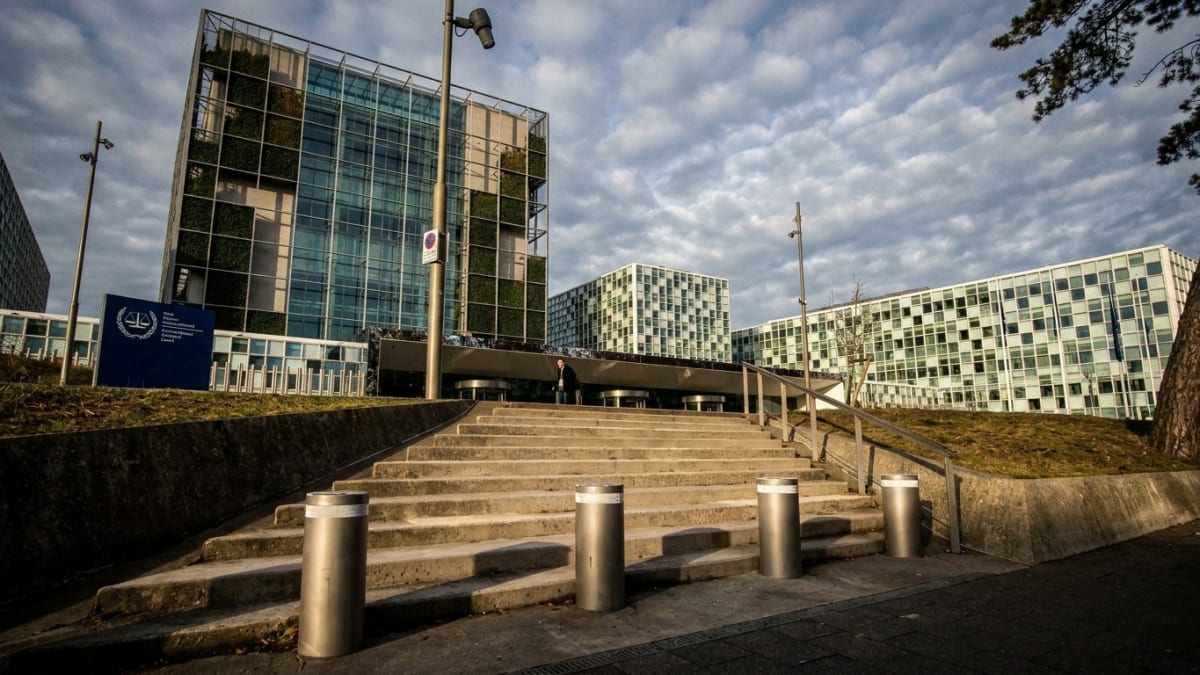
American sanctions policy has a recognisable grammar: it begins with individuals, moves to entities, and reaches institutions only when patience has expired entirely. The Trump administration appears to have arrived at that final stage with the International Criminal Court. Having spent the better part of two years designating judges, prosecutors and court officers, Washington is now preparing to sanction the ICC as an institution, a move that would prohibit most American transactions with the court and require Treasury licences for any financial or material support.
The planned measures would take effect after a grace period of six to seven months. The International Criminal Court, Related Sanctions program, codified in 31 CFR Part 528, already prohibits most transactions with the ICC and blocks property and interests in property of the court.[1] What is now being readied would formalise and deepen that architecture considerably.
A long escalation, now reaching its terminus
The Trump administration's hostility to the court has a documented genealogy. On 2 September 2020, the Treasury's Office of Foreign Assets Control designated ICC Prosecutor Fatou Bensouda and Head of Jurisdiction Phakiso Mochochoko under Executive Order 13928, targeting their pursuit of investigations into US personnel in Afghanistan.[2] President Biden revoked those sanctions in 2021. President Trump reinstated the framework upon returning to office and expanded it considerably.
Executive Order 14203, signed on 6 February 2025, prohibited any transaction that evades or violates sanctions against the ICC and barred US persons from providing funds, goods, or services to the court without a licence.[3] The order said in plain terms that the ICC had "further abused its power by issuing baseless arrest warrants" against Netanyahu and former defence minister Yoav Gallant.[3]
Individual designations followed at regular intervals. On 27 May 2026, OFAC added ICC Deputy Prosecutor Francesca Paola Albanese to its Specially Designated Nationals List.[4] On 18 August 2026, Secretary of State Marco Rubio designated ICC President Tomoko Akane and Senior Trial Lawyer Abdoulaye Seye for having "directly engaged in efforts by the ICC to investigate, arrest, detain, or prosecute" officials whose governments had not consented to the court's jurisdiction.[5] Nine of the court's 18 judges now appear on the sanctions list, alongside both deputy prosecutors and the court's own president.
What Washington is demanding
Pre-Trial Chamber I of the ICC issued warrants of arrest for Israeli Prime Minister Benjamin Netanyahu and former Defence Minister Yoav Gallant on 21 November 2024.[6] Washington is demanding the court drop those warrants and close its Afghanistan investigation before any sanctions relief is considered. The United States is not a party to the Rome Statute and has consistently rejected the ICC's claim of jurisdiction over nationals of non-states parties.
Secretary of State Rubio has said the administration's position without diplomatic softening, saying the International Criminal Court (ICC) is "a corrupt and fatally politicized supranational court that has maliciously abused its authority and exceeded its mandate" and that the United States "will not tolerate its assault on state sovereignty."[7]
Earlier legislative groundwork pointed in the same direction. A Statement of Administration Policy on H.R.8282 said the administration was exploring sanctions targeting the court as an institution, including prohibiting transactions and requiring licences for any support, the very measures now being finalised.[8]
What it means beyond Washington
Institutional sanctions, once active, will create compliance headaches well beyond American borders. Australia is a Rome Statute member state, and Australian universities, legal bodies and government agencies that transact with the court, whether paying membership fees, funding programmes or hosting staff, will need to assess whether those dealings require Treasury licences under the US framework, particularly where dollar-denominated transactions or US-domiciled financial institutions are involved.
The administration has set a six to seven month grace period before the transaction ban takes full effect, giving institutions time to restructure arrangements. The OFAC sanctions program governing ICC-related transactions took its most recent formal shape as of 18 August 2026.[1]
KEY TAKEAWAYS
SOURCES & CITATIONS
- ICC-Related Sanctions Program, OFAC
- OFAC Recent Action, Bensouda and Mochochoko designations, September 2020
- Executive Order 14203, Imposing Sanctions on the ICC, White House
- OFAC Recent Action, Albanese designation, May 2026
- OFAC Recent Action, Akane and Seye designations, August 2026
- ICC Pre-Trial Chamber I, Netanyahu and Gallant warrants
- Rubio statement on ICC sanctions
- Statement of Administration Policy, H.R.8282, White House
FREQUENTLY ASKED QUESTIONS
What would the planned ICC institutional sanctions actually prohibit?
Why is the Trump administration targeting the ICC?
Could Australian institutions be affected?
Margaret Hale writes about politics, policy and the culture of business. She is drawn to the people behind decisions and to the moments when a political story turns out to be a human one.