TLDR
Iran's Basij Organisation deputy has promised footage of Supreme Leader Mojtaba Khamenei appearing in public and meeting military commanders will be released, ending five months of complete public silence. The pledge comes as Tehran presses new conditions for Hormuz transit, raising the cost of any perceived leadership weakness.
A promise, not a proof
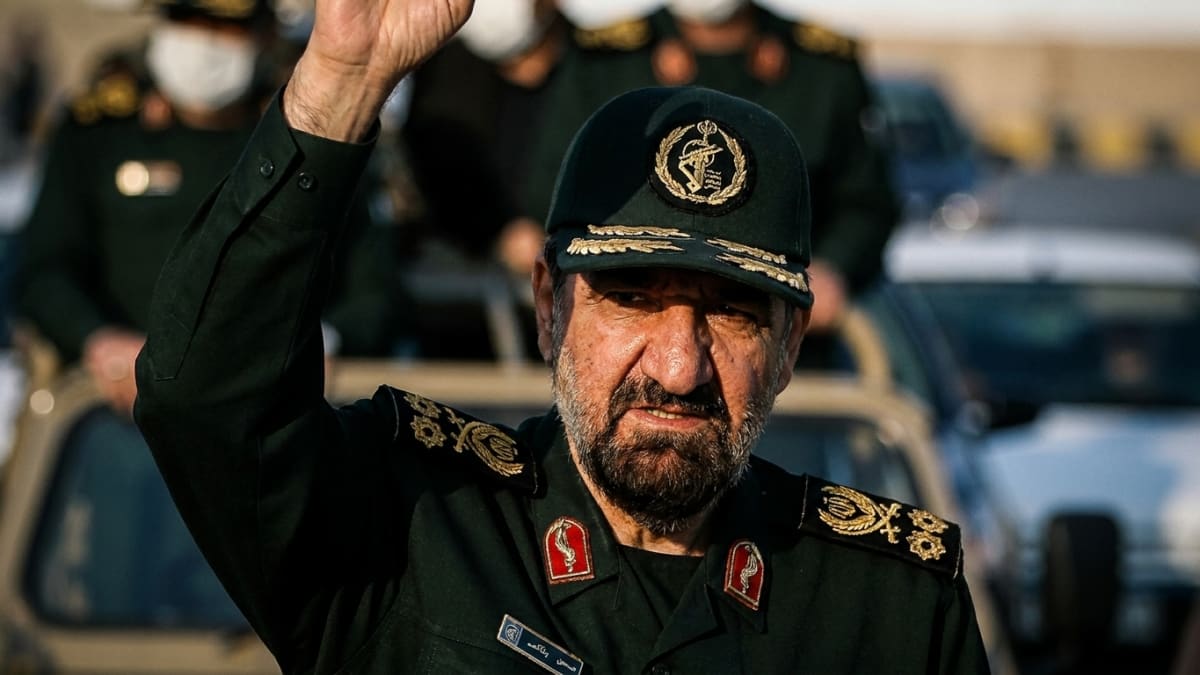
When a state chooses to answer doubt, the method matters. Tehran's answer is a pledge that footage is coming, rather than a press conference or a verified medical record. Basij Organisation deputy Qasem Qoraishi told state outlet Mizan that footage will show Khamenei among the people and out in the streets, as well as in meetings with the commanders of the armed forces.[1] No date was given. No clip accompanied the announcement.
The statement is the closest Tehran has come to publicly acknowledging that Khamenei's visibility is even a question. Its very existence is the admission.
Five months behind closed doors
The Assembly of Experts appointed Mojtaba Khamenei as Supreme Leader on 8 March 2026[2], and in the five months since, Khamenei has not appeared in any publicly verified setting.[1] For a position whose authority rests partly on ritual visibility, the ceremonial reviews, the congregational addresses, the carefully framed meetings with senior clerics, that absence carries weight.
The single documented contact between Khamenei and a sitting government official comes through the office of the Supreme Leader itself, which confirmed that President Masoud Pezeshkian met Khamenei at the start of his third year in the presidency.[4] The statement offered no image and no detail of Khamenei's condition. A meeting took place; that is the entirety of what was confirmed.
The February strike and what it left behind
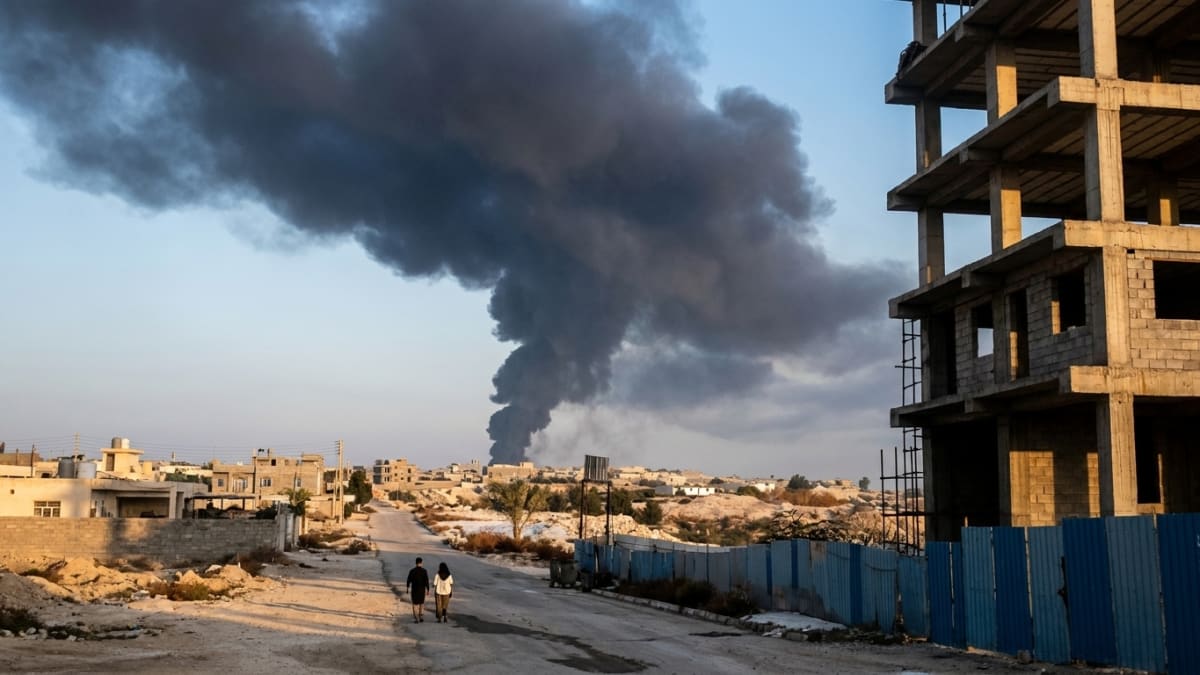
The reason for the absence, as Iranian state sources have framed it, traces to the night of 28 February 2026, when a strike killed his father, former Supreme Leader Ali Khamenei. Senior Iranian sources told state media that Mojtaba Khamenei suffered facial disfigurement and other physical injuries in that strike.[3] The injuries produced a leadership crisis of considerable delicacy: a new Supreme Leader, newly invested with authority, unable or unwilling to be seen.
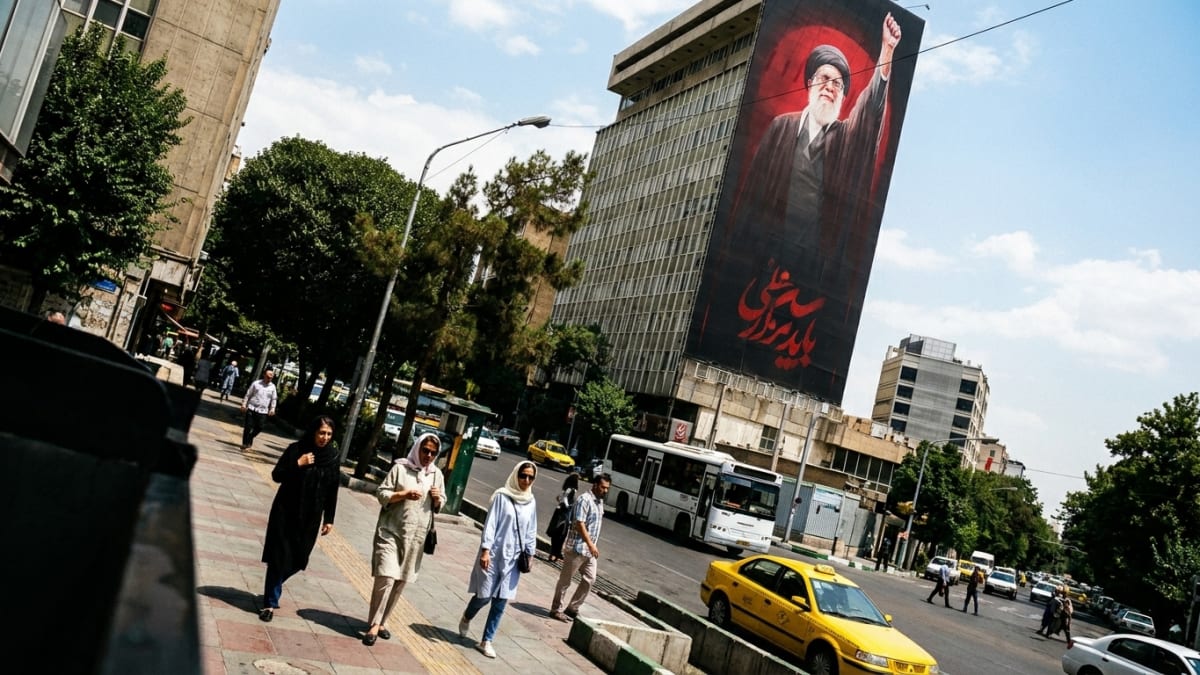
The Islamic Republic has managed such silences before, but rarely at the outset of a reign. Clerical charisma and institutional structure both depend on the leader being visible and in command, and five months of photographs that do not exist, of public events that did not occur, accumulate into something harder to dismiss.
Hormuz and the cost of uncertainty
Qoraishi's announcement did not come in a vacuum. Iran imposed new conditions on transit through the Strait of Hormuz on 12 August, sharpening the focus of every government with vessels or energy interests in the Persian Gulf on the question of who is making decisions in Tehran.[1] The Strait carries a significant portion of global seaborne oil traffic, and the credibility of any Iranian position in negotiations over access depends on the perception that leadership speaks with a single, stable voice.
State media framing around the footage promise makes the intent clear. By publicly pledging images of the Supreme Leader among citizens and alongside military commanders, Tehran is signalling, in advance of the footage itself, that Khamenei is present in both senses: physically capable and politically in command.
What remains unverified
Every piece of information about Mojtaba Khamenei's current condition, from the original reports of injury to Qoraishi's promise of forthcoming footage, originates within Iranian state media. No independent journalist has spoken with him. No international health authority or neutral observer has confirmed the nature or extent of his injuries, and no timeline for the release of footage has been given.[1]
The office of the Supreme Leader's confirmation that President Pezeshkian met with Khamenei is the strongest piece of publicly available evidence that Khamenei is alive and conducting some form of governance.[4] It does not address his capacity, his visibility, or whether the terms of that meeting were in any sense conventional.
Qoraishi's statement to Mizan carries its own internal logic: the deputy of a paramilitary organisation founded on loyalty to the Supreme Leader has institutional reasons to assert that the Supreme Leader is well and in command.[1] That does not make the assertion false. It does make it impossible to treat as independent corroboration.
The signal and its limits
States that need to prove continuity by announcing they will prove it are, by definition, already making a case. Qoraishi's promise is a response to a perception problem of sufficient weight that the Basij Organisation decided a public statement was warranted. Until the images exist and can be assessed, the promise and the doubt coexist, five months after Khamenei took a role that was never going to be straightforward to inherit.
KEY TAKEAWAYS
SOURCES & CITATIONS
FREQUENTLY ASKED QUESTIONS