TLDR
Iran's new security chief Mohsen Rezaei says the Strait of Hormuz stays closed until the US ends regional hostilities, releases frozen Iranian assets and agrees a ceasefire. Tanker crossings have collapsed to a fraction of pre-war levels, pushing Brent crude toward US$89 a barrel.
Rezaei's three conditions: what Iran is demanding before any reopening
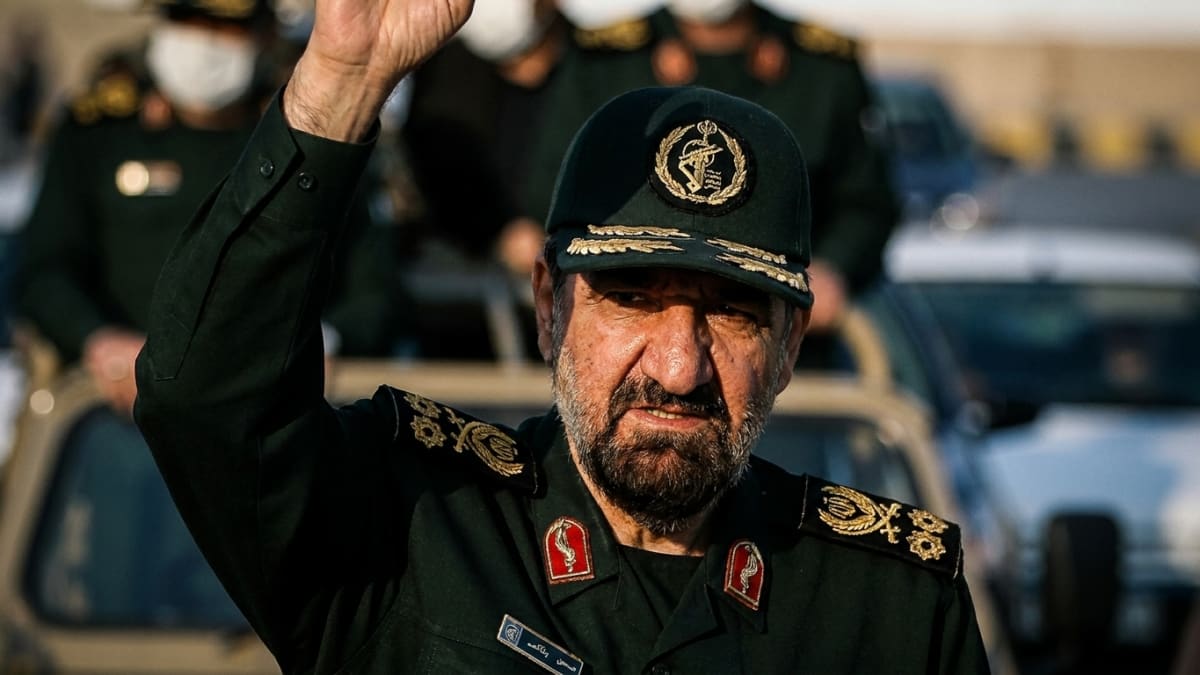
Mohsen Rezaei did not arrive at his new post speaking the language of negotiating positions. Supreme Leader Mojtaba Khamenei appointed Rezaei as secretary of Iran's Supreme National Security Council on 9 August 2026, giving him immediate authority over the most consequential waterway on earth.[1] Within hours, Rezaei had said the terms plainly: the Strait of Hormuz will not reopen until the United States ends its regional hostilities, releases frozen Iranian assets, and agrees to a region-wide ceasefire.[2]
Rezaei said that as long as America does not change its behaviour and does not accept Iran's conditions, the Strait of Hormuz will not be opened.[2] Each of the three conditions carries its own diplomatic weight: the frozen-assets demand reaches into years of US sanctions enforcement, while the ceasefire condition implicates the wider regional architecture, including Lebanon, where Israeli operations have been a particular Iranian grievance.
What Rezaei is describing is a sequence, not a negotiation. American concessions come first; reopening comes second. That ordering forecloses the middle ground diplomats usually occupy, the simultaneous gestures and face-saving ambiguities, and makes the path to resolution both explicit and narrow.
Oman shipping-lane talks are not a reopening, Iran insists
Rezaei was direct about one persistent misreading: the Iran-Oman shipping-lane talks are not a sign that a broader resolution is near. The Oman discussions, which Rezaei confirmed are at an advanced stage, concern a separate managed corridor arrangement and have nothing to do with reopening the strait proper.[3]
Since the February 2026 conflict began, shipping has migrated onto alternative Iranian and Omani routes outside the IMO traffic-separation scheme. An Oman arrangement would formalise and perhaps expand that corridor without touching the underlying closure of the strait itself.
Tehran's insistence on keeping the two tracks separate serves a clear strategic purpose. Some commercial traffic keeps moving, relieving the most acute humanitarian and economic pressures, while the strait's closure remains a live political lever, one Iran has no intention of surrendering cheaply.
Trump's counter-demands and the US Navy control claim
The American response has done little to narrow the gap. President Donald Trump, speaking in late July, added his own precondition: Iran must pay war-damage compensation before any reopening is on the table.[4] Trump offered no figure and no mechanism, which may be the point; the demand functions less as a negotiating ask than as a rhetorical claim of leverage.
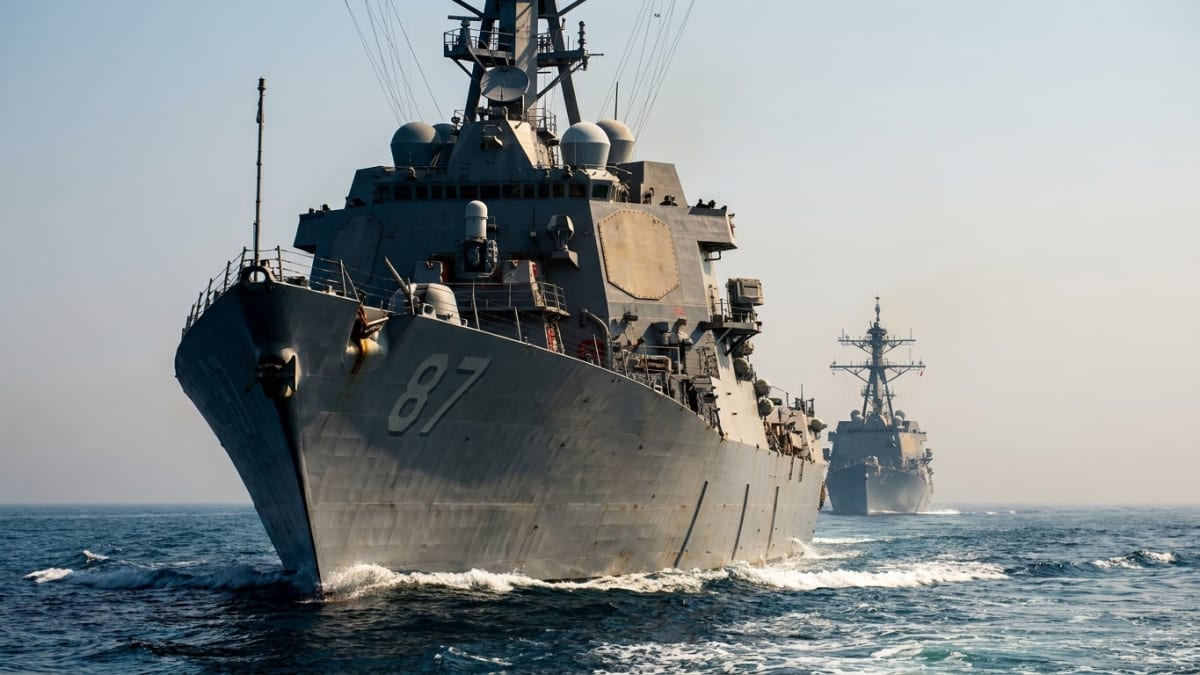
Trump said the US has a blockade in place, that only ships the US wants to get through get through, and that Iran does not control the strait but the US does.[4] The vessel-tracking data, examined below, complicate that claim considerably. What is moving through the strait is not principally a function of US Navy discretion; it reflects how few ships are attempting the crossing at all.
Both leaders are, in effect, demanding payment before the other moves. Rezaei sets American concessions as a precondition; Trump sets Iranian compensation as a precondition. The structural result is a stalemate dressed in the language of negotiation.
Tanker traffic and oil-flow data: how blocked the strait actually is
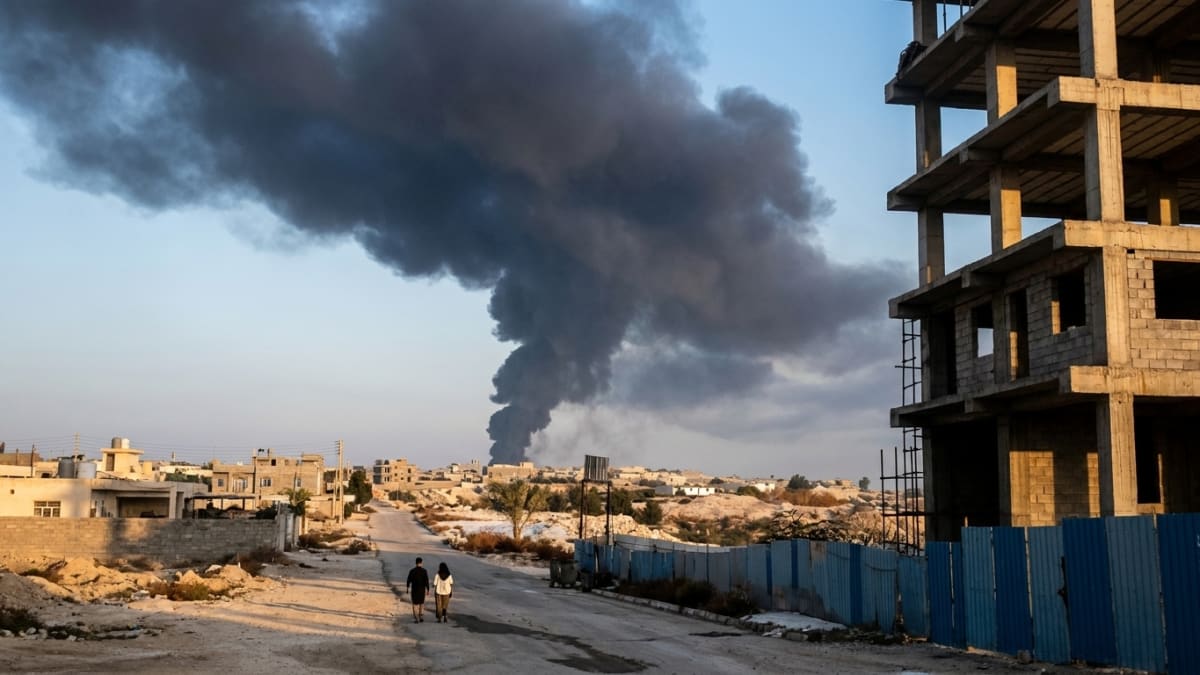
Kpler vessel-tracking data show tanker crossings through the strait fell from a pre-conflict average of 138 per day to just 32 on 24 June 2026, with weekend figures recording as few as six confirmed crossings in a single day.[5] Six crossings against a baseline of 138 is a collapse of more than ninety-five per cent of normal traffic.
The volume picture is starker still. Before the February conflict, the strait carried roughly one-fifth of all globally traded seaborne oil, approximately 20 million barrels per day. IEA data show flows through the strait averaged just 2.7 million barrels per day across the March to May 2026 period, a reduction of more than eighty-six per cent from the pre-war baseline.[6]
Alternative routes exist: longer voyages around the Arabian Peninsula, pipeline diversions, accelerated drawdowns of strategic reserves. None of them replaces the strait's throughput at anything approaching normal cost or speed. The gap between what moved before and what moves now is being absorbed by consumers through price.
Market reaction: Brent, WTI, equities and the Fed-hike overhang
Energy markets have been doing the arithmetic with some precision. EIA spot-price data for the week ending 5 August 2026 put Brent crude at US$88.90 per barrel and West Texas Intermediate at US$81.96.[7] Both benchmarks recorded gains of roughly five per cent across Monday's session, bringing Brent within reach of the US$89 threshold that analysts have identified as a likely trigger for renewed demand-destruction concern in import-dependent economies.
ING's commodities desk flagged the risks as skewed to the upside from current levels, a view consistent with Rezaei's explicit statement that no reopening is imminent. If the three conditions remain unmet, and nothing in Trump's public posture suggests movement on any of them, the supply constraint is structural rather than transient.
The equity reaction was more contained but pointed in the same direction. The S&P 500 fell 0.38 per cent and the Nasdaq shed 0.79 per cent on Monday, with the Hormuz news compounding revived speculation about a September Federal Reserve rate rise. An oil shock alongside a tightening central bank limits the Fed's capacity to absorb growth damage by easing, even as the energy price lifts headline inflation.
For the Australian economy, which sits downstream of both Asian manufacturing demand and global shipping cost indices, a sustained Brent position near US$89 will arrive at the forecourt within weeks, carrying with it every input cost that depends on freight. Rezaei's three conditions remain publicly unmet as of 9 August 2026.
KEY TAKEAWAYS
SOURCES & CITATIONS
- Iran Update: Special Report, August 9 2026
- Tasnim News: Hormuz Strait won't reopen unless Israel is restrained in Lebanon
- Tasnim News: Iran-Oman talks have nothing to do with US
- White House: President Trump Fox and Friends Transcript, 28 July 2026
- Kpler: Strait of Hormuz Tanker Crossing Data, June 2026
- IEA: Global Oil Supplies Adjusted to Hormuz Shock
- EIA: Petroleum and Other Liquids Spot Prices
FREQUENTLY ASKED QUESTIONS
What are Iran's three conditions for reopening the Strait of Hormuz?
How much oil normally passes through the Strait of Hormuz?
Do the Iran-Oman shipping talks mean the strait is about to reopen?
What is the current oil price?
Important
This article contains general information about commodity prices and market movements. It is not financial advice. Before making any investment decisions, consult a licensed financial adviser.