
TLDR
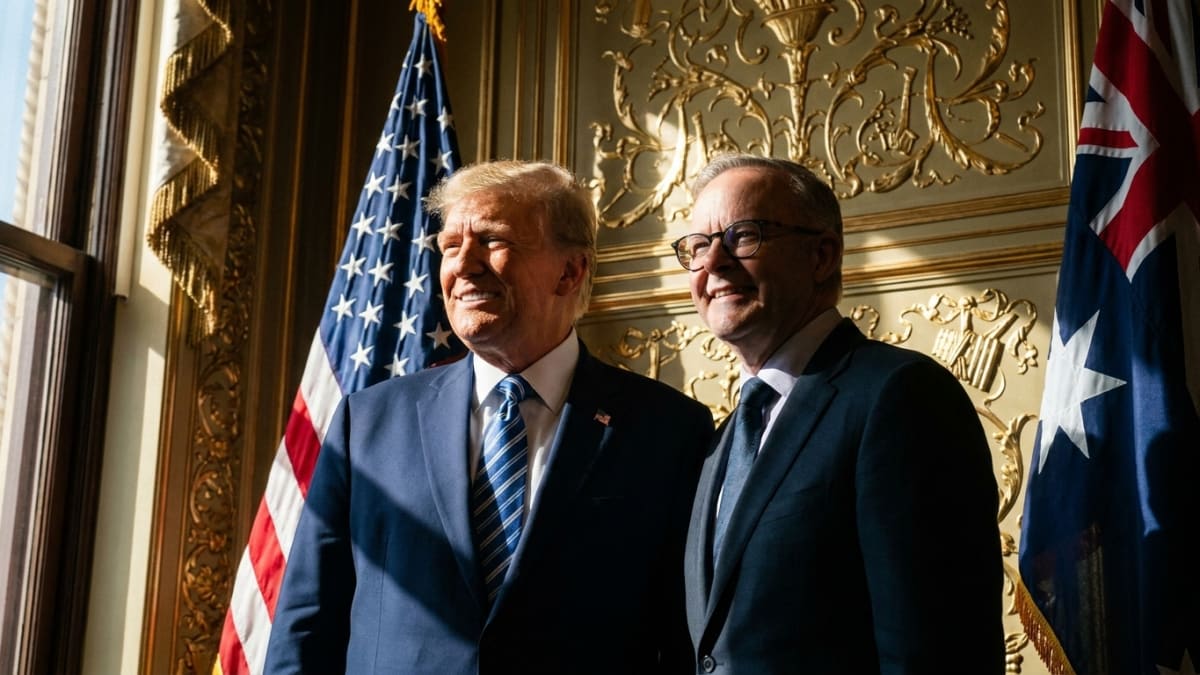
The Trump administration warned that Australia's draft Digital Duty of Care Bill could become a tool for viewpoint-based censorship, urging exemptions for US platforms. Prime Minister Albanese rejected the framing, saying the law returns control to users. The bill would require platforms to offer algorithm opt-outs and expand the eSafety Commissioner's removal powers.
Washington intervenes on the last day of consultation
Timing, in diplomacy, is rarely accidental. The US government chose 22 September 2026, the final day of Australia's public consultation period, to post its objection to the draft Online Safety Amendment (Digital Duty of Care) Bill 2026 on the US Embassy's website in Canberra. The message was not subtle. The US government warned that a framework empowering governments to enforce vague definitions of 'harm' risks becoming a mechanism for viewpoint-based censorship, and called for US-headquartered platforms to be exempted from its requirements.[1]
The statement argued that vague harm definitions create a structural incentive for self-censorship. "Platforms will be incentivised to over-moderate speech that should be protected to avoid regulatory penalties," the US Embassy statement said.[1] The concern lands differently when the platforms in question are American and their lobbying governments have begun to read online safety regulation as trade policy conducted under a more palatable name.
We're making sure technology works for Australians. Not the other way around.
20 September 2026 · View on XAlbanese in New York
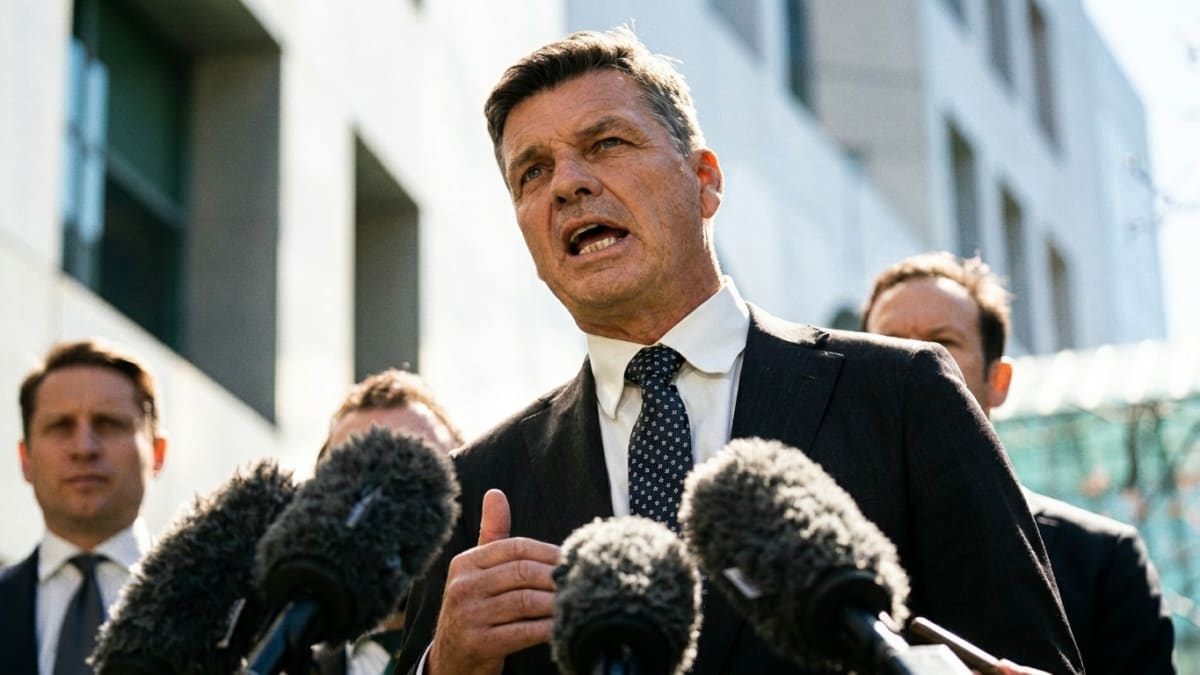
Speaking at a doorstop in New York on 23 September 2026, the day after the embassy statement appeared, Prime Minister Anthony Albanese offered a direct rebuttal. "It's not about giving government control, it's about giving people back control over what they receive on their devices," Albanese said.[5] The framing was deliberate: user empowerment rather than state intervention, design accountability rather than content policing.
Albanese will need to sustain that distinction as the bill moves through parliament. The two positions are not obviously incompatible, but they pull against each other the moment a regulator is asked to define which harms justify action and which speech remains lawful.
It's a belief @tim_cook, and I share. Today at Apple HQ, we spoke about what we're doing to protect children from online harm and the work ahead.
20 September 2026 · View on XWhat the draft bill does
The Australian Government released the exposure draft on 8 September 2026, opening a two-week consultation window.[2] The bill's centrepiece is a due diligence obligation: platforms must assess foreseeable harms, report transparently, and provide user empowerment tools. Under clause 26(3) of the exposure draft, online service providers must give users tools to manage algorithmic recommendation feeds, including the ability to switch them off entirely.[3]
Section 25D of the draft defines material harmful to children to include pornography, content encouraging disordered eating, hostile attitudes towards women or gender equality, glorification of crime, and abuse, harassment or bullying.[3] Each category carries intuitive public support. The friction arrives at the edges: who decides when an attitude is sufficiently hostile, or when a discussion of gender equality tips into regulated territory.
Schedule 1 of the draft extends the eSafety Commissioner's removal notice powers under a proposed section 86B. Providers would face penalties of 6,000 penalty units for failing to act within 24 hours of receiving such a notice.[3] Those notices issue without prior judicial oversight, a feature critics have consistently flagged across successive iterations of Australia's online safety framework.
The civil-liberties case against vague definitions
The Canberra Declaration, a civil-society organisation focused on religious and political freedoms, submitted to the consultation on 24 September 2026. Its submission warned that the bill's open-ended definition of harm and the scope of ministerial discretion could extend regulation to lawful political and religious speech.[4] The concern follows a familiar pattern in Australian online safety law: categories drafted broadly to catch genuine harm become instruments capable of reaching expression that most citizens would consider ordinary civic debate.
The removal notice regime sits at the centre of that concern. A notice requiring takedown within 24 hours, issued by a statutory official without a court order, concentrates significant power over public discourse in a single administrative office. Platforms facing that deadline and a 6,000-unit penalty have every incentive to remove first and seek clarification later, which is precisely the over-moderation dynamic the US Embassy statement described.[1]
That the criticism arrives simultaneously from a foreign government protecting its own commercial interests and from domestic civil liberties advocates protecting speech does not make either argument wrong. It does complicate the government's task as it weighs the submissions and moves the bill toward its final form, with the consultation period having closed on 22 September 2026.
KEY TAKEAWAYS
SOURCES & CITATIONS
- US Government response to the Australian consultation on the Digital Duty of Care Bill 2026
- Exposure draft: Online Safety Amendment (Digital Duty of Care) Bill 2026, Department of Infrastructure
- Exposure draft PDF, Online Safety Amendment (Digital Duty of Care) Bill 2026
- Canberra Declaration submission on the Digital Duty of Care Bill 2026
- Prime Minister Albanese doorstop, New York, 23 September 2026
FREQUENTLY ASKED QUESTIONS
What is the Digital Duty of Care Bill 2026?
Why did the US government object to the bill?
What did Prime Minister Albanese say in response?
What are the concerns from Australian civil-liberties groups?
Margaret Hale writes about politics, policy and the culture of business. She is drawn to the people behind decisions and to the moments when a political story turns out to be a human one.