TLDR
David Shoebridge won the Australian Greens leadership on 30 September, defeating Mehreen Faruqi seven votes to four in the party's first ever contested ballot. Steph Hodgins-May was elected deputy. Faruqi immediately called for future votes to include all members under a one member, one vote system.
The first contested ballot
The Australian Greens held their first ever contested leadership ballot on 30 September 2026, and the result arrived with the brisk finality that consensus had always forestalled. Senator David Shoebridge and Senator Steph Hodgins-May were elected Leader and Deputy Leader at a party room meeting on 30 September 2026.[1]
The contest was triggered two days earlier when Senator Larissa Waters stepped down. Waters stood aside on 28 September 2026 to prioritise treating a chronic kidney disease.[3] Three senators moved quickly to fill the vacancy she left behind.
The ballot and how it unfolded
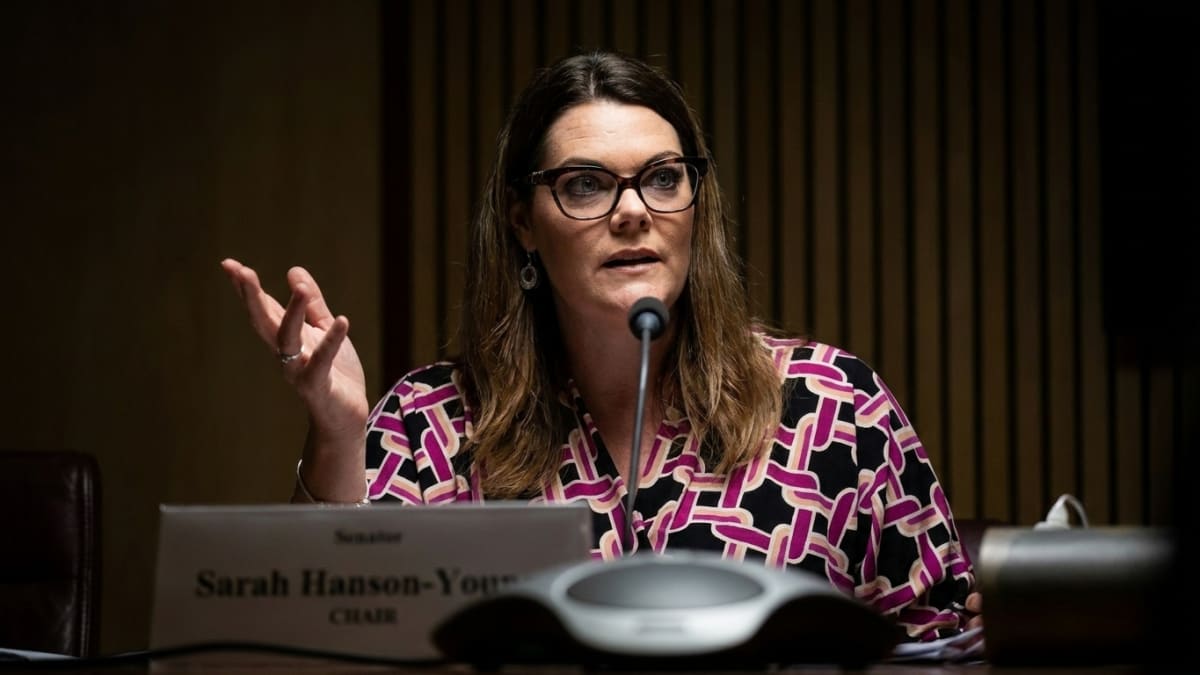
Three candidates entered: Shoebridge, outgoing Deputy Leader Mehreen Faruqi, and Senator Sarah Hanson-Young. The vote ran across two rounds, with Hanson-Young eliminated in the first after receiving two votes. In the final round, Shoebridge defeated Faruqi seven votes to four.[2]
Hodgins-May won the deputy contest with six votes, ahead of Vanessa Bleyer on three and Jordon Steele-John on two.[2]
Shoebridge's opening pitch
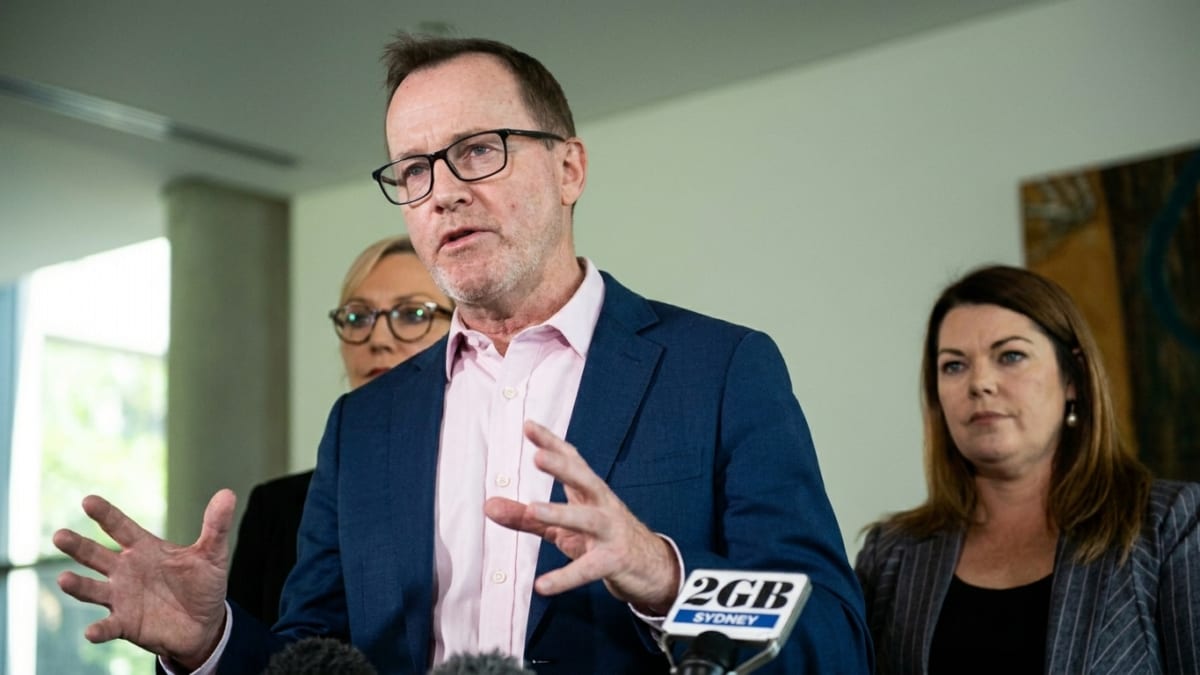
Shoebridge, a former barrister and long-time NSW Greens figure known for pursuing corporate transparency, wasted little time sharpening the party's position. "We are not here to manage a broken system. We are here to replace it," he said in the party's post-ballot release.[1] The language of replacement rather than negotiation marks a deliberate hardening of posture toward the Albanese government.
Hodgins-May, a former lawyer who has led campaigns against fossil fuel interests and for universal childcare, matched the register. "We're not here to reform Labor, we're here to replace them," she said.[1] Shoebridge also named One Nation as a specific target, saying the Greens were here to beat down One Nation alongside their said ambition to displace Labor.[4]
Faruqi's challenge to the new leadership
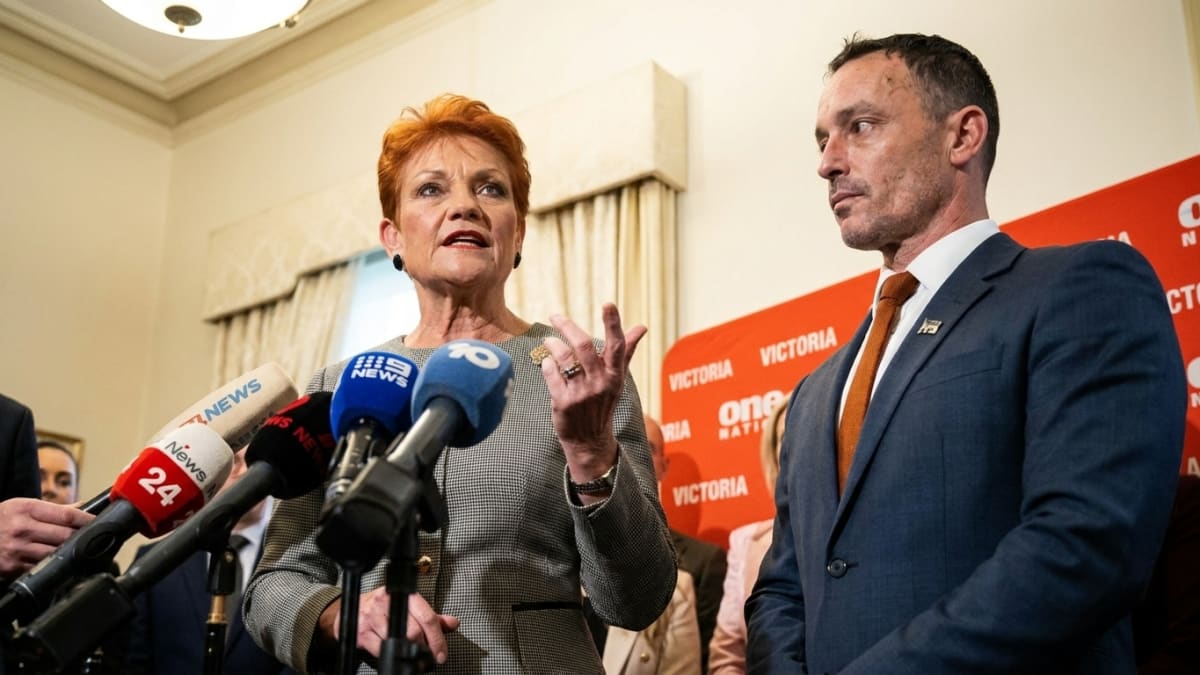
Faruqi, outgoing deputy and a senator for NSW, did not exit quietly. She used the moment to press a structural question the ballot itself had made unavoidable. "Without a member vote, we cannot call ourselves a grassroots party. I call on the new leadership team to set a timeline for one member, one vote," she said.[2]
The criticism carries weight beyond procedural tidiness. A party that markets itself as the democratic alternative to two-party rule, yet settles its own succession among eleven senators behind closed doors, invites the obvious question about whose grassroots it actually represents. Faruqi's call gives that question a name and a demand: a timeline.
The new Greens leadership faces its first sitting period with both an adversarial pitch toward Labor in the Senate and an unresolved internal question about democratic legitimacy at home. Shoebridge's first opportunity to test the "replace, not manage" line against actual legislation comes when parliament resumes.
KEY TAKEAWAYS
SOURCES & CITATIONS
FREQUENTLY ASKED QUESTIONS
Why was there a contested Greens leadership ballot in 2026?
Who is David Shoebridge?
What did Mehreen Faruqi say after losing the leadership vote?
Margaret Hale writes about politics, policy and the culture of business. She is drawn to the people behind decisions and to the moments when a political story turns out to be a human one.