

TLDR
Angus Taylor announced a Coalition government would cut net overseas migration to 100,000 in its first year, down from the 301,000 recorded by the ABS for the year to December 2025, with future intakes capped at the number of new homes completed each year.
The number and the mechanism
There is a particular ambition in policy announcements that tie one problem to another, as though the act of linkage itself constitutes a solution. Angus Taylor's migration policy has that quality. The Coalition, if elected, would set net overseas migration at 100,000 in its first year of government. In later years the cap would move: a Coalition government would cap net overseas migration at the number of new homes completed each year, linking the intake directly to housing supply for the first time.[1]
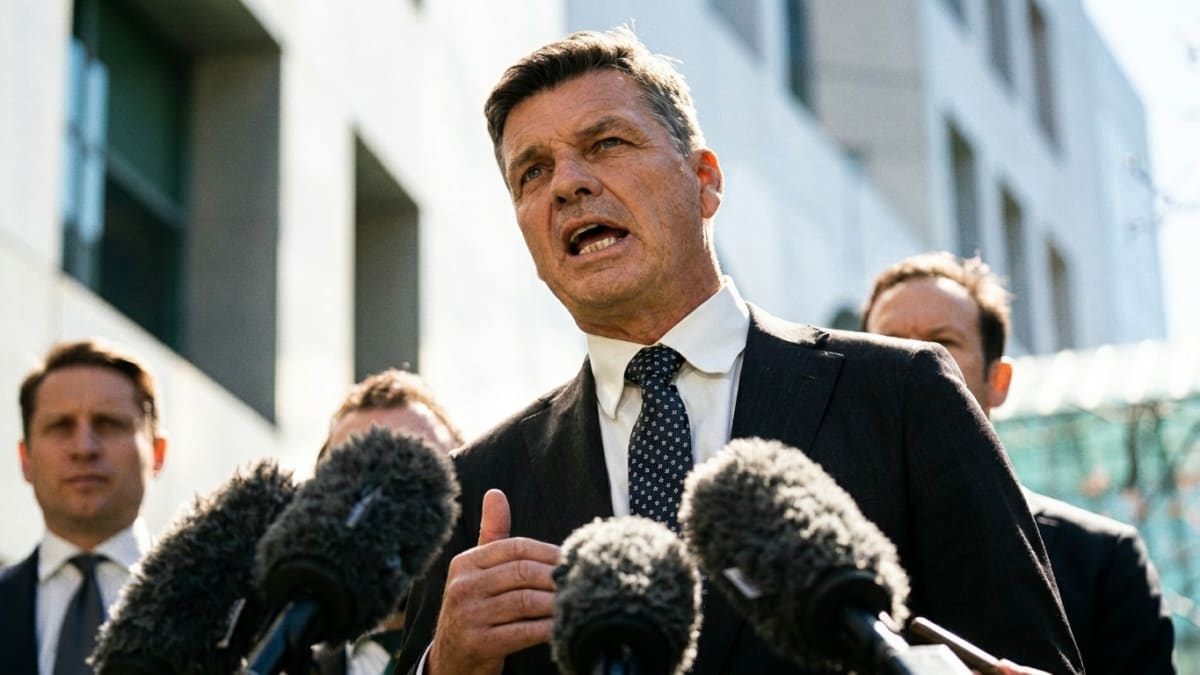
Taylor said at the Sydney press conference that the plan would be the "biggest cut to immigration in the history of the country", reducing the number of temporary visa holders by about 650,000 over four years and taking migration below the levels of the Howard government.[4] "I get it. There's a good reason to be angry," he said of voters' frustration.[4] The appeal is geometric: if supply and demand rise in lockstep, the affordability crisis stops compounding.
What the numbers look like now
Net overseas migration added 301,000 people over the year to 31 December 2025, according to the Australian Bureau of Statistics.[3] The Coalition's proposed first-year figure of 100,000 represents a reduction of roughly two-thirds from that level. Whether the housing-completions mechanism produces a ceiling that rises or falls in subsequent years depends entirely on the construction sector's output, a variable the government of the day cannot directly control.
Visa overstayers and economic modelling
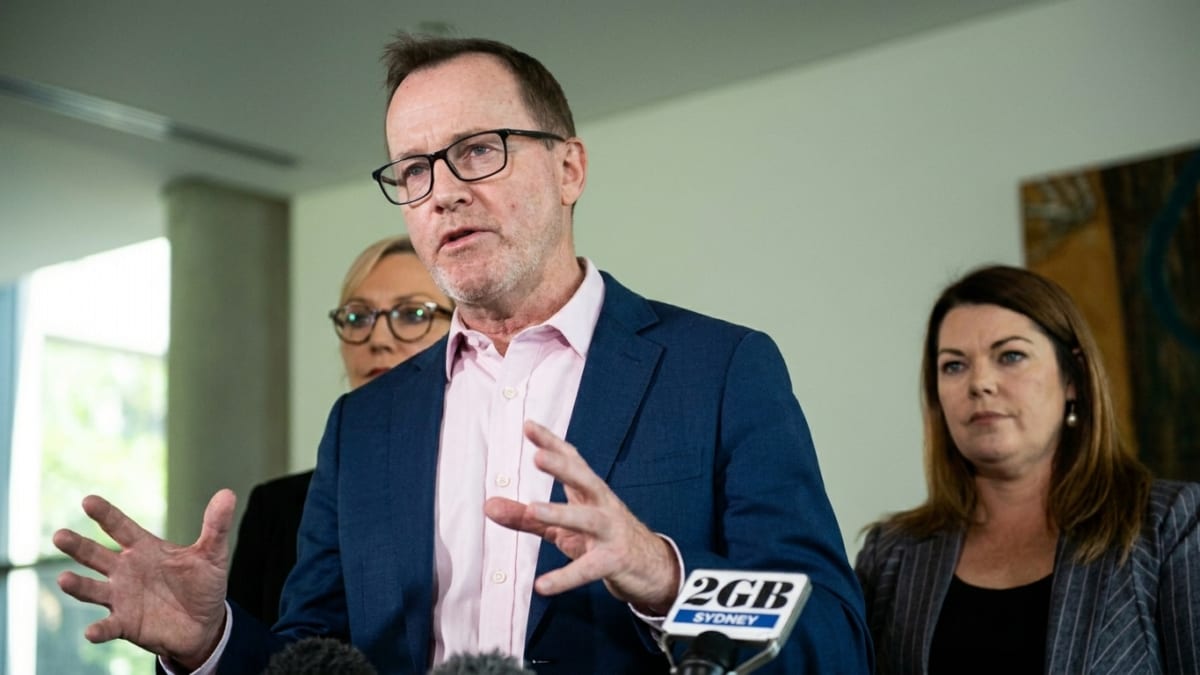
Shadow Home Affairs Minister Jonno Duniam said the Coalition would restore an intelligence function in the Home Affairs department to identify who should not be in Australia, and would target visa overstayers.[4] Shadow Assistant Minister Dave Sharma said earlier in the day that economic modelling would accompany the announcement. Under the plan the permanent migration program stays capped at 185,000 a year, the humanitarian intake falls to 10,000, international student commencements are cut to 240,000 and temporary graduate visas are abolished, Taylor and Duniam said.[4]
Government and crossbench fire back
The government's response was swift and categorical. Veterans' Affairs Minister Matt Keogh said the target would damage public services: "At those sorts of numbers, that is absolutely catastrophic for the Australian economy and the services that Australians rely on."[4] Home Affairs Minister Tony Burke, responding to the Coalition's migration push in April, said: "What matters is who you are, not where you're from, and effectively, if we forget the benefits to our nation and to our economy of having a smart tailored migration system, we end up with fewer homes, we would end up with a health system that would collapse."[5]
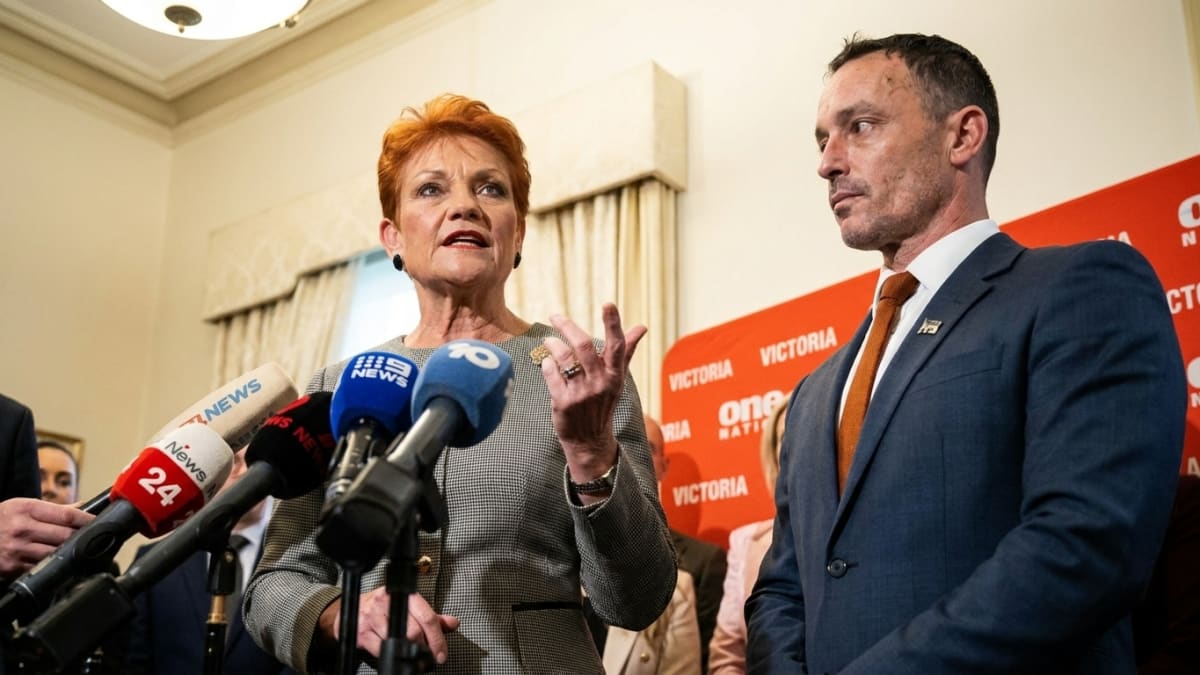
The crossbench delivered a different kind of rebuke. One Nation Leader Pauline Hanson said: "The Coalition has turned up late to the grand final after both teams have headed back to the changerooms, waving a photocopy of One Nation's immigration policy."[4] The accusation of imitation carries its own political logic: if voters associate the policy with One Nation first, the Coalition absorbs the cost without the credit.
The Coalition's economic modelling supporting the 100,000 figure was flagged for release alongside the formal announcement.
KEY TAKEAWAYS
SOURCES & CITATIONS
FREQUENTLY ASKED QUESTIONS
What is the Coalition's proposed net migration cap?
How does that compare with current migration levels?
What did the government say about the proposal?
What was One Nation's reaction?
Margaret Hale writes about politics, policy and the culture of business. She is drawn to the people behind decisions and to the moments when a political story turns out to be a human one.