TLDR
Ukraine sent hundreds of drones into Russia overnight, with Moscow among the targets. Russia claimed 822 destroyed and at least six people killed on Russian soil. Hours later, a Russian missile hit a Kyiv market, killing four and injuring ten.
Eight hundred drones and a burning market
Ukraine unleashed hundreds of drones across Russian territory in what Ukrainian military officials described as the largest coordinated drone strike of 2026, killing at least six people.[1] By nightfall, the exchange had claimed four more lives, civilians at a Kyiv market, struck by a Russian missile.
The operation landed while ceasefire negotiations brokered in Geneva in April remain firmly stalled, and came a week after Ukrainian strikes on Novorossiysk port disrupted operations at key grain export terminals.[1]
The scale of the barrage
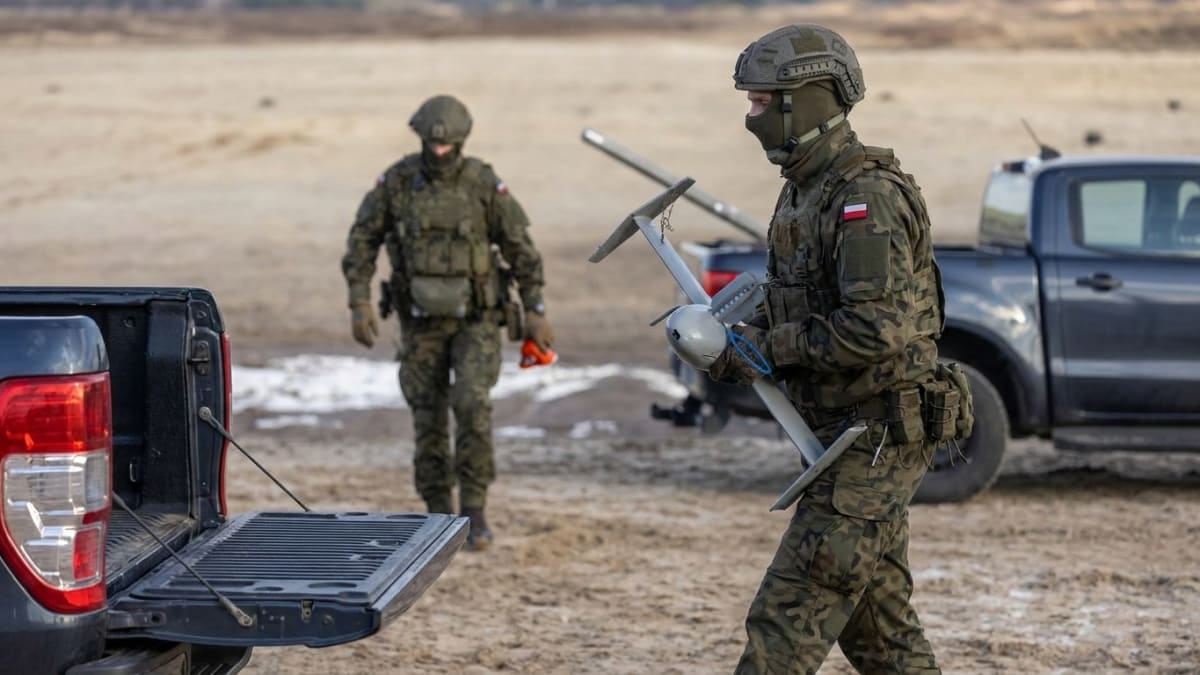
Oleksandr Starukh, spokesperson for the Ukrainian General Staff, said the operation represented the largest coordinated drone strike of the year.[1] Russia's Ministry of Defence claimed its air-defence systems had destroyed 822 Ukrainian drones, a figure that, if accurate, would be the highest single-night interception total of 2026.[2]
Moscow was among the intended targets. Moscow Mayor Sergei Sobyanin reported that some 600 drones had been detected heading toward the capital, prompting the activation of air-defence assets across the city's approach corridors.[2] The density of the attack marked a shift from Ukraine's earlier long-range operations, which had tended to concentrate on southern logistics hubs and Crimean infrastructure.
Six confirmed deaths on Russian territory, acknowledged by Russian officials, suggest the barrage was not entirely absorbed.[1] Interception claims issued by a defence ministry under political pressure carry an evident limitation: the destroyed drones are counted; the ones that found their targets rather less so.
Peskov's warning
Kremlin spokesman Dmitry Peskov responded with language calibrated to signal consequences without specifying them. Peskov said Russia would not tolerate terrorist actions against its civilian population and vowed what he called inevitable and severe consequences.[4] The framing was consistent with Moscow's longstanding practice of characterising Ukrainian strikes on Russian soil as terrorism, a designation that provides political cover for retaliatory operations of expanded scope.
Whether Peskov's warning was a prelude to Sunday evening's events in Kyiv, or whether the Kyiv strike had already been ordered before his statement was issued, is not established by available information. The Kremlin statement came hours before a Russian missile struck one of Kyiv's most densely inhabited districts.
A market, a missile, four dead
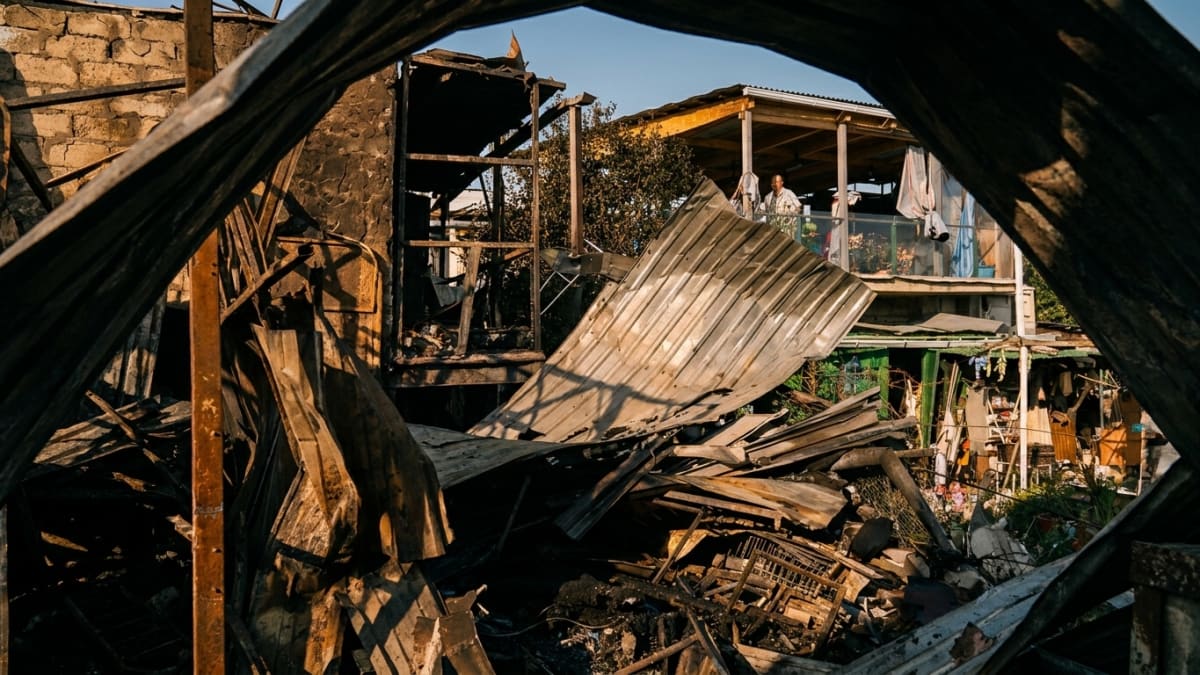
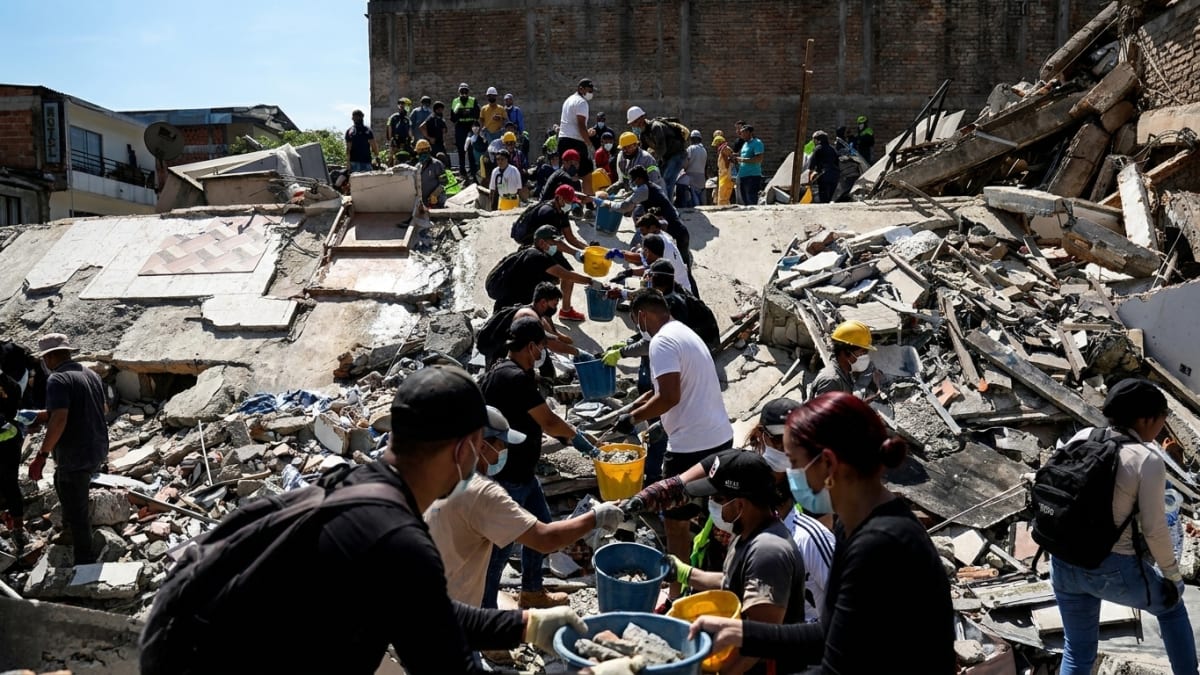
A Russian missile struck a market in Kyiv's Shevchenkivskyi district on Sunday evening, killing at least four people and injuring ten others, according to the Kyiv city administration.[3] Shevchenkivskyi sits in the heart of the Ukrainian capital, a residential and commercial area west of the old city centre and far removed from military infrastructure.
The Kyiv city administration confirmed the casualty figures without elaborating on the type of missile used or any claimed target.[3] Emergency services responded to the scene and the injured were taken to hospital.
The pattern since early 2026
Sunday's exchange did not emerge from nowhere. Since the start of 2026, both Ukraine and Russia have escalated their use of unmanned systems and long-range missiles, with the reciprocal barrage settling into a rhythm: a Ukrainian strike of consequence, a Russian retaliatory strike on a Ukrainian population centre, then diplomatic expressions of concern from capitals that have already said the same many times before.
The 10 August strike on Novorossiysk port, which halted operations at key grain export terminals, was part of Ukraine's intensified long-range campaign against Russian strategic logistics.[1] Disrupting Black Sea grain exports applies pressure on Moscow's capacity to fund the war through agricultural revenue and carries economic weight well beyond the immediate military calculation.
Ukraine's drone campaign has scaled rapidly, moving from sporadic long-range strikes to mass simultaneous launches capable of overwhelming localised air-defence coverage. Russia's claimed interception of 822 drones in a single night implies a Ukrainian operational capacity that was not present twelve months ago.[2]
Diplomacy at a standstill
The Geneva ceasefire talks brokered in April by international mediators have produced nothing binding. Both sides have resumed hostilities shortly after each round of negotiations, a pattern that has repeated with sufficient consistency to suggest the talks function more as pressure-release valves than genuine pathways to de-escalation.[1]
No new round is publicly scheduled and no mediating party has announced a fresh initiative in the wake of Sunday's exchange. The Kyiv city administration confirmed four people died at the Shevchenkivskyi market on Sunday evening.[3]
KEY TAKEAWAYS
SOURCES & CITATIONS
FREQUENTLY ASKED QUESTIONS
How many drones did Ukraine launch in the 16 August 2026 attack?
What happened at the Kyiv market on Sunday evening?
Where do the Geneva ceasefire talks stand?
Margaret Hale writes about politics, policy and the culture of business. She is drawn to the people behind decisions and to the moments when a political story turns out to be a human one.