
TLDR
The United States, Denmark and Greenland announced a security agreement on 18 September 2026 that formalises permanent US control over Greenland's defence while explicitly recognising Danish sovereignty. Formal signing is expected at the UN General Assembly, with parliamentary ratification to follow in each country.
KEY TAKEAWAYS
A deal forged under pressure
There is something instructive about the language a government reaches for when it needs to describe a concession as a triumph. The agreement announced on 18 September 2026 between the United States, Denmark and Greenland is, by any plain reading, a formalisation of American military primacy over a territory it does not own. The Danish Prime Minister's office calls it a strengthening of Arctic security, which is also true, and that is precisely what makes the language worth examining.
The agreement text recognises the sovereignty and territorial integrity of the Kingdom of Denmark and the right of the Greenlandic people to self-determination.[1] The text also bans non-NATO forces and bases from Greenland, codifying Western alliance exclusivity in the High North. All three governments are expected to sign at the UN General Assembly the following week, after which the agreement enters into force subject to parliamentary procedures in each country.[1]
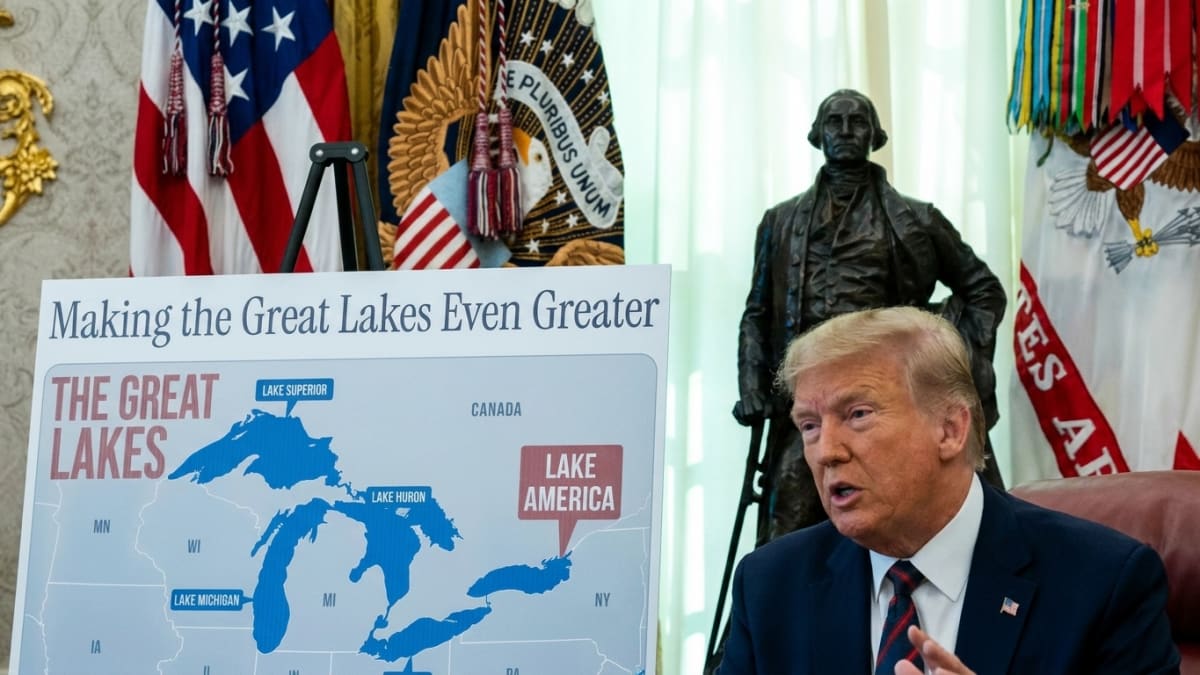
Donald Trump said in a Truth Social post that the tariffs will be levied against Denmark, Norway, Sweden, France, Germany, the United Kingdom, the Netherlands and Finland and take effect on Feb. 1, 2026. They will be increased to 25% on June 1, Mr. Trump wrote, and remain in place "until such time as a Deal is reached for the Complete and Total purchase of Greenland."
January 17, 2026 · View on XFrom tariff threats to signed text
The path to this agreement was not, by diplomatic convention, a graceful one. Since late 2025, President Trump intensified rhetoric about acquiring Greenland. He threatened ten per cent tariffs on Denmark and other NATO allies from 1 February 2026 until a deal for the complete purchase of Greenland was reached.[2] Those tariffs were, in Trump's telling, a negotiating instrument. In Frederiksen's telling, they were an affront to an ally.
On 21 January 2026, at the World Economic Forum, Trump said he sought "immediate negotiations" on Greenland without intending to use military force.[2] That rhetorical retreat from outright annexation framed the months of negotiation that followed. Trump threatened to raise those tariffs to 25 per cent from 1 June 2026, to remain in place until a deal for the complete and total purchase of Greenland was reached.[2] The September agreement is the product of that pressure.
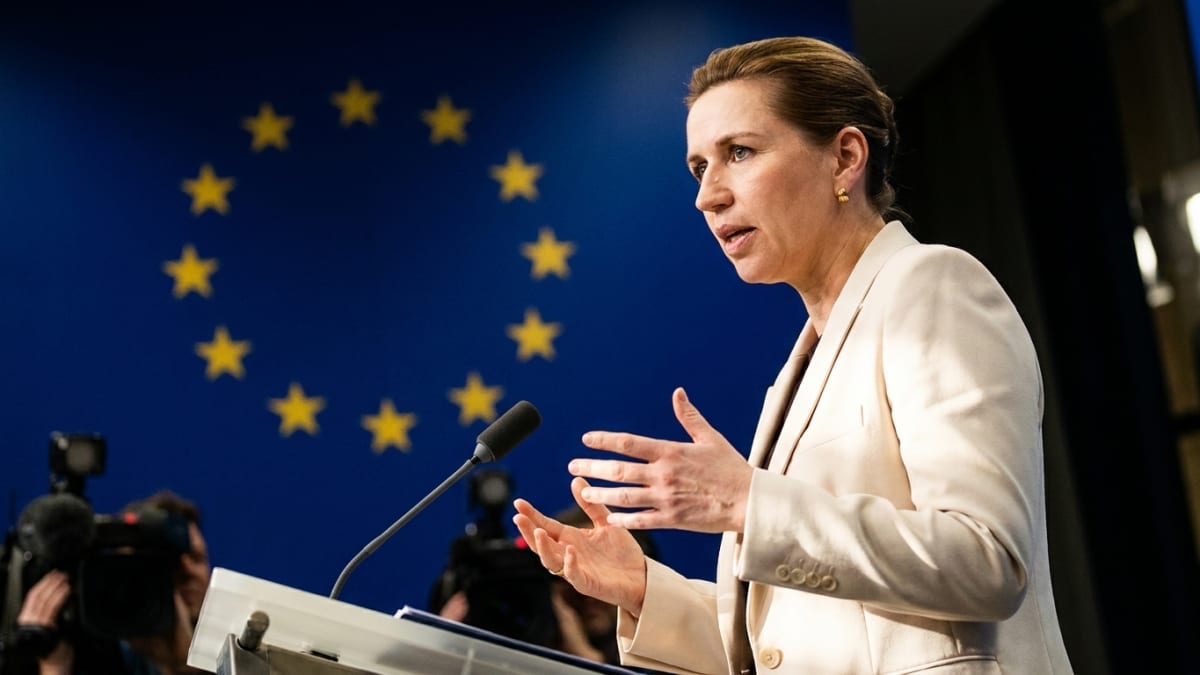
Danish Prime Minister Mette Frederiksen said the outcome strengthened common security in the Arctic and the North Atlantic and was great for NATO and Europe. She said it recognised the sovereignty and territorial integrity of the Kingdom and the Greenlandic people's right to self-determination.[1]
What Greenland's own government said
Greenland Premier Jens-Frederik Nielsen gave the agreement a measured endorsement. He said it would ensure and strengthen the security of Greenland, the Kingdom of Denmark, the United States and the Western Alliance. It recognised Greenland's interests and its place in international cooperation, he said, and was to the benefit of all.[1]
The weight of that endorsement matters because Greenland's right to self-determination is not merely rhetorical decoration in the text. The 2009 Self-Government Act had already enshrined Greenlanders' right to determine their own future, and successive US-Danish defence agreements have built on the framework established by the 1951 Defense of Greenland Agreement. This latest deal builds on that architecture but goes further, formalising US security authority on a permanent basis.[2] Whether Premier Nielsen's endorsement represents genuine enthusiasm or the pragmatic acceptance of an outcome already determined by larger forces is a question the agreement text cannot answer.
Greenland is a self-governing territory of Denmark, a longtime U.S. ally that has rejected Trump's overtures. Greenland's own government also opposes U.S. designs on the island, saying the people of Greenland will decide their own future.
January 6, 2026 · View on XWhat Pacific allies are watching
President Trump announced on 18 September 2026 that the United States had entered into a historic national security agreement with Denmark and Greenland.[3] Senator Jim Banks (R-Ind.) said the agreement ensures the United States and its allies will be able to secure Greenland and the High North against adversaries for generations to come.[3]
For Australia and other Pacific allies, the episode carries implications that extend well beyond the Arctic. A Washington prepared to use economic coercion against a NATO partner to extract security concessions over that partner's territory raises a question Canberra will be quietly assessing. Having succeeded in the North Atlantic, might American pressure on allied sovereignty be applied elsewhere? The Greenland deal demonstrates that tariff threats against allies are a viable instrument of US strategic policy, and that lesson will be absorbed from Micronesia to the Coral Sea.
The formal signing is expected at the UN General Assembly in the last week of September 2026, with parliamentary ratification in Denmark and the United States to follow before the agreement enters into full effect.
SOURCES & CITATIONS
FREQUENTLY ASKED QUESTIONS
Does the US now own Greenland under this agreement?
When will the agreement be signed and take effect?
How did the US pressure Denmark into negotiations?
Margaret Hale writes about politics, policy and the culture of business. She is drawn to the people behind decisions and to the moments when a political story turns out to be a human one.