TLDR
The Trump administration has proposed new Section 301 tariffs on 14 economies, including China, Japan, South Korea and Vietnam, over industrial policies found to harm US manufacturing. Australia is not on the list, though it already carries a separate 12.5 per cent US tariff from July 2026. The proposals are open for public comment.
KEY TAKEAWAYS
Australia excluded as USTR names 14 economies for tariff action
The United States Trade Representative proposed Section 301 tariff action against 14 economies on 25 November 2026, citing industrial policies that created structural excess capacity and burdened US commerce. Australia is not among the 14 economies named, which include China, the European Union, Japan, South Korea, Vietnam, Taiwan, India, Singapore, Indonesia, Malaysia, Cambodia, Thailand, Bangladesh and Switzerland.[1]
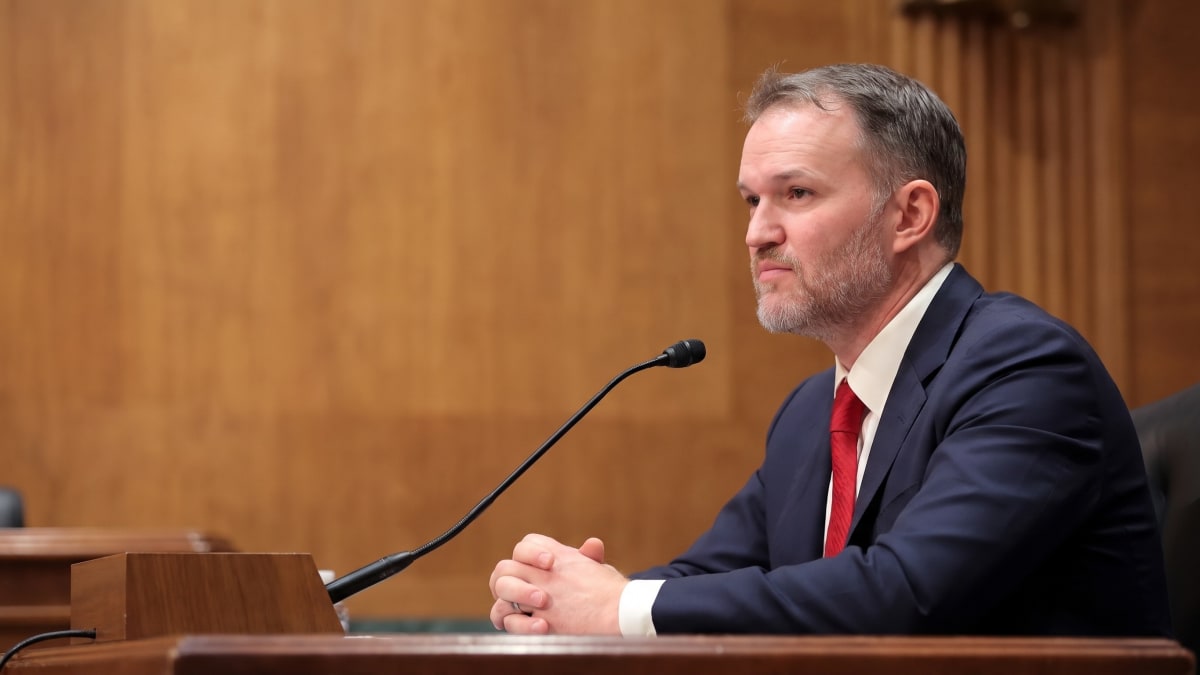
United States Trade Representative Jamieson Greer said the targeted economies had built industrial strategies around wage suppression, non-market inputs and other distorting practices. Greer said: "For decades, many of our trading partners have adopted industrial strategies built on targeting manufacturing, wage and labor suppression, financial and other support, non-market economy inputs, and other market distorting practices that tilt the trade balance in their favor while eroding America's manufacturing base."[1]
Proposed rates and what they cover
China faces a proposed additional duty of up to 20 per cent on top of existing forced-labour Section 301 tariffs, while Vietnam faces a 20 per cent tariff and other partners face rates of 10 to 18 per cent, the ABC reported.[1] For some Chinese goods the new duty stacks on other import taxes for a total rate of 45 per cent, the ABC reported.[1]
In a separate action on the same date, USTR proposed an additional 10 per cent Section 301 tariff on finished aircraft from Brazil and an additional specific tariff on certain Brazilian sugar imports.[2] Greer said Brazil had made no meaningful progress toward addressing harmful trade practices despite more than a year of discussions.[2]
None of the measures are yet in force
The measures remain proposals. USTR has invited public comment before any final action.[1] Comments on the Brazil measures close 30 December 2026, with a hearing set for 14 January 2027.[2]
Australia's separate tariff exposure
Australian goods have been subject to a separate 12.5 per cent US Section 301 tariff since July 2026, introduced over forced-labour import prohibitions.[4] Australia's absence from the 14-economy list does not eliminate its US tariff exposure.
Several of Australia's largest trading partners appear on the USTR list, among them China, Japan, South Korea, India, Singapore, Thailand, Malaysia, Indonesia, Taiwan and Vietnam.[5] [5]
SOURCES & CITATIONS
- USTR makes determinations and proposes actions in 14 Section 301 investigations relating to structural excess capacity
- USTR invites public comment on proposed modifications to Section 301 action regarding Brazil's unreasonable trade practices
- Latest US tariffs, Department of Foreign Affairs and Trade
- ABC News: Trump unveils suite of new tariffs on major trading partners
FREQUENTLY ASKED QUESTIONS