TLDR
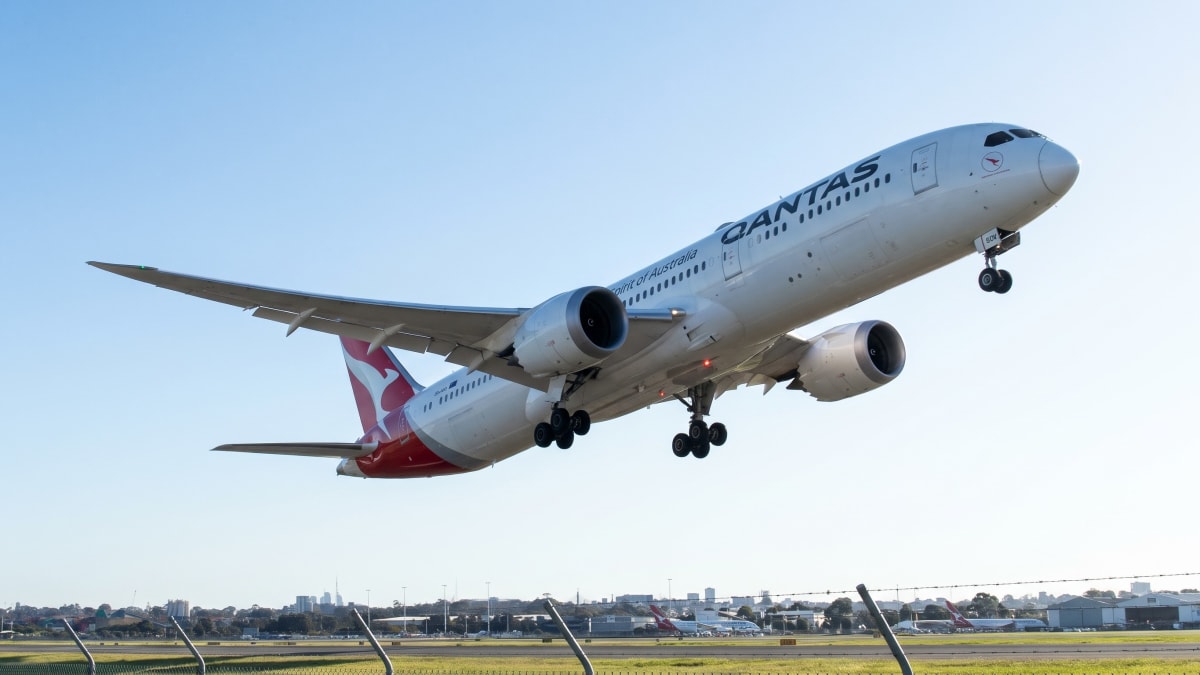
Qantas Group and Virgin are sitting out Brisbane Airport's voluntary overnight tailwind trial, leaving freight and international carriers as the main participants. Residents say the low take-up is failing sleep-deprived communities beneath busy flight paths.
KEY TAKEAWAYS
Freight and international carriers filling the gap
Qantas Group and Virgin Airlines are not taking part in Brisbane Airport's voluntary overnight tailwind trial, leaving residents beneath suburban flight paths reliant on freight and international operators for any noise relief. The ABC understands the two biggest domestic airline groups are not participating in the program.[1]
Tim Boyle, Brisbane Airport's head of airspace management, said international and freight carriers were leading participation.[5]
What the trial involves
The 18-month voluntary program began in December 2025 and allows participating pilots to depart in tailwinds of 5 to 10 knots between 10pm and 6am, routing planes over Moreton Bay rather than residential suburbs.[3] Pilots retain full discretion over whether to accept the higher tailwind limit on any given departure.
Brisbane Airport said the trial operates within the existing regulatory framework, with no changes to International Civil Aviation Organisation standards and no exemptions required from the Civil Aviation Safety Authority.[3] Operational data collected during the trial will be used for possible future consideration of a permanent increase to the tailwind allowance.
Safety and community concerns
Steve Cornell, vice-president of the Australian and International Pilots Association, said the arrangement raised safety questions. "It is fair to say that any situation where you are routinely having aircraft take off or land with increased tailwind, it's a degradation of safety margins. It's not necessarily unsafe. But it's a degradation of safety margins," Cornell said.[1]
Participation is voluntary and at the full discretion of the pilot in command, Brisbane Airport says.[4] Brisbane Flight Path Community Alliance spokesman Matt Loveday said: "Every flight that doesn't wake up thousands of people is a benefit, but this is not in itself a solution with such a small percentage take-up."[1]
SOURCES & CITATIONS
FREQUENTLY ASKED QUESTIONS