TLDR
A 3-3 deadlock at the US International Trade Commission has handed President Donald Trump the decision on whether to impose tariffs or quotas on imported lamb. Australia shipped nearly 100,000 tonnes of sheepmeat to the US in 2025, worth A$1.58 billion, putting a major export market at risk.
Deadlock sends lamb tariff call to the White House
The US International Trade Commission split 3-3 on 13 November 2026 over whether increased lamb imports had seriously injured domestic producers, an evenly divided result that under American trade law triggers the same process as an outright finding of injury.[1] President Donald Trump will ultimately decide whether to impose tariffs, quotas, tariff-rate quotas or some combination of measures on lamb entering the United States.[2]
The commission will hold a remedies hearing on 1 December 2026. Both groups of commissioners must then submit their separate recommendations to Trump by 11 January 2027, after which Trump has 60 days to accept a recommendation or choose his own remedy.[1]
What is at stake for Australia
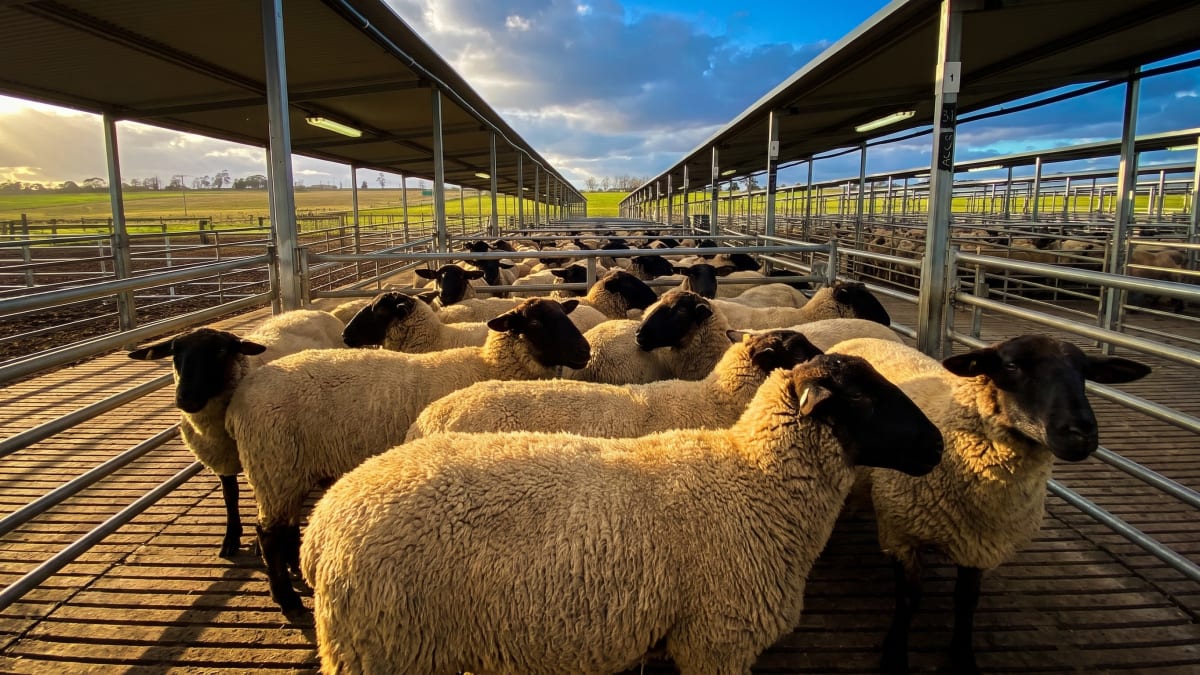
Australia exported 99,773 tonnes of sheepmeat to the United States in 2025, worth A$1.58 billion, making the US the country's largest lamb export market by volume.[3] Meat and Livestock Australia's State of the Industry report breaks the total down to about 84,569 tonnes of lamb and about 16,000 tonnes of mutton.[4]
The investigation covers fresh, chilled and frozen lamb from all supplying countries under the Section 201 global safeguard process, which requires no evidence of dumping or subsidies. The statutory test is whether increased imports have been a substantial cause of serious injury, or the threat of it, to the American domestic industry.
What American sheep producers argued
The American Sheep Industry Association brought the case and said its evidence showed imported lamb undersold domestic lamb in more than 90 per cent of price comparisons, and that low-priced imports were the primary reason for the domestic industry's difficulties.[1]
ASI board president Ben Lehfeldt said the split outcome still moved the industry's case forward. "While we would have preferred a clear affirmative decision, a tie still results in an important step forward for American sheep producers and reflects the collective efforts of our industry to bring this issue before federal decision-makers," Lehfeldt said.[1]
Australia's industry and government response
Meat and Livestock Australia, Sheep Producers Australia, the Australian Meat Industry Council and the Australian Government have been coordinating Australia's participation in the investigation. Their shared position holds that Australian supply complements American domestic production and helps meet year-round consumer demand.[5]
Sheep Producers Australia chief executive Bonnie Skinner said: "Australian sheep producers take pride in producing high-quality lamb that is trusted and enjoyed by American consumers. Australian supply complements domestic production and helps meet year-round consumer demand for lamb."[5]
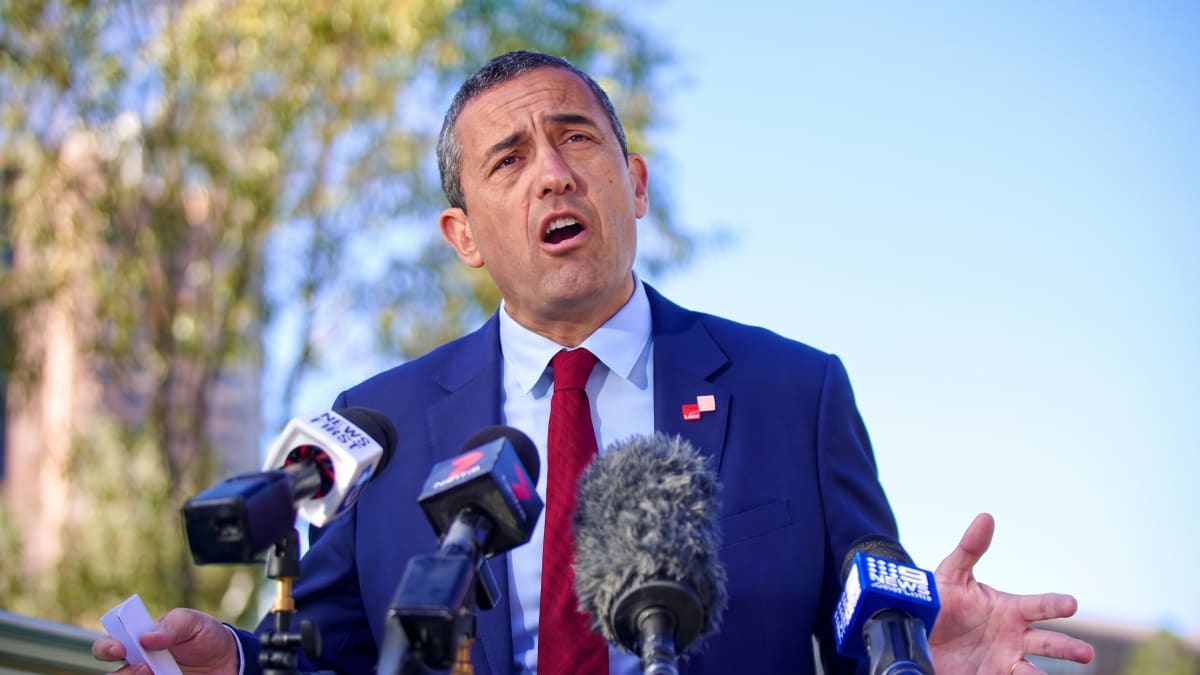
Trade Minister Don Farrell put the market share in context. "Currently Australian lamb represents less than half of 1 per cent of all protein that Americans eat," Farrell said. "Now we're the largest supplier of lamb into the American market. It's worth about $1.5 billion to the Australian economy."[6]
The remedies hearing on 1 December 2026 is the next formal step, with both sides putting their cases on what relief, if any, the commission should recommend to the president.
KEY TAKEAWAYS
SOURCES & CITATIONS
- ASI press release: USITC injury determination tie vote
- USITC fact sheet: Lamb meat TA-201-80 global safeguard investigation
- MLA North America 2025 market snapshot
- MLA State of the Industry Report 2026
- MLA: Australian lamb industry ready to respond to US safeguard investigation
- Trade Minister Don Farrell interview transcript, ABC Afternoon Briefing
FREQUENTLY ASKED QUESTIONS