TLDR
South Australian Energy Minister Tom Koutsantonis has endorsed gas as a firming source for large AI data centres, even as the state pursues a 100 per cent net renewable electricity target by 2027. Two major proposals totalling 2,000 MW are testing the tension between round-the-clock computing loads and renewable ambitions.
Minister backs gas for always-on computing loads
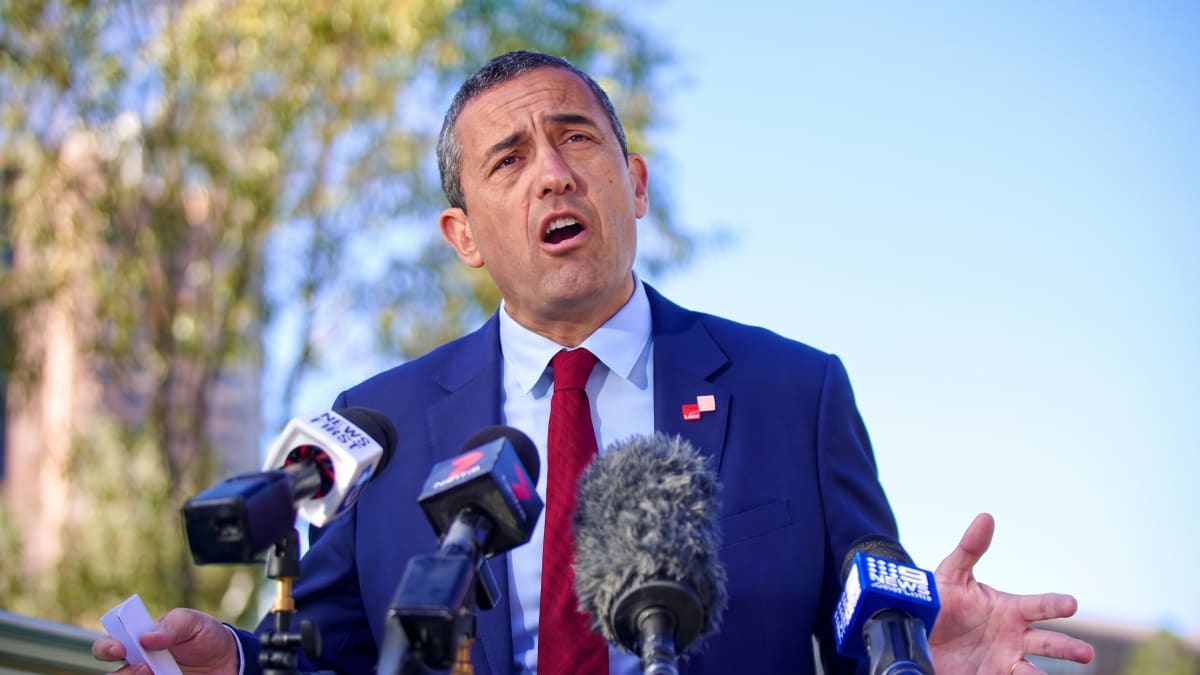
South Australian Energy and Mining Minister Tom Koutsantonis has given an in-principle endorsement to gas generation as a firming source for proposed artificial-intelligence data centres, saying facilities that require continuous electricity need backup when wind and solar output falls.[1] "We support the idea of gas use to firm data centres the same way we support the idea of gas firming our renewable energy right now," Koutsantonis said.[1]
The position sits alongside the state's existing 100 per cent net renewable electricity target for 2027, under which gas already plays a transitional firming role.[1] Two large data centre proposals have brought the question of firm power supply into sharp relief.
IREN's Bundey campus and the Tungkillo pause
IREN announced a planned 800 MW data centre campus at Bundey in South Australia's Mid North after signing a transmission connection agreement, with energisation targeted from 2028 and more than 500 construction jobs forecast.[2] The agreement secures four 330 kV feeder exits at the nearby utility substation and is expected to accommodate the full 800 MW load without network upgrades, subject to approvals and connection conditions.[2]
IREN co-founder and co-chief executive Daniel Roberts said South Australia offers what AI infrastructure at scale requires: abundant clean energy, the connectivity to serve the APAC region, and a state government that understands the opportunity and is acting on it.[2]
Quantum DC's proposed 1,200 MW Tungkillo Compute and Energy Hub, designed across three stages and covering about 220 hectares in the Adelaide Hills, includes on-site gas turbines to firm supply during low renewable output alongside contracted South Australian wind and solar.[3] Quantum DC paused its planning approvals program on 12 November, saying it would not seek Crown Sponsorship or lodge a development application in 2026 while it addresses community concerns and commissions an independent review of specialist technical studies.[3]
Greens and conservation groups push back
The SA Greens welcomed the Tungkillo delay and used it to call for a broader government response.[4] Greens senator for South Australia Sarah Hanson-Young called for a moratorium on all new AI data centre applications, approvals and construction until stronger national regulations are in place.[4] "A moratorium on all new AI data centres is essential until robust national regulations are in place to protect our communities, environment and energy resources from exploitation by Big AI," Hanson-Young said.[4]
Conservation Foundation of SA chief executive Kirsty Bevan said endorsing more gas supply for data centres would undermine the state's renewable energy progress. "With energy storage and other backup technologies available to support grid reliability, expanding gas supply for data centres and AI infrastructure is a step backwards," Bevan said.[1]
Quantum DC has committed to a longer community engagement process and an independent technical review before resuming its approvals program, leaving the government's renewables-led investment pitch alongside the unresolved question of how very large data centres will secure continuous electricity supply.[3]
KEY TAKEAWAYS
SOURCES & CITATIONS
FREQUENTLY ASKED QUESTIONS