
TLDR
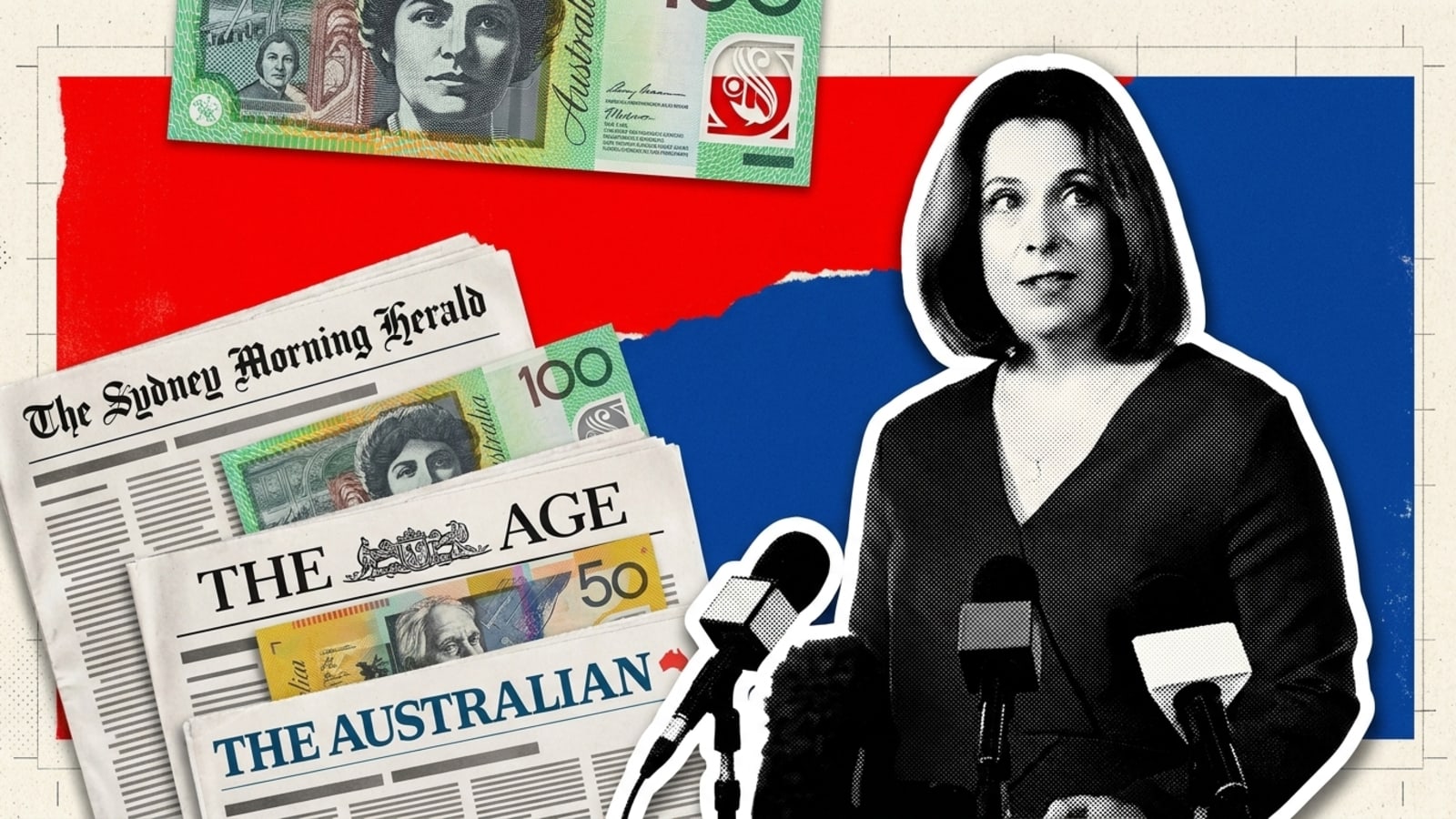
Australia's finalised News Bargaining Incentive charges big digital platforms 2.5% of their Australian advertising revenue, with all money flowing to news publishers. LinkedIn joins Google, Meta and TikTok in scope, while Treasury estimates the scheme will deliver A$200 million to A$250 million annually to the media sector.
KEY TAKEAWAYS
The advertising line is what matters
If you want to know where a platform's real money comes from, look at advertising. The Albanese Government has now done exactly that. On 3 August 2026, it finalised the News Bargaining Incentive, a scheme that charges qualifying digital platforms 2.5% of their Australian advertising revenue and routes every dollar collected back to the news media sector.[1] The shift from total revenue to advertising revenue is not a concession to the platforms; it is a more precise targeting of the revenue stream that actually depends on news content.
Assistant Treasurer Daniel Mulino said the government narrowed the charge base from total revenue to advertising revenue, raised the charge rate, and based on Treasury advice, the total amount required to be provided to media through deals remains the same.[4] Narrower base, higher rate, same net flow to publishers.
How the mechanism works
The NBI is structured as an incentive, not a blunt tax. Platforms that strike commercial deals with at least six Australian news publishers receive credit against any charge that would otherwise apply; platforms that do not deal pay the 2.5% charge, and that revenue flows directly to the media sector rather than into consolidated government revenue.[1]
The revenue threshold that triggers the obligation sits at A$250 million of Australian-generated revenue. For social media services, platforms must also have at least five million Australian users; for search services, the threshold is ten million users.[2] Google, Meta and TikTok were explicitly named as platforms in scope when the draft was released in April.[2]
LinkedIn pulled into scope
The finalised legislation removed the previous exclusion for professional networking sites, bringing LinkedIn within the scheme's scope alongside the social media and search platforms already covered.[1] LinkedIn's Australian advertising operation has grown steadily on the back of professional content consumption, and news forms a significant share of what its users engage with daily.
The finalised legislation also enhanced support for regional and small publishers, a constituency that lobbied hard during the consultation period that closed in May 2026. Provisions aimed at smaller outlets are built into the distribution mechanism to prevent the collected charges from concentrating among the largest metro titles.
The democracy argument and the money
Daniel Mulino said Australian journalism is important to a well-functioning democracy and the government wants it to be sustainable now and into the future.[1] Treasury's modelling puts the annual flow to the media sector at A$200 million to A$250 million, a range consistent with what the original 2021 code was understood to have generated at its peak before platforms began walking away from deals.
The NBI's advertising-revenue base removes the escape route the earlier code left open. A platform cannot reduce its advertising revenue by deprioritising news links, so the incentive to deal rather than pay the charge holds regardless of content decisions.
Objections from both sides
News Corp, whose titles would be among the largest beneficiaries of publisher revenue flows, said the redesign had weakened the original proposal. The shift to an advertising-only base, the company argued, reduced the total obligation on platforms compared with what a broader total-revenue charge would have produced. Economist Rod Sims, who designed the original 2021 code, raised a different concern: the NBI's exclusion of AI platforms from scope left a growing category of news-consuming technology outside any obligation to contribute to the journalism it draws on.
Sims' concern about AI platforms reflects a genuine structural gap. Large language models and AI-powered search products ingest journalism at scale, surface its conclusions without attribution, and currently sit outside any bargaining or levy framework anywhere in the world. The government's position, at least for this legislation, is that the NBI covers the platforms with the largest current Australian advertising footprints, and AI-specific obligations remain a separate policy question.
Washington pushes back
The US National Foreign Trade Council urged Australia to withdraw the proposal entirely, describing it as coercive and discriminatory.[3] The NFTC's objection, made public in April 2026 while the draft was still in consultation, framed the NBI as targeting American companies specifically and characterised it as a digital trade barrier of the kind Washington has consistently opposed in bilateral and multilateral forums.
The Albanese Government proceeded with finalisation despite that pressure, a signal that it regards the domestic media sustainability argument as politically durable enough to absorb the bilateral friction. Australia's existing free trade architecture with the United States has generally excluded digital services from levy-style obligations, and the NFTC's language of "coercive and discriminatory" is precisely the framing that surfaces in trade dispute proceedings.
Whether platforms comply by striking deals or pay the charge and let the revenue flow to publishers, the NBI's advertising-revenue base, the LinkedIn expansion, and the enhanced regional publisher provisions together represent a more durable architecture than the original bargaining code. Treasury's estimated annual flow of A$200 million to A$250 million is the figure the sector will now hold the government to.
SOURCES & CITATIONS
FREQUENTLY ASKED QUESTIONS
What is the News Bargaining Incentive?
Which platforms does the NBI cover?
How can a platform avoid paying the charge?
How much money is expected to flow to Australian publishers?
Why did the US National Foreign Trade Council object?
Vikram Singh writes about banking. He follows where money actually moves, from the strategy set in head office to what changes on a customer's phone.