
TLDR
Australian merchants can no longer add surcharges on Visa, Mastercard, American Express and eftpos cards, ending a 23-year regime. The Reserve Bank estimates merchants collected around A$1.8 billion in surcharges in 2024/25, of which A$1.6 billion came from consumers.
What changed at the checkout today
The line item that has irritated Australian shoppers since 2003 disappears today. From 1 October 2026, businesses can no longer add a surcharge for payments made using Visa, Mastercard, American Express or eftpos credit, debit or prepaid cards.[1] American Express, UnionPay and PayPal have each decided voluntarily to remove surcharging from the same date.[4]
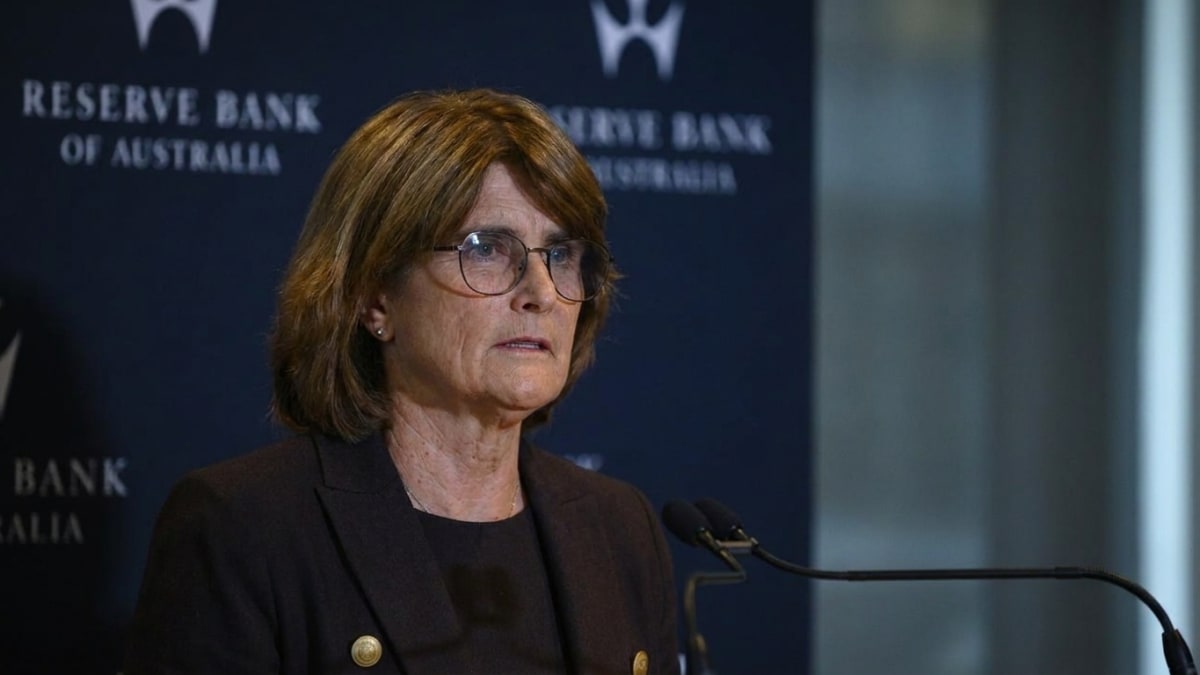
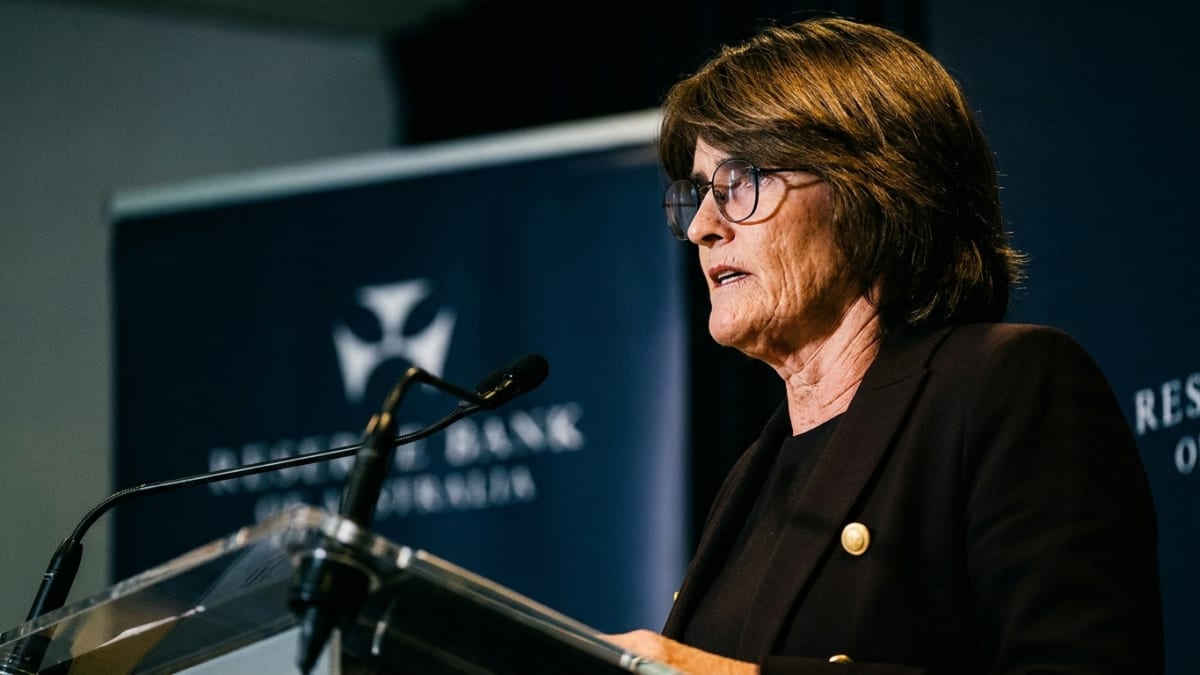
The change flows from a Variation instrument the Reserve Bank's Payments System Board issued on 31 March 2026 under the Payment Systems (Regulation) Act 1998. The Board was direct about its reasoning. It said removing surcharging would align with strong feedback from a large majority of consumers, who would prefer payment costs to be built into advertised prices.[3]
The numbers behind the ban
The Reserve Bank estimates merchants charged around A$1.8 billion in card payment surcharges in 2024/25, of which A$1.6 billion was paid by consumers.[3] That figure is the ceiling on what shoppers might recover, though how much flows back through lower prices rather than improved margins will depend on individual merchants.
Interchange caps also shift today. Domestic consumer credit card interchange is capped at 0.3 per cent of the transaction value, down from 0.8 per cent. Domestic debit and prepaid interchange is capped at 0.16 per cent.[2] A separate cap on foreign-issued card transactions takes effect later: 1 per cent from 1 April 2027.[2]
How cafes and small retailers are responding
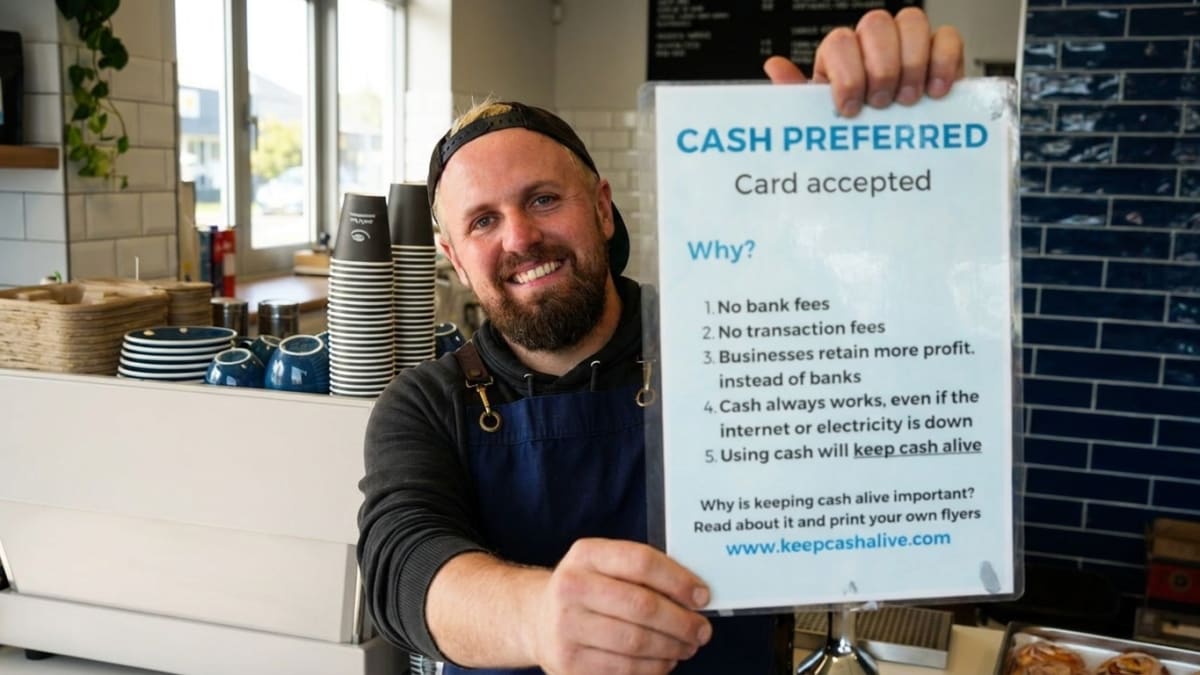
The operational picture is messier than the policy. Some merchants are folding their former surcharge into base prices, which is what the Payments System Board anticipated. Others are leaning toward cash discounts to preserve margin, a practice the new rules do not prohibit. A third group simply has not updated their point-of-sale terminals yet, meaning some shoppers will encounter surcharges in coming days that are now unlawful.
Small hospitality operators have been the loudest critics. Their argument is straightforward: card acceptance costs did not disappear on 1 October, they were made invisible, and thin-margin venues will absorb them. The lower domestic interchange caps address part of that concern, though smaller merchants typically access interchange economics indirectly through acquirer pricing rather than setting their own rates.
Enforcement and what comes next
The Australian Competition and Consumer Commission holds enforcement responsibility under the Competition and Consumer Act 2010, with card networks and payment service providers also enforcing no-surcharge rules through merchant contracts.[1] ACCC Deputy Chair Mick Keogh said that businesses must not charge a card payment surcharge that is in excess of their cost of accepting the type of card being surcharged.[5]
Buy now pay later providers, Diners Club and operators charging weekend or public-holiday premiums fall outside the ban entirely.[4] Consumers who believe they have been charged an unlawful surcharge from today can lodge a complaint directly with the ACCC.
KEY TAKEAWAYS
SOURCES & CITATIONS
FREQUENTLY ASKED QUESTIONS
Which cards are covered by the surcharge ban?
What is not covered by the ban?
How will the ban be enforced?
Will prices at the checkout actually fall?
Vikram Singh writes about banking. He follows where money actually moves, from the strategy set in head office to what changes on a customer's phone.