TLDR
Annual inflation accelerated to 4.0 per cent in August 2026, driven by housing costs and a 14.8 per cent monthly surge in fuel prices. The ABS figures landed the day after the Reserve Bank lifted the cash rate to 4.60 per cent, with Governor Michele Bullock warning further rises remain on the table.
A number that arrived at the worst possible moment
The Consumer Price Index rose 4.0 per cent in the twelve months to August 2026. This was up from 3.5 per cent in July, the Australian Bureau of Statistics confirmed on 30 September.[1] The timing was pointed. The figures landed less than twenty-four hours after the Reserve Bank Board lifted the cash rate by 25 basis points to 4.60 per cent. This was its fourth increase this year.[2]
Monthly prices rose 0.4 per cent in August alone.[1] The board raised rates four times to restrain demand. Headline inflation is now widening its gap with the 2 to 3 per cent target band.
Housing and fuel do the damage
Housing remained the largest contributor to annual inflation. It rose 5.7 per cent over the year to August. New dwelling prices were up 5.4 per cent across the same period.[1] Persistent construction cost pressures and tight rental vacancy rates continue feeding through to the index. A rate rise alone cannot quickly address this.
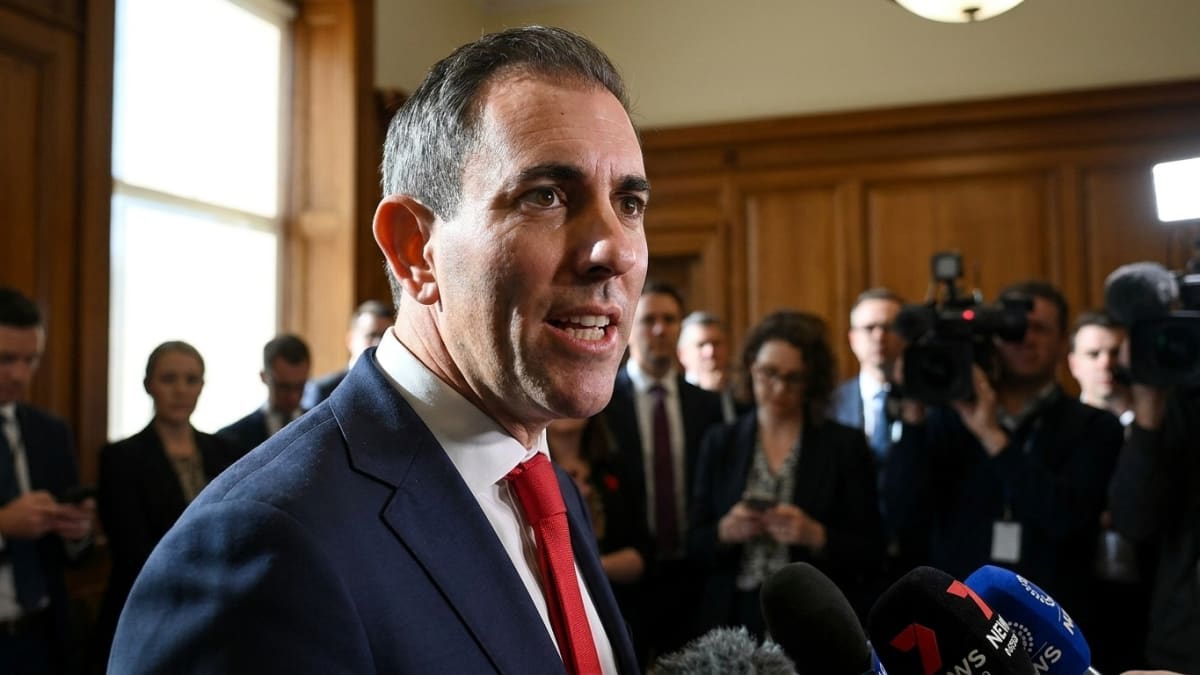
Transport was the second-largest contributor. It rose 5.6 per cent annually. Automotive fuel prices jumped 14.8 per cent in the month of August.[1] Treasurer Jim Chalmers pointed to geopolitical sources for the shock. He said the inflation challenge is made worse by the war in the Middle East. This is pushing up global oil prices. He said its effects are being felt directly at the petrol bowser and much more broadly right around the country.[3]
The trimmed mean tells its own story
Headline CPI captures the full force of volatile items like fuel. The trimmed mean strips those out to reveal domestic price momentum. Trimmed mean annual inflation held steady at 3.6 per cent for the third consecutive month in August. This remains well above the RBA's 2 to 3 per cent target band.[1] Three consecutive months without movement in the underlying measure is the detail the bond market reads most carefully. It suggests the disinflationary impulse has stalled.
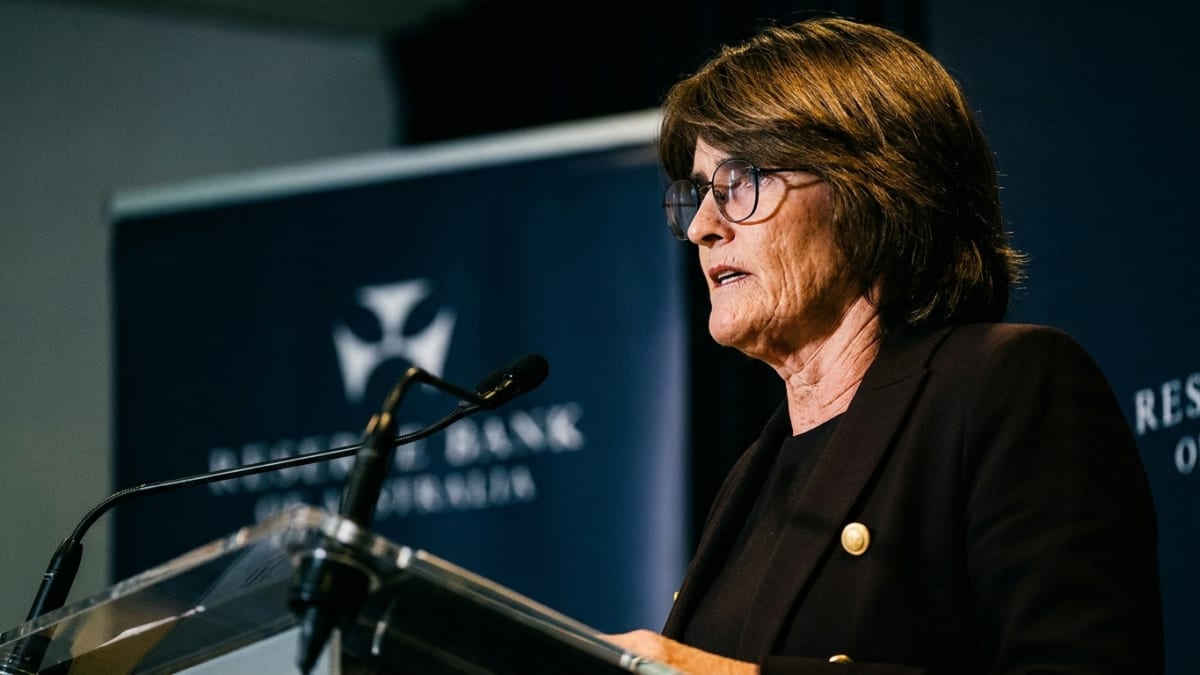
Governor Michele Bullock left little room for interpretation after the rate decision. She said the Board will increase interest rates again if that is what is needed to get inflation down.[4] A governor who saw a clear path to the target band in the near term would have said so. Bullock did not.
Markets are now pricing further tightening into the curve. The next scheduled board meeting is the immediate focus for traders. They are watching whether September's fuel-driven spike proves temporary or embeds itself in the underlying measures. The next monthly CPI indicator is due in late October.
KEY TAKEAWAYS
SOURCES & CITATIONS
FREQUENTLY ASKED QUESTIONS
Why did inflation rise when the Reserve Bank has been lifting interest rates?
What is trimmed mean inflation and why does the RBA focus on it?
Could the cash rate rise above 4.60 per cent?
Elias Thorne writes about interest rates, the bond market and the Reserve Bank. He is interested in what monetary policy actually does to household budgets, and in the long stretches of economic history that tend to repeat.