TLDR
The Pan American Health Organization has stripped the United States of its measles elimination status, held since 2000, after a domestic transmission chain ran for more than 12 months. More than 5,400 cases and six deaths have been confirmed across 43 outbreaks this year, with kindergarten vaccination rates below the herd immunity threshold.
KEY TAKEAWAYS
PAHO strips US of a status held for a generation
The Pan American Health Organization's regional verification commission has revoked the United States' measles elimination status, finding the virus had re-established continuous domestic transmission. [1] The US had held that designation since 2000, a period of 26 years.
Elimination status does not require zero cases. A country retains it when imported infections are detected and contained before local chains take hold, and loses it when domestic transmission persists for at least 12 months despite a functioning surveillance system. [2]
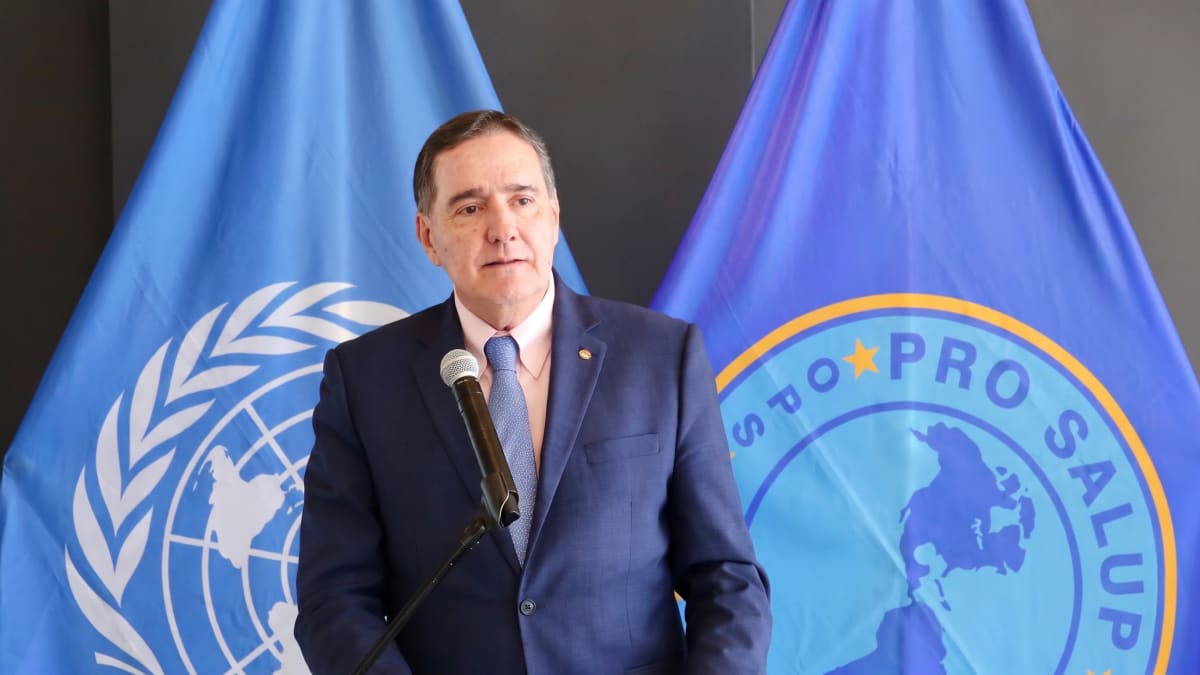
PAHO identified a US transmission chain that began on 20 January 2025 and continued for more than 12 months, meeting the threshold for endemic transmission to be considered re-established. [2] PAHO Director Dr Jarbas Barbosa da Silva Jr. said the organisation commended the significant efforts undertaken by the United States to manage the outbreak through strengthened surveillance, timely case detection and response, targeted vaccination activities, and coordination across the public health system. [2]
Scale of the 2026 outbreak
The CDC had confirmed 5,412 US measles cases this year as at 12 November, almost all of them linked to outbreak clusters. [3] Six measles-associated deaths had been confirmed nationally in the same reporting period. [3]
CDC Director Dr Erica Schwartz said the measles elimination designation is not what protects Americans and that vaccination does. [7]
US kindergarten MMR vaccination coverage fell to 92.4 per cent in the 2025-26 school year, below the 95 per cent level the CDC identifies as the threshold needed to protect communities through herd immunity. [3] Communities with clusters of unvaccinated children create the gaps that allow outbreak chains to form and persist, and the US must now submit a corrective action plan to PAHO before it can seek to regain the designation. [1]
What it means for Australians travelling to the US
Australia still regards measles as eliminated domestically, but the comparison carries its own discomfort. By 27 September, Australia's national notifiable diseases surveillance system had recorded 123 measles notifications in 2026, the majority arising from infections acquired overseas and then spreading locally to under-vaccinated contacts. [4]
Australia's immunisation coverage among five-year-olds sat at 93.27 per cent in 2024-25, below the national protection target of 95 per cent, leaving pockets of susceptibility that returning travellers can seed. [5]
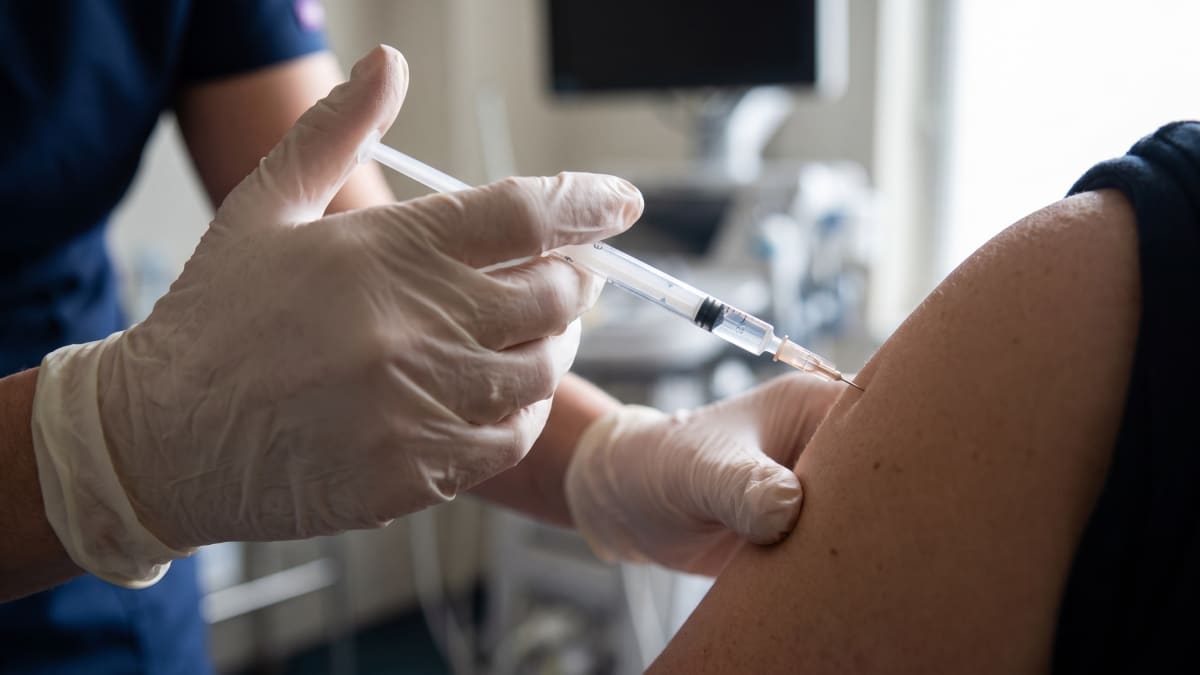
Australian health authorities advise all overseas travellers to confirm they have received two measles-containing vaccine doses before departure. Chief Medical Officer Professor Michael Kidd said in January that infants aged six to 11 months should receive an additional MMR dose when travelling overseas. [6]
SOURCES & CITATIONS
- PAHO urges countries to step up efforts to stop measles outbreaks
- CDC Commission on International Measles, CIM-2026-0059
- CDC Measles Cases and Outbreaks Data
- NNDSS Fortnightly Report 14 to 27 September 2026
- Department of Health and Aged Care 2024-25 Annual Report
- Chief Medical Officer Professor Michael Kidd, measles vaccination advice
- CDC media release, loss of US measles elimination status
FREQUENTLY ASKED QUESTIONS