TLDR
The US Department of Justice filed a 20-page brief on September 1, 2026, backing fair use for AI training in the New York Times case and framing that position as national policy. Every publisher and rights holder suing an AI company now has Washington's view on the record.
KEY TAKEAWAYS
Why the DOJ filing matters in the Times case
On September 1, 2026, the US Department of Justice filed a 20-page Statement of Interest in The New York Times Co. v. Microsoft Corp. et al., Case No. 1:23-cv-11195-SHS-OTW, telling the Manhattan federal court that training large language models on copyrighted material is fair use.[1]
The department invoked 28 U.S.C. § 517, which lets the DOJ put its legal view on the record in federal litigation without joining the case as a party.[1] The filing is persuasive, not binding.
The Statement of Interest cites two executive orders: the January 23, 2025 order removing barriers to US AI leadership and the June 2, 2026 order promoting advanced AI innovation and security.[1] The DOJ framed fair use for AI training as national policy, not just statutory interpretation. "Constraining LLM development under a misunderstanding of fair use doctrine would thwart creative and scientific progress while hindering American prosperity and economic mobility," the department said in the September 1, 2026 filing.[1]
What the Times alleges and what OpenAI has argued
The Times filed its complaint on December 27, 2023. It alleged that OpenAI and Microsoft built large language models by copying and using millions of its copyrighted news articles, investigations, opinion pieces and other content without permission or payment, to train tools that now compete directly with Times journalism.[2]
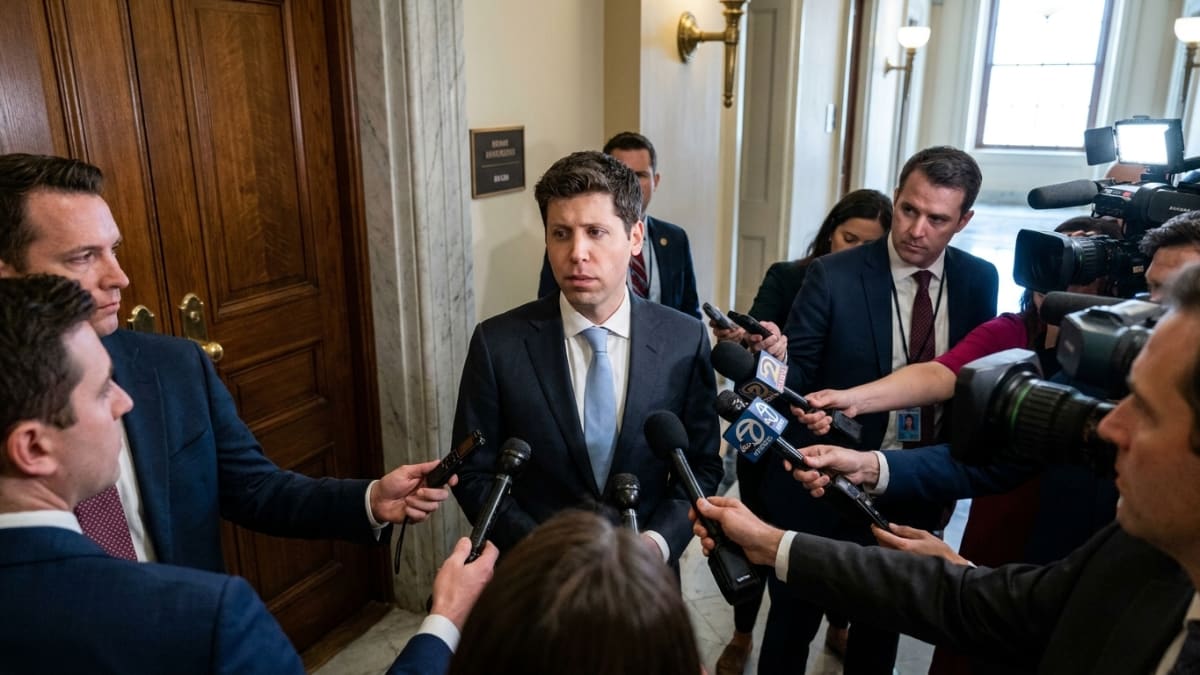
OpenAI has argued that training on copyrighted works is transformative fair use. The DOJ endorsed that framing directly on September 1.
Rights holders read it differently. Mass copying of protected works, they argue, was the economic foundation of competing products. Treating it as fair use strips the incentive to create and license original journalism, books and music.
Why publishers, music rights holders and Australia will notice
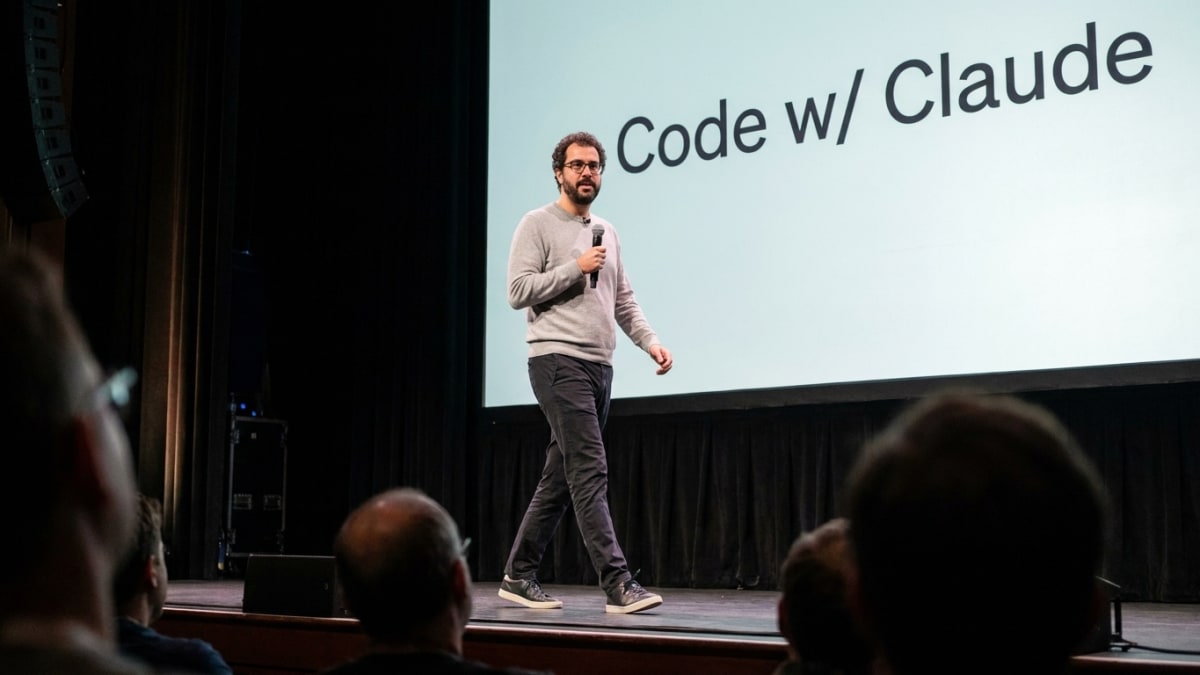
The Times case is the highest-profile fight, but it is not alone. Sony Music Publishing and Warner Chappell Music filed a 48-page complaint on August 28, 2026, against Anthropic PBC, CEO Dario Amodei and Benjamin Mann, alleging a campaign of illegally torrenting, scraping and downloading hundreds of copyrighted song compositions to train the Claude AI models.[3]
Named works in that complaint include "Ain't No Mountain High Enough", "All I Want for Christmas Is You" and "Eye of the Tiger".[3] Under 17 U.S.C. § 504(c), the publishers are seeking statutory damages of up to $150,000 per infringed work.[3] The DOJ brief was filed in the Times case, but the fair use argument it endorses is identical to what Anthropic will run.
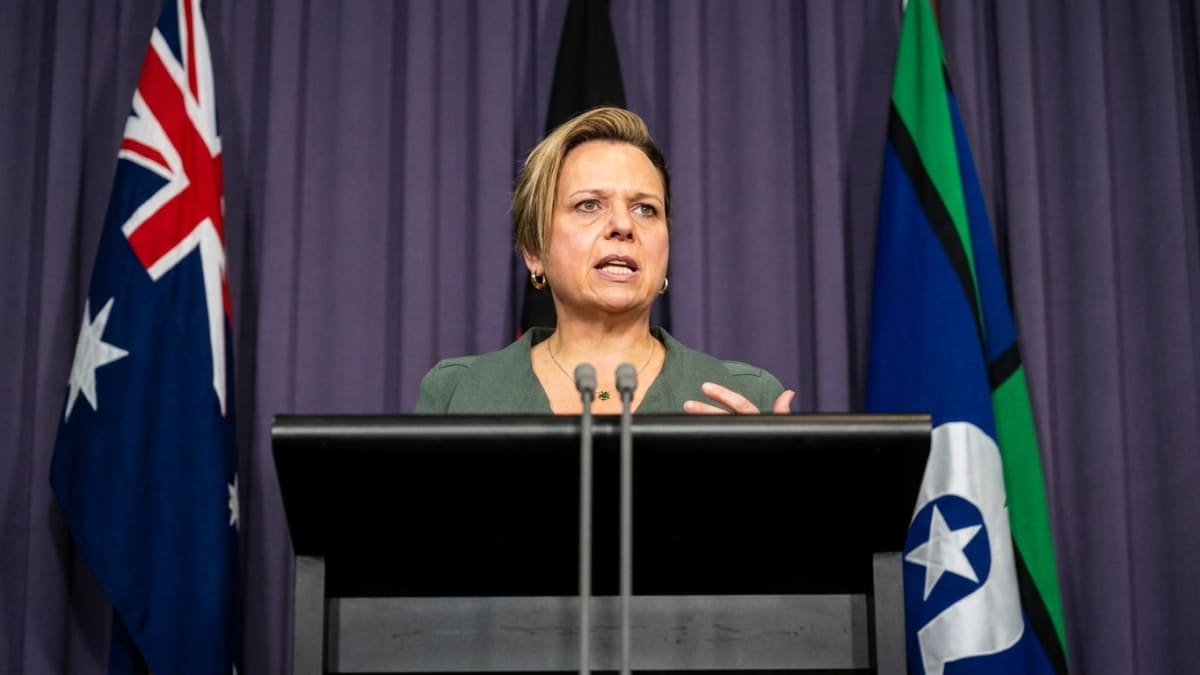
Australian policymakers are watching a different clock. Attorney-General Michelle Rowland confirmed on July 16, 2026 that the government had ruled out a text-and-data-mining exception and would not revisit the decision. "We've ruled out a text and data mining exception. We're not revisiting that decision," Rowland said.[4] Australia has drawn a harder line than Washington, at least for now.
The Manhattan judge is not bound by the DOJ's view. What has changed is that the US executive branch has declared expansive fair use for AI training a matter of national policy, in a live case, on the record, as of September 1, 2026.
SOURCES & CITATIONS
- Statement of Interest of the United States, September 1, 2026
- Complaint, The New York Times Company v. Microsoft Corporation et al, December 27, 2023
- Complaint and Demand for Jury Trial, Sony Music Publishing (US) LLC and Warner Chappell Music, Inc. v. Anthropic PBC et al, August 28, 2026
- Radio interview, ABC Radio National, Breakfast with Sally Sara, Attorney-General Michelle Rowland, July 16, 2026
FREQUENTLY ASKED QUESTIONS
What is a statement of interest and does it decide the case?
What does the Times allege OpenAI and Microsoft did?
How does this affect Australian copyright law?
Zara Kincaid writes about artificial intelligence and search. Her focus is what happens to businesses when the front page of the internet stops being a list of links and starts being an answer.