TLDR
Australia's federal government has released draft privacy legislation introducing a fair-and-reasonable test for data collection, a right to erasure and tighter consent rules covering AI and smart glasses. Attorney-General Michelle Rowland ruled out an import ban on smart glasses in this round. Consultation closes 18 September 2026.
The bill in brief
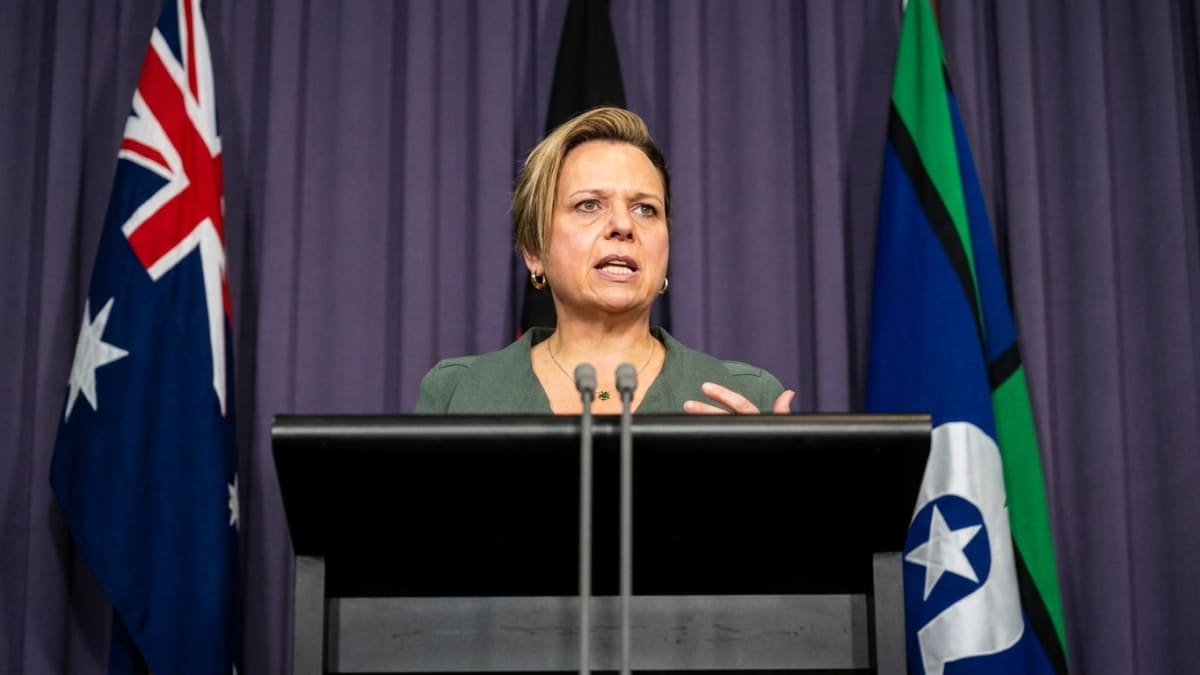
Australia's privacy framework is due for a meaningful overhaul. The Albanese Government released an exposure draft of the Privacy Amendment (Personal Data Protection) Bill 2026 on 31 August, targeting risks that have outpaced the existing Privacy Act 1988, specifically artificial intelligence and wearable surveillance devices such as smart glasses.[1] Attorney-General Michelle Rowland said the Albanese Government is modernising Australia's privacy laws to ensure they are fit for purpose in the digital age.[1]
The draft bill moves on four fronts. It introduces a fair-and-reasonable test for data collection, stronger consent standards, an outright prohibition on trading personal information without clear permission, and a right to erasure that lets individuals demand large digital platforms destroy their data.[1] The reforms also aim to improve the operational efficiency of the Office of the Australian Information Commissioner, which has long drawn criticism for slow enforcement.[1]
AI and the fair-and-reasonable test
The practical bite for technology businesses sits in the fair-and-reasonable test. Under the proposed Tranche 2 reforms, entities will need to demonstrate that their collection and use of personal information, including to train AI models, is fair and reasonable, not merely that they hold consent buried in terms of service.[3] That shifts the compliance burden materially: a company hoovering up public data to fine-tune a large language model can no longer point to a 3,000-word privacy policy as its defence.
Smart glasses add a sharper edge to the surveillance problem. Privacy advocates and the regulator have flagged that covert recording and real-time AI processing in consumer wearables expose gaps that existing laws, built largely on outdated wiretapping statutes and a patchwork of state-level rules, cannot close.[3] Civil liberties groups have pushed for a cohesive national response, arguing the current framework leaves individuals with almost no practical recourse when a device worn by a stranger captures and processes their face.
No import ban, but the door stays open
Smart glasses will not face an import ban under this bill. Rowland was direct: "We are not specifically, in this consultation, consulting on an import ban," she said.[4] She left the longer runway visible: "The Privacy Act consultation does not go to issues of import restrictions; however, we are not ruling anything out in terms of other measures we can take," she said.[4]
That hedge matters. Smart glasses hardware, from Ray-Ban Meta frames to cheaper Android-based alternatives, stays on Australian shelves while the data-handling rules tighten around what those glasses can legally do with the footage they collect. Whether a separate trade or customs mechanism follows will depend on what the consultation surfaces.
What comes next
Public consultation on the exposure draft opened 31 August 2026 and closes 18 September 2026, giving industry, civil society and privacy advocates less than three weeks to file submissions.[2] That window is tight by the standards of major privacy reform: the 2022 review of the Privacy Act ran for months, and some advocates will likely push back on the pace. Submissions can be lodged directly through the Attorney-General's Department consultation portal.
KEY TAKEAWAYS
SOURCES & CITATIONS
FREQUENTLY ASKED QUESTIONS