
TLDR
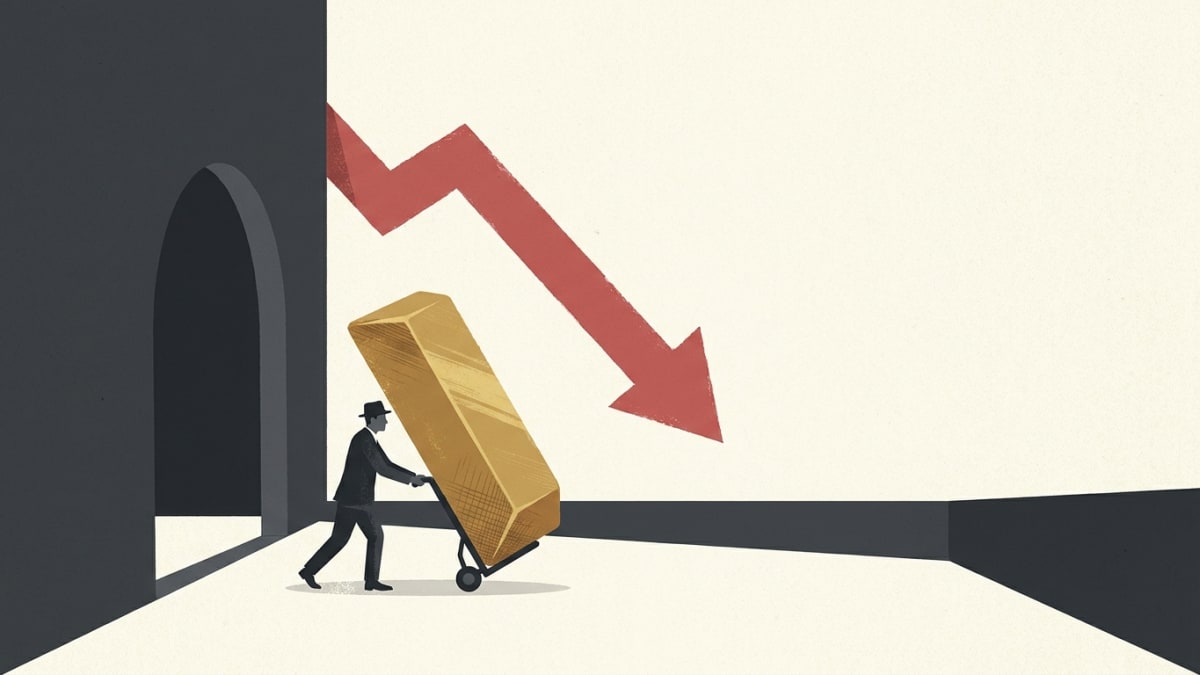
Shell posted a second-quarter profit of $9.84 billion, up from $4.26 billion a year earlier and the company's second-highest quarterly result on record. Brent crude swung from around $73 a barrel before the Iran conflict to above $120 at its peak, giving Shell's trading desk unusually wide margins to exploit. Qatar's Pearl LNG plant has been offline since March after a missile strike, with repairs expected to take about a year, pulling gas output down to 631,000 barrels of oil equivalent a day. The result has revived calls for a windfall tax, while Australian motorists absorbed roughly 8 US cents a litre in extra wholesale petrol costs during the quarter.
KEY TAKEAWAYS
A result shaped by war
Shell posted a quarterly profit of $9.84 billion, more than double the $4.26 billion recorded in the same period a year earlier, making it the company's second-highest quarter on record.verifiedVerified Source: bbc.co.uk[1] The figures came out of Shell's second-quarter results webcast on 30 July 2026. The driver was not a discovery, an acquisition or a cost-cutting programme. It was the Iran war.
Brent crude averaged around $73 a barrel before the conflict began, peaked above $120 at the height of market unrest, then settled below $100 by the end of the quarter.verifiedVerified Source: bbc.co.uk[1] The conflict, which began in late February 2026 and quickly spread to include strikes on energy infrastructure, sent the global oil benchmark into territory not seen for years. For an integrated energy company with one of the largest commodity trading operations in the world, that kind of swing is not a problem to manage. It is a margin to harvest.
How the trading desk won
Shell chief executive Wael Sawan said the volatility in oil and gas prices fattened the company's trading profits.verifiedVerified Source: bbc.co.uk[1] Trading and optimisation profits were significantly higher than in the first quarter, as price swings widened the gap between the cost of lifting oil and the price at which Shell could sell it forward or on the spot market.[1]
An integrated trader with access to refinery capacity, long-term offtake agreements and a global shipping network can capture price differentials that a pure-play producer cannot. When Brent moves $47 a barrel in a single quarter, those differentials multiply across every contract in the portfolio. Sawan said Shell's operational performance enabled very strong results during severe disruption in energy markets.[1] Across the first half of 2026, Shell's adjusted earnings rose 70 per cent compared with the same period a year earlier.[1]
The other side of the ledger
Qatar's Pearl gas-to-liquids plant, one of the largest single LNG facilities in the world and a significant contributor to Shell's gas division, has been offline since March after a missile strike during the Iran conflict.[1] Repairs are expected to take roughly a year, meaning the plant is unlikely to return to full production before early 2027 at the earliest.
With Pearl offline, Shell's gas output fell to 631,000 barrels of oil equivalent per day during the quarter.[1] Oman and the UAE increased shipments to help offset lost Qatari flows, but the peak northern-hemisphere winter demand season in Asia and Europe remains at risk if Pearl stays dark longer than projected. For gas buyers in Asia, including Japan, South Korea and buyers who feed Australia's east-coast gas networks through import terminals, the outage represents a tighter supply picture heading into the colder months of 2026 and 2027.
The windfall tax debate returns
Shell's Q2 result landed in a political environment already sensitive to the optics of energy company profits during a period of consumer price pressure. Environment and consumer advocacy groups renewed calls for a windfall tax on earnings generated during the conflict-driven price spike, arguing that profits built on geopolitical volatility rather than business investment should attract additional levies.[1]
The United Kingdom, where Shell is headquartered, has previously applied an Energy Profits Levy to North Sea producers. Whether the conflict-era trading gains Shell booked in Q2 fall within the scope of that levy, or whether legislators will seek to extend its reach, is a question that will play out as full-year figures become clearer. Shell has not publicly commented on the windfall tax calls beyond its standard position that taxes already paid support the energy transition.
What it means at the Australian petrol pump
For Australian readers, the most direct consequence of the Iran war's effect on oil markets arrived not in a financial report but at the servo. Wholesale petrol prices in Australia climbed by around 8 US cents a litre during the second quarter, reflecting higher oil feedstock costs at the refinery gate as Brent crude surged.[1] With crude now trading below $100, some relief has begun to flow through, though the timing and magnitude depend on the Australian dollar exchange rate and refinery margins.
Australia imports the overwhelming majority of its refined petroleum products, so domestic pump prices track the international crude benchmark with a lag of roughly two to four weeks. The Pearl LNG outage adds a secondary pressure point. Eastern Australia's gas market has become increasingly exposed to international LNG prices since the opening of the country's east-coast export terminals, and a prolonged shortage of Qatari supply tightens the global LNG pool, pushing up the price at which Australian domestic gas competes with export cargoes.
Shell's position in the 2026 energy landscape
Shell operates across more than 70 countries, spanning upstream exploration and production, refining, chemicals manufacturing and a growing low-carbon energy business. Its trading arm, which moves oil, gas and power across global markets, is what transforms upstream price exposure into the kind of result posted on 30 July. Competitors BP and TotalEnergies are expected to report their own second-quarter results in the coming days, and the sector will be watching whether the trading gains were industry-wide or specific to Shell's portfolio positioning.
The 2026 Iran conflict is, by any measure, a defining event for energy markets this decade. Whether its effects persist depends on the trajectory of the conflict itself, OPEC+ production decisions, and the pace at which alternative supply routes fill the gaps left by damaged infrastructure. Shell's Q2 result, at $9.84 billion, is the company's second-highest quarterly profit on record.
SOURCES & CITATIONS
FREQUENTLY ASKED QUESTIONS
Why did Shell's profit more than double in the second quarter of 2026?
What happened to Shell's gas output and why?
How has the Iran war affected petrol prices in Australia?
Is Shell facing a windfall tax on its conflict-era profits?
Alex Mercer writes about technology, energy and infrastructure. He likes the physical end of the story: the plants, the grids and the machines that everything else depends on.