
TLDR
Australia's Sahm rule reading reached 0.6 percentage points after unemployment rose to 4.9 per cent in October, leaving the indicator just 0.15 points below the Australian threshold. Claudia Sahm, who created the rule, said a breach is entirely possible and warned that central banks have a long history of tightening too far.
KEY TAKEAWAYS
Reading sits 0.15 points from the wire
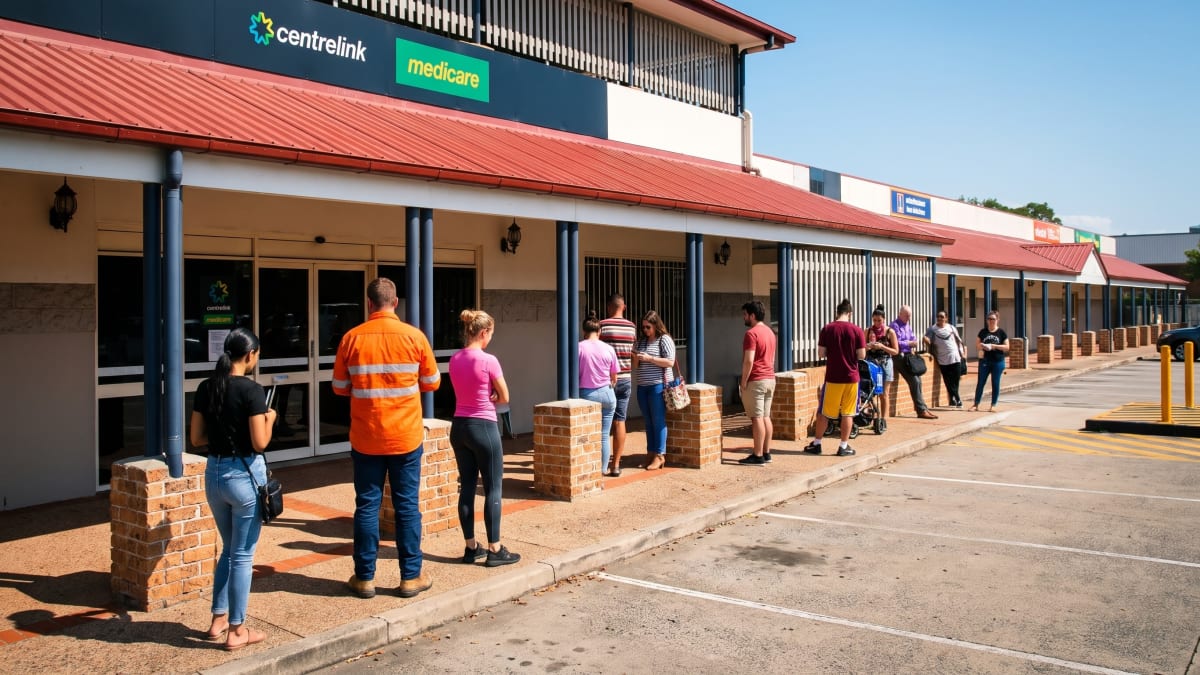
Australia's seasonally adjusted unemployment rate rose to 4.9 per cent in October 2026, with employment falling by 43,500 people during the month.[1] The number of unemployed Australians reached 753,700, up 17,800 from September in seasonally adjusted terms.[1]
Those figures pushed the Australian Sahm rule reading to 0.6 percentage points, measured as the rise in the three-month average jobless rate from its lowest point over the preceding year. The Australian threshold, set by RBA researchers in a January 2020 note, sits at 0.75 percentage points, higher than the 0.5-point version used in the United States.[2] Only 0.15 points separates the current reading from that trigger.
Why Australia uses a higher bar
The Sahm rule measures how quickly unemployment rises, rather than relying on quarterly gross domestic product figures that arrive with a lag. For the United States, the indicator fires when the three-month average unemployment rate is 0.5 percentage points above its 12-month low. RBA researchers judged that bar too sensitive for Australia, where jobless movements have historically been less persistent.
RBA researchers found a 0.5-point threshold would have produced false positives in Australia in late 1986 and late 2013, periods that did not become recessions.[2] The higher 0.75-point bar correctly identified the early-1980s and early-1990s technical recessions, though it also labelled the 2001 dotcom downturn and the global financial crisis as mild recessions.[2]
RBA researchers also cautioned that unemployment alone may not fully capture the effect of a downturn in Australia, because labour-market adjustment can occur through reduced hours worked as well as direct job losses.[2]
Sahm: a warning signal, not a formal call
Claudia Sahm, the former US Federal Reserve economist who created the rule, said an Australian breach of the threshold was plausible. "It is entirely possible that that is where this is headed," she said.[5] Sahm was clear that the indicator is a warning signal rather than a formal recession declaration.
Sahm said the broader danger lay in the self-reinforcing nature of rising unemployment, where job losses weaken household demand and generate further job losses. "So it is a risk. It's a real risk. Central banks have a long history of doing too much, and we end up in recession," she said.[5]
RBA and Treasurer hold their ground
The RBA's November 2026 Statement on Monetary Policy assessed that labour-market conditions had eased but remained a little tight, with the Bank still weighing capacity pressures across the economy.[3] That assessment places the central bank at a different vantage point from the picture suggested by the Sahm reading.
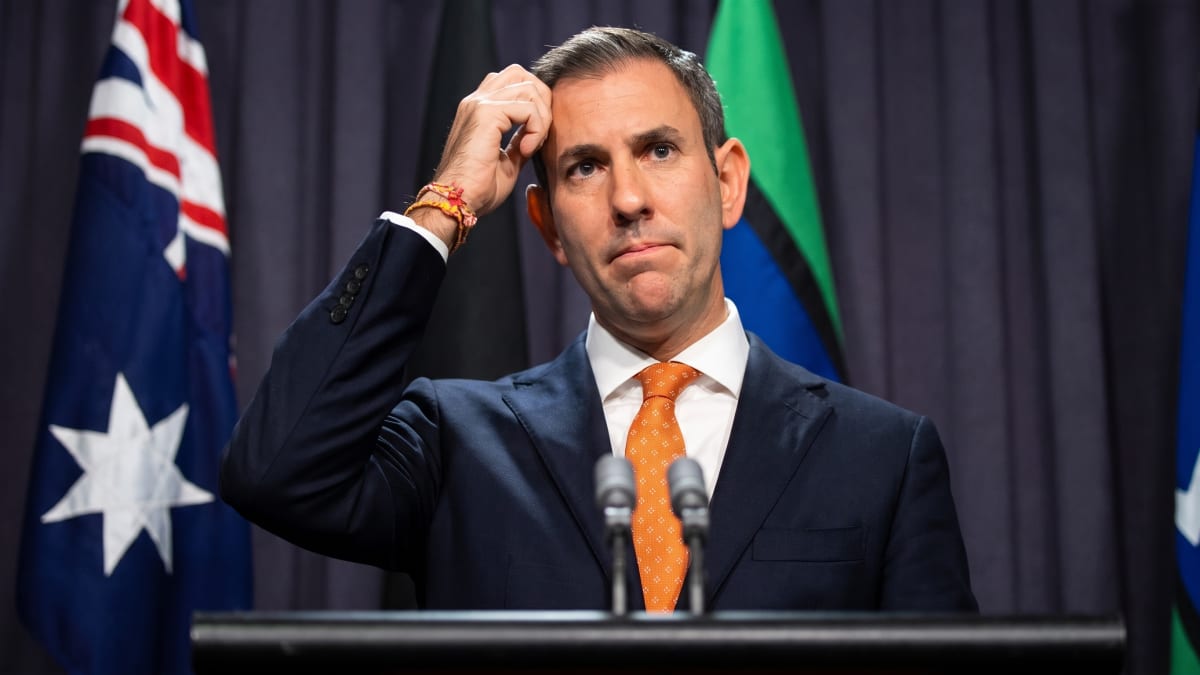
Treasurer Jim Chalmers struck a measured tone after the October labour-force release. "While the labour market eased in October, our unemployment rate remains relatively low and that reflects the resilience of Australia's economy," he said.[4] Chalmers pointed to high participation and employment growth over the year as evidence the economy remained on a stable footing.
The next monthly labour-force figures from the ABS will show whether the Sahm reading moves closer to, or beyond, the 0.75-point trigger.
SOURCES & CITATIONS
FREQUENTLY ASKED QUESTIONS