TLDR
Employment fell by 43,500 in October, pushing unemployment to a five-year high of 753,700 people. The Reserve Bank lifted rates to 4.85 per cent and governor Michele Bullock warned conditions will feel like a recession for many households. September-quarter GDP, due 2 December, is the next decisive test.
KEY TAKEAWAYS
The warning and who is making it
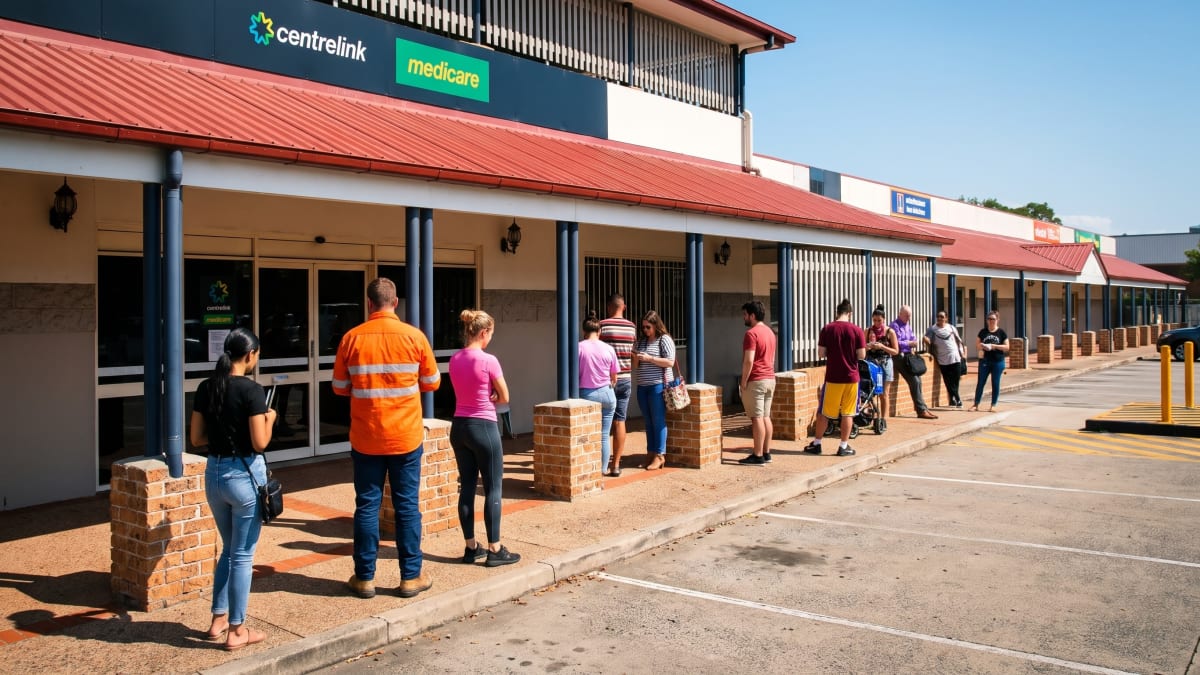
Seasonally adjusted employment fell by 43,500 people in October, lifting the total number of unemployed Australians to 753,700.[1] A deterioration of that scale in a single month can signal weakening output, particularly when productivity growth is poor.
The recession warning rests mainly on the jobs picture rather than a completed run of negative GDP figures. HSBC chief economist Paul Bloxham said: "Recession is clearly a concern."[8] Betashares chief economist David Bassanese went further: "Consecutive large employment declines might suggest the economy already has one foot in recession."[8]
What the evidence shows
The latest published national accounts showed GDP per person was flat in the June quarter after a small fall in the March quarter, stopping short of a fresh per-person contraction.[3] Real household spending rose 0.7 per cent in the September quarter, which works against calling a broad recession on current figures alone.[2]
The ABS flagged that the October labour-force release was affected by sample changes: an incoming South Australian survey rotation group carried a higher unemployment rate than other groups, and weights were adjusted for part of the Victorian sample.[1] Monthly employment estimates can move sharply, and the ABS caveat means the October result warrants confirmation from subsequent releases.
What the RBA and Treasurer say
The Reserve Bank lifted the cash rate to 4.85 per cent on 3 November, saying inflation remained elevated and tighter financial conditions were warranted to return it to target.[5] Governor Michele Bullock, speaking the same day, said the rate settings would weigh on households even as the bank stopped short of forecasting a recession.
"It is going to make people feel like it's a recession because they feel poorer, their spending can't grow very quickly because their incomes aren't growing very quickly," Bullock said.[7] The RBA's November forecasts anticipated below-trend growth and unemployment rising to 5.1 per cent by the end of 2028, while still projecting employment to keep growing overall.[4]
What it would mean for households
A sustained downturn would translate into fewer vacancies, weaker wage bargaining and a greater risk that reduced hours become redundancies. Belinda Allen, Commonwealth Bank head of Australian economics, said the adjustment would not be shared evenly.
"Households will bear the brunt of the needed slowdown in economic activity," Allen said.[6] Commonwealth Bank economists forecast unemployment would peak at 5.1 per cent late next year, with annual GDP growth slowing to 1 per cent by mid-2027.[6]
The case against a recession call
Commonwealth Bank's formal position describes a sharper and longer slowdown rather than a technical recession.[6] The ABS sample-change caveat on the October data means the employment fall should be treated with some caution until subsequent months confirm the trend.
Australia cannot yet be measured against the standard two-consecutive-quarters definition of recession using current data, because the September-quarter GDP release is scheduled for 2 December 2026.[3] That release will be the first point at which a technical recession can either be confirmed or ruled out for the period to September.
SOURCES & CITATIONS
- Labour Force, Australia, October 2026
- Monthly Household Spending Indicator, September 2026
- Australian National Accounts: National Income, Expenditure and Product, latest release
- Statement on Monetary Policy, November 2026: Outlook
- RBA Media Release: Cash Rate Decision, 3 November 2026
- CommBank economists: households face sharper, longer slowdown
- Governor Bullock speech, 3 November 2026
- Economists warn Australia's jobs market looks like a recession, ABC News
FREQUENTLY ASKED QUESTIONS