TLDR
Australia's unemployment rate climbed to 4.9 per cent in October, its highest in five years, after the economy shed 43,500 jobs. The result lands above the Reserve Bank's own forecast and makes another rate rise in December less likely.
KEY TAKEAWAYS
Jobs market sheds 43,500 positions in a single month
Australia's seasonally adjusted unemployment rate rose to 4.9 per cent in October, the highest reading in five years.[1] The October result reduces the case for a further rate rise at the Reserve Bank's December board meeting.
ABS head of labour statistics Sean Crick said the October labour force figures showed fewer employed people and more unemployed people compared to September, marking a sharp month-on-month deterioration.[1] The economy had 43,500 fewer people in work, while the number of unemployed people increased by 17,800.
ABS urges caution on the headline number
The ABS advised against reading too much into the short-term movement. The trend unemployment rate, which smooths monthly swings, rose to 4.8 per cent, and the bureau said that one incoming South Australian survey rotation group recorded a higher unemployment rate than other groups, which can lift the headline figure.[1]
That statistical quirk means the 4.9 per cent headline may overstate the degree of softening in the underlying jobs market.
RBA forecast already overtaken by the data
The Reserve Bank's November forecasts, finalised before the October labour force figures were released, had unemployment averaging 4.7 per cent across the December quarter.[2] October's 4.9 per cent result already sits above that quarterly average, complicating any argument for lifting rates in December.
Governor Michele Bullock said in September that she thought an unemployment rate between 4.5 and 5 per cent would probably take enough heat out of the labour market to ease pressure on inflation.[3] At 4.9 per cent, October's result sits inside that range. Sunny Nguyen, head of Australia economics at Moody's Analytics, said the data "all but closes the door" on a pre-Christmas rate rise, the Guardian reported.[6]
Government and opposition trade competing readings
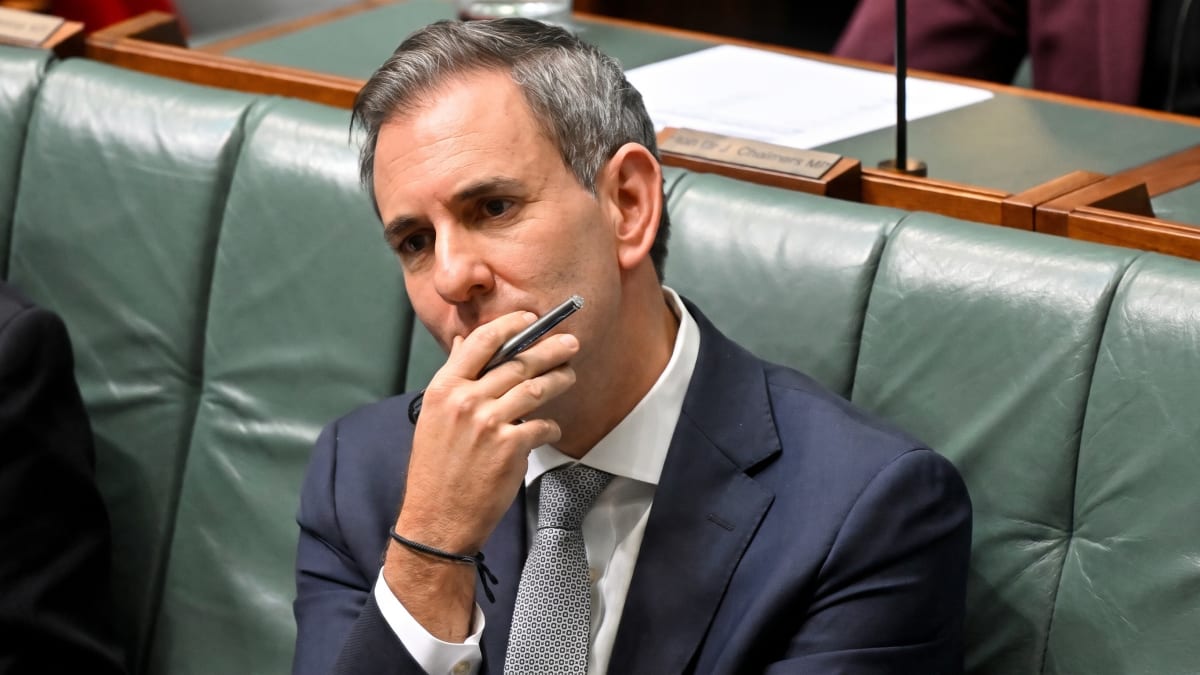
Treasurer Jim Chalmers, responding after the September figures, said labour market conditions were easing but described unemployment as low by historical standards, attributing some pressure to global volatility and higher interest rates.[4] "Today's job figures show some easing of labour market conditions but Australia's unemployment rate remains low by historical standards," Chalmers said.
The opposition said after the September result that unemployment had reached a five-year high and argued the government should create conditions for businesses to invest, grow and employ more Australians.[5] The Shadow Treasurer said policy should be driving unemployment, spending, inflation and interest rates down rather than in the opposite direction.[5]
Both reactions were originally made in response to the September figures. October's 4.9 per cent reading represents a further deterioration, and the RBA's next board meeting on monetary policy is scheduled for December.
SOURCES & CITATIONS
- Labour Force, Australia, October 2026, ABS
- Statement on Monetary Policy, Overview, November 2026, RBA
- Fireside chat with Governor Michele Bullock at the CEDA Lunch, 22 September 2026, RBA
- Australia's job market remains resilient amid global economic uncertainty, Minister for Employment
- National and youth unemployment at five-year highs, Liberal Party of Australia
- Unemployment rate jumps to 4.9 per cent, The Guardian
FREQUENTLY ASKED QUESTIONS