TLDR
Croatian police arrested Vladimir Z., a Ukrainian national, in Pula on 19 August 2026 under a German warrant over the 2022 Nord Stream pipeline bombings. Prosecutors allege he helped plant the explosives as part of a group led by a former Ukrainian army officer already facing charges in Hamburg.
A second arrest in Europe's biggest act of infrastructure sabotage
The Nord Stream blasts in September 2022 were, by volume of gas lost and by political consequence, the most disruptive act of sabotage to European energy infrastructure in living memory. Nearly four years on, German prosecutors are methodically building a criminal case, and the arrests are now coming in foreign ports.
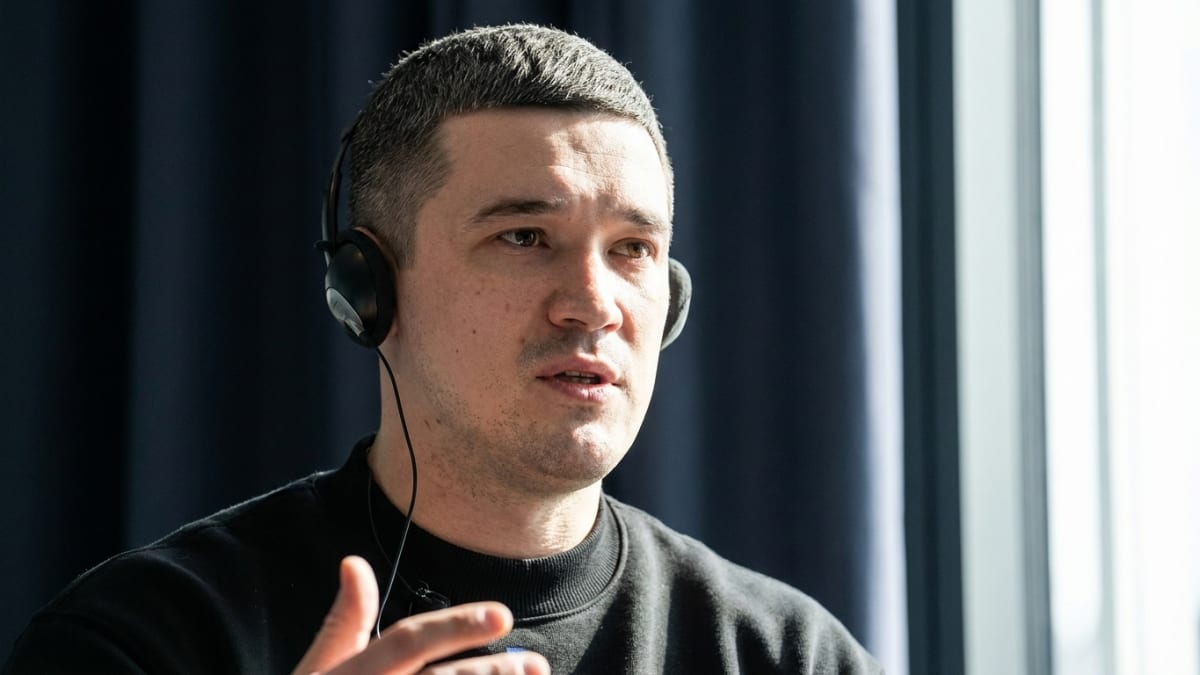
Croatian police detained Vladimir Z. in the Adriatic port city of Pula on 19 August 2026, acting under a European Arrest Warrant issued by the investigating judge at Germany's Federal Court of Justice on 3 June 2024.[1] The operation was coordinated through the Zagreb General Police Directorate. Vladimir Z. is the second Ukrainian national to face arrest in connection with the blasts.
What prosecutors allege he did
The Federal Public Prosecutor's Office said Vladimir Z. is a trained scuba diver.[1] Prosecutors allege he was part of a group that planted explosives on the Nord Stream 1 and Nord Stream 2 pipelines near the Danish island of Bornholm in September 2022.[1] Diving skills were not incidental to the operation: the pipelines sit on the floor of the Baltic Sea, and placing charges on them required underwater work at depth.
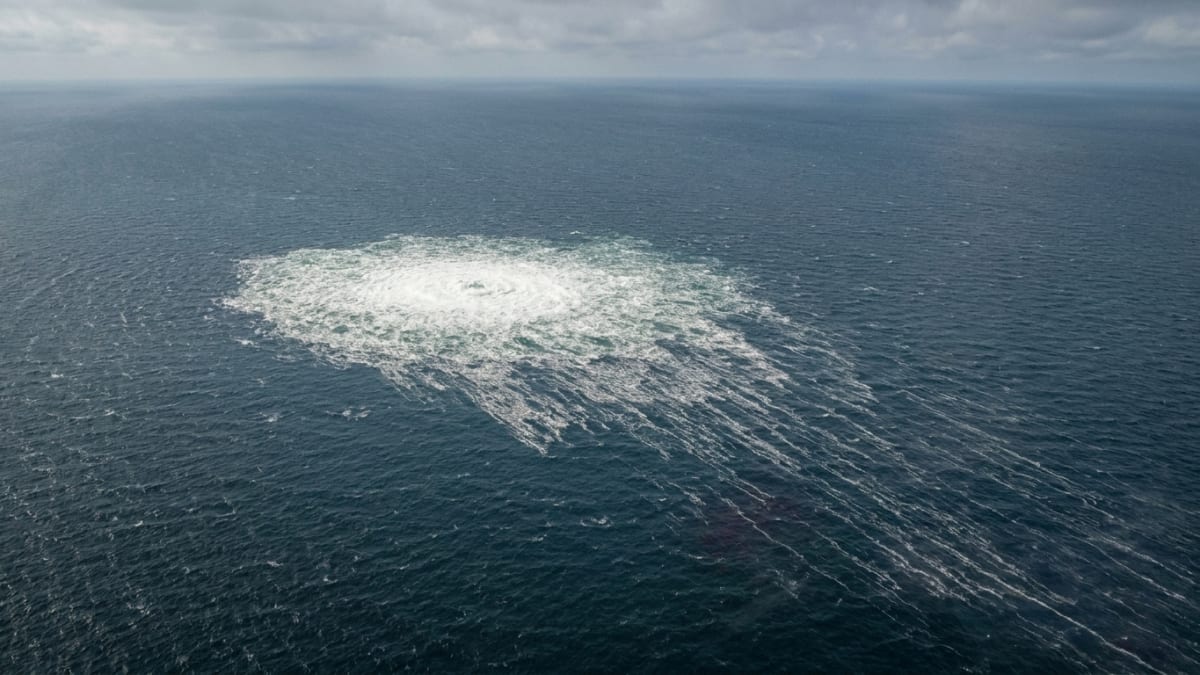
According to the Federal Public Prosecutor's Office, the explosives detonated on 26 September 2022, causing substantial damage to both pipelines.[1] Both Nord Stream 1 and Nord Stream 2 were struck. The simultaneous targeting of two separate pipelines pointed to a coordinated effort rather than opportunistic damage.
The alleged ringleader and the Hamburg indictment
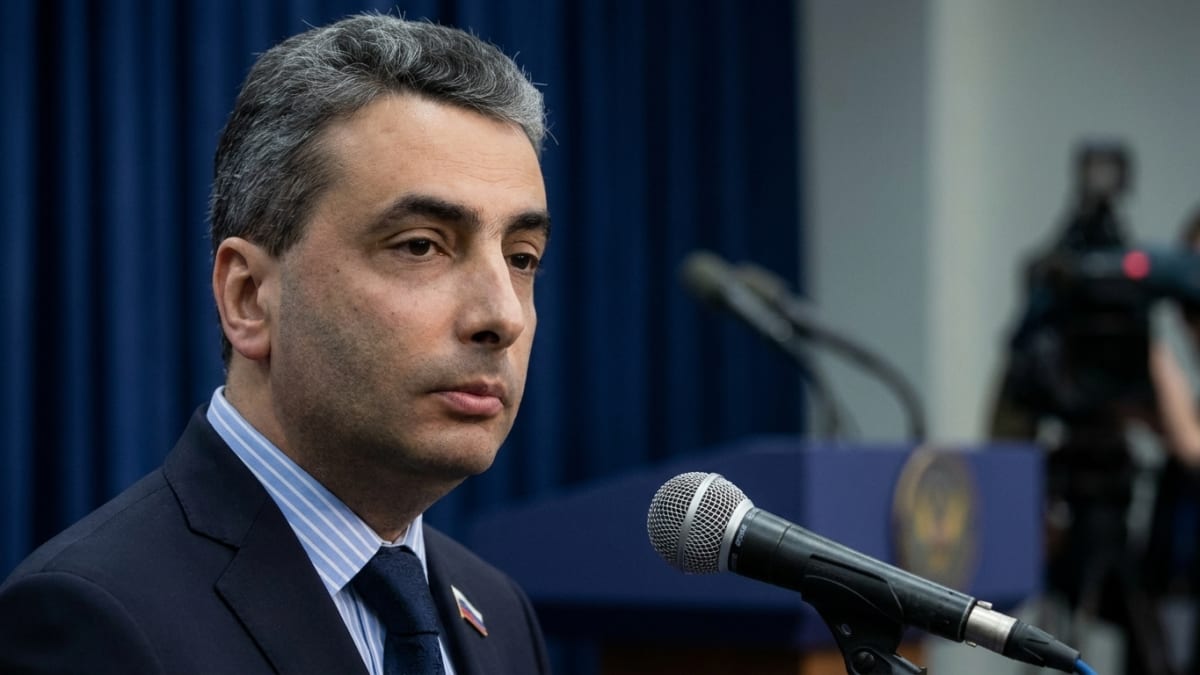
On 30 June 2026, the Federal Public Prosecutor's Office filed an indictment against Serhii K. before the Hanseatic Higher Regional Court in Hamburg, charging him with co-perpetration of a war crime, causing an explosion, destruction of structures, and disruption of public utilities.[2] That indictment came roughly six weeks before the Pula arrest, suggesting German investigators have been working through a list of suspects.
Prosecutors allege Serhii K. is a Ukrainian army officer who planned and led the operation on behalf of Ukrainian state bodies.[2] The war crimes charge places the alleged sabotage within the framework of international humanitarian law, a characterisation that carries political weight well beyond the criminal proceedings. Alongside the more conventional counts of causing explosions and disrupting public utilities, that charge signals prosecutors are treating this as an act connected to the wider armed conflict in Ukraine, not merely a criminal one.
The allegation that Serhii K. acted on behalf of Ukrainian state bodies is prosecutorial assertion, not established fact.[2] Both he and Vladimir Z. are presumed innocent. The Hanseatic Higher Regional Court has not yet determined whether to proceed to trial on the Hamburg indictment.
What Nord Stream was and why it mattered
Nord Stream 1 and Nord Stream 2 were twin natural gas pipelines running under the Baltic Sea from Russia directly to Germany, built to bypass the transit countries of central and eastern Europe. Nord Stream 1 alone carried roughly half of Germany's annual gas consumption before the blasts, and together the two lines formed the centrepiece of a decades-long German energy strategy built on stable, low-cost Russian supply.
The September 2022 explosions near the Danish island of Bornholm severely damaged both pipelines, cutting off a supply route that had carried gas to western Europe for years and intensifying a continent-wide energy crisis already inflamed by Russia's full-scale invasion of Ukraine.[1] Gas prices spiked across Europe in the months that followed. Governments scrambled to secure replacement supply from liquefied natural gas terminals and alternative pipeline routes.
The destruction also removed the infrastructure that would have been needed for any future resumption of large-scale Russian gas exports to Germany, making it a political fact as much as a physical one. Who ordered it has been a question consuming intelligence agencies and investigators across several countries since late 2022.
The investigation and what comes next
Germany's Federal Court of Justice issued the arrest warrant for Vladimir Z. on 3 June 2024, more than two years before the Pula arrest was executed.[1] The gap between warrant and arrest reflects the difficulty of locating and detaining suspects who move across borders. European Arrest Warrants require the executing state to surrender a person to the issuing state once the warrant is validated, and Croatia's handling of the warrant through the Zagreb General Police Directorate followed that process.
Vladimir Z. will now be subject to extradition proceedings to face the German courts. The Hamburg trial of Serhii K. had not been scheduled at the time of the Pula arrest, and whether the two cases will eventually be joined, or whether further suspects remain at large, has not been disclosed by prosecutors.
The Nord Stream investigation spans multiple countries and has drawn competing theories about ultimate responsibility, ranging from state-level actors to private operatives. German prosecutors have not publicly named any state as having ordered the attack beyond the allegations directed at Serhii K. personally and the claim that he acted for Ukrainian state bodies. Those allegations will be tested in court.
KEY TAKEAWAYS
SOURCES & CITATIONS
FREQUENTLY ASKED QUESTIONS
Who is Vladimir Z. and why was he arrested?
Who is Serhii K. and what charges does he face?
When were the Nord Stream pipelines blown up?
Why did the Nord Stream blasts matter to European energy supply?
Samuel Abiola writes about inequality and social policy. He works close to the research and is interested in what the numbers mean for the people counted in them.