

TLDR
Japan's central bank lifted its overnight rate to 1.25 per cent on 18 September 2026, the highest level since 1995, citing oil-driven inflation and a weak yen. The move follows the US Federal Reserve's first rate rise since 2023, and Australian futures markets now price an 88 per cent chance the RBA tightens on 29 September.
KEY TAKEAWAYS
The decision
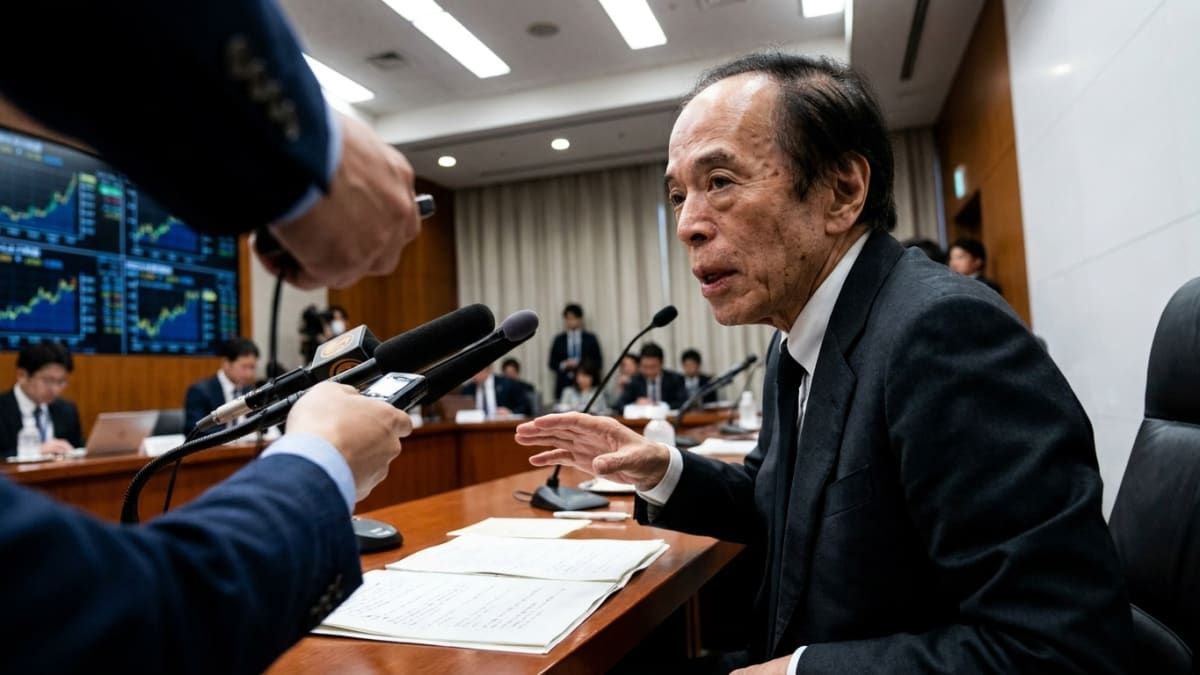
The Bank of Japan's Policy Board voted 7 to 2 on 18 September 2026 to lift its overnight call rate target to 1.25 per cent, effective 24 September.[1] The board simultaneously raised the rate on its complementary deposit facility to 1.25 per cent and the basic loan rate to 1.5 per cent.[1]
At 1.25 per cent, the overnight call rate sits at its highest level since 1995, rising faster than at any point since the Bank ended its negative rate policy in March 2024.[1] The board said Japan's producer price index rose briskly year-on-year, driven by high crude oil prices, yen depreciation and expanding AI-related demand.[1]
The Bank of Japan's policy statement said the board would encourage the uncollateralised overnight call rate to remain at around 1.25 per cent.[1] The September rise came just three months after a June increase, a pace of tightening Japan has not sustained in a generation.
What 1.25 per cent means for Australia
The yen carry trade has supported demand for Australian dollar assets for years: funds are borrowed in yen at low rates and deployed into higher-yielding assets such as Australian government bonds. When the funding currency's rate rises, the profitability of those leveraged positions falls and capital tends to flow back toward Japan, reducing demand for target-currency assets.[5]
Australia's LNG exports to Japan add another layer. Between March and June 2026, non-Gulf LNG production grew almost 18 per cent year-on-year. That offset around three-quarters of the decline in Gulf LNG deliveries, according to the International Energy Agency's Gas Market Report for the third quarter of 2026.[6] A stronger yen lowers the yen-denominated cost of those imports for Japanese buyers, which can soften demand for volume increases.
The RBA on deck
Two days before the Bank of Japan moved, the US Federal Reserve raised its federal funds target range by a quarter point to 3.75 to 4.00 per cent. The vote was unanimous, 12 to 0, and it was the first increase since 2023.[2] Back-to-back decisions from two of the world's largest central banks have sharpened attention on the Reserve Bank of Australia's next move.
ASX Rate Tracker data at the close of trading on 28 August 2026 placed an 88 per cent probability on the RBA lifting its cash rate at the 29 September board meeting.[4] The RBA has held the cash rate at 4.35 per cent since 12 August 2026.[3]
Governor Michele Bullock acknowledged the pressure on households in August. The increases have been tough for households with mortgages who also face high inflation, she said. But the board judges financial conditions to be somewhat restrictive and helping to slow the economy, which is needed to bring inflation down.[7]
For borrowers watching the 29 September meeting, the numbers are straightforward. A variable mortgage of $700,000 at 6.5 per cent carries monthly repayments of roughly $4,420; a further quarter-point rise to 6.75 per cent adds around $110 per month to that figure.
SOURCES & CITATIONS
- Bank of Japan Monetary Policy Decision, September 18 2026
- Federal Reserve Press Release, September 16 2026
- RBA Cash Rate Target Overview
- ASX RBA Rate Tracker
- BIS Bulletin 124: Monetary Policy Transmission, Exchange Rates and Currency Carry Trades
- IEA Gas Market Report Q3 2026
- Michele Bullock speech, August 11 2026
FREQUENTLY ASKED QUESTIONS
Why did the Bank of Japan raise rates in September 2026?
How does Japan raising rates affect Australian mortgage holders?
What is the current RBA cash rate?
Fiona Sterling writes about superannuation, tax and personal finance. She takes rules that are written to be confusing and explains what they mean for the money in your account.


