
TLDR
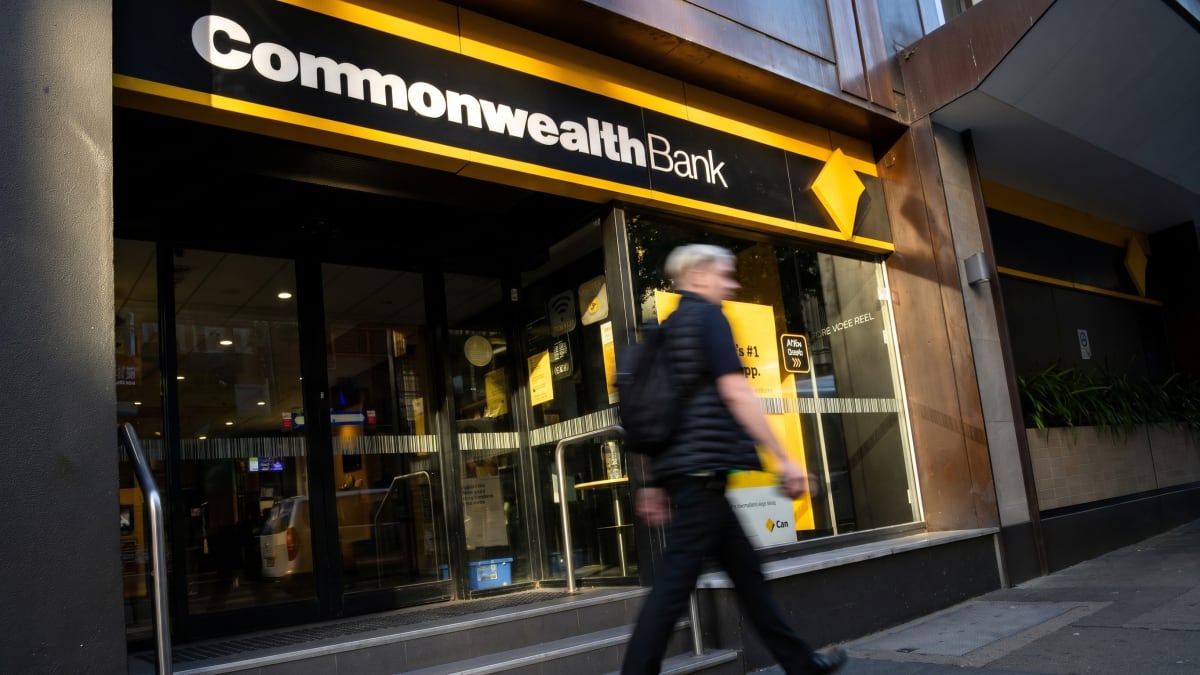
ASIC has launched civil penalty proceedings against Commonwealth Bank, alleging about 42,000 CommBiz business customers were charged an undisclosed fee on Direct Debit and Direct Credit payments. CBA has already paid more than $26.4 million in remediation including interest, but disputes how some allegations have been framed.
The alleged fee and how it worked
ASIC filed civil penalty proceedings against Commonwealth Bank of Australia on 12 November 2026, alleging CommBiz terms and conditions did not clearly disclose all fees payable on Direct Debit and Direct Credit payments.[1] ASIC alleges customers were charged a second, undisclosed amount for the corresponding movement of money into or out of their CommBiz account, a charge the regulator describes as a contra-leg fee.
ASIC's concise statement gives a worked example: a small business paying 10 employees from two CommBiz accounts was charged 12 fees, including two charges for withdrawals from its own accounts, when it had been told only one fee applied per transaction.[2] CBA's ASX announcement puts the disputed contra-leg component at 25 cents plus GST per transaction.[3]
Scale: customers, dollars and the penalty period
ASIC's court filing alleges the overcharging began in December 2006 and continued to 31 May 2025, affecting about 93,000 CommBiz customers, including about 40,000 small businesses, and totalling about $21 million.[2] The civil penalty case covers a narrower window: ASIC alleges about 42,000 customers were overcharged about $8.5 million between 12 November 2020 and 31 May 2025.[2]
ASIC also alleges CBA's own 2016 internal audit identified Direct Debit overcharging, required corrective action and rated the relevant control environment red and unsatisfactory.[2] The regulator says at least 13 serious customer complaints were raised from February 2015 through to 2025, and CBA has not admitted those allegations in the proceedings.
ASIC Commissioner Alan Kirkland said the bank had broken a basic promise to its customers. "We allege Commonwealth Bank broke a basic promise to its business customers, many of them small businesses, that the fees it told them they would pay were the fees they would actually be charged," Kirkland said.[1] Kirkland added: "Small businesses are busy enough. They should not have to scrutinise every transaction to make sure that their bank is charging them the right fees."
CBA's response: self-identification, remediation and partial defence
CBA said it self-identified the matter, reported it to ASIC and completed remediation for impacted customers charged the relevant fee since December 2006.[3] The bank said amendments intended to simplify its terms and conditions had not accurately reflected the fee-charging method.
As at 20 October 2026, CBA had paid more than $26.4 million in remediation to about 93,000 past and current CommBiz customers, with a median payment of about $85 and a mean of about $442, both figures including interest.[3] CBA said in its ASX announcement that it did not accept how some allegations had been formulated and expected to defend certain aspects of the claim or continue engaging with ASIC to resolve it. "While CBA accepts that it did not get things right for CommBiz customers and apologises to all customers impacted by this matter, CBA does not accept the way that some allegations have been formulated," the bank said.[3]
ASIC is seeking declarations, pecuniary penalties, adverse publicity orders, ancillary orders and costs. The Federal Court had not yet listed the matter for a case-management hearing as at the date of filing.[1]
Where this fits: ASIC's enforcement run against big banks
The CBA proceedings follow a run of enforcement actions against major Australian banks in 2026. At a parliamentary joint committee hearing in May, ASIC said it had secured $250 million in combined civil penalties from ANZ for widespread misconduct and systemic risk failures, and a $26 million fine against Westpac for hardship failures.[4]
Kirkland said the CBA case carried a broader message for the sector. "This action should serve as a warning to banks that failing to get the basics right will attract ASIC attention," he said.[1] The Federal Court is yet to schedule the first case-management hearing.
KEY TAKEAWAYS
SOURCES & CITATIONS
FREQUENTLY ASKED QUESTIONS