TLDR
The COP31 climate summit in Antalya closed without agreement, running 44 hours past its scheduled end to become the longest UN climate conference ever held. The proposed deal was rejected after it omitted fossil fuels, with the EU accusing oil states of hijacking the talks.
KEY TAKEAWAYS
Summit collapses after record overtime
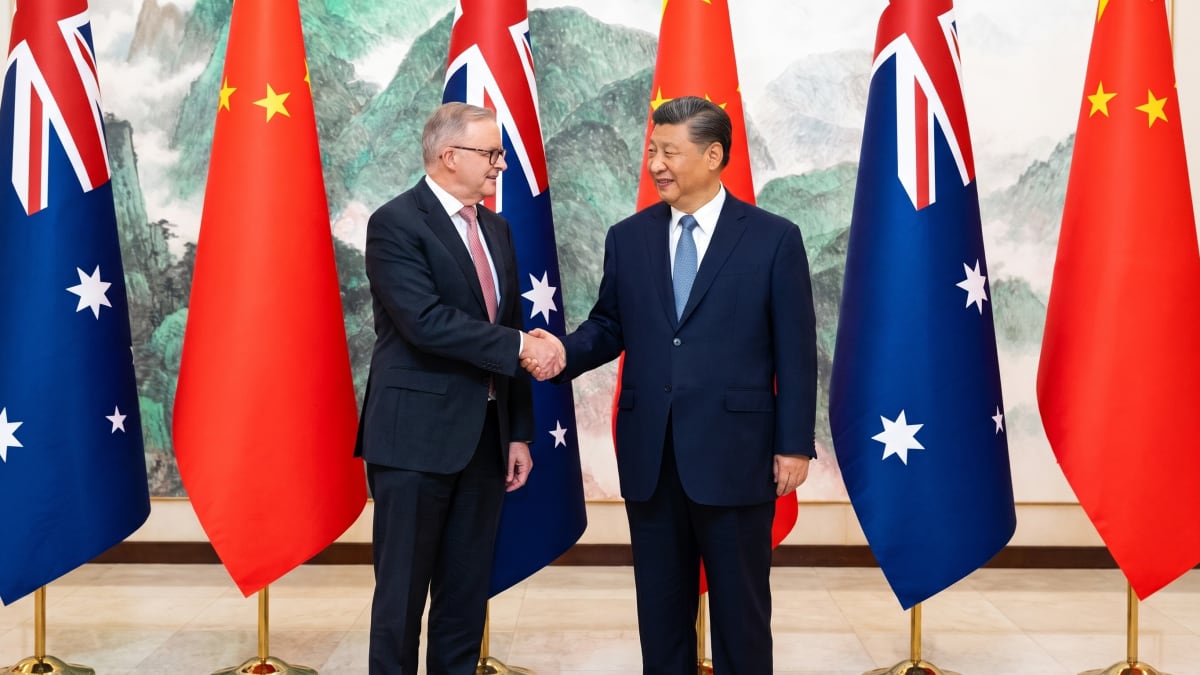
The COP31 UN climate summit in Antalya closed on 22 November 2026 without consensus, 44 hours after its official scheduled end, making it the longest UN climate conference on record.[1] The conference had been formally convened from 9 to 20 November under a joint Türkiye-Australia presidency arrangement.[2]
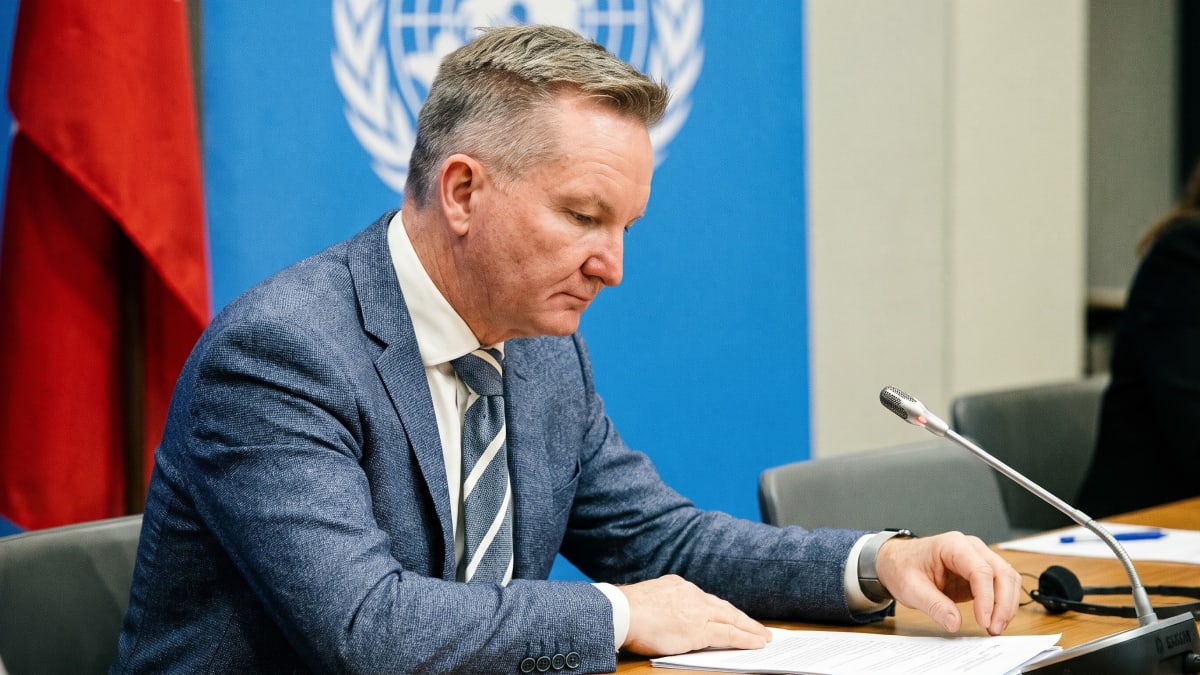
Murat Kurum, Türkiye's Minister of Environment, Urbanization and Climate Change, served as COP31 President.[3] Chris Bowen, Australia's Minister for Climate Change and Energy, held the role of President of Negotiations under the co-presidency arrangements.[4]
Why the deal failed
The main deal, put forward by Australia and Türkiye, was rejected by the 27-nation European Union and several other parties because it contained no mention of fossil fuels.[5] Darragh O'Brien, Ireland's Minister for Climate, Energy and the Environment, speaking for the EU presidency, said the COP31 climate summit had been hijacked by some oil states.[5]
Russia and Saudi Arabia backed removing fossil fuel language from the text. Developing nations also said a proposed pledge to triple climate finance fell short because it carried no baseline figure.[1]
Kurum gave negotiators roughly three hours to raise objections to the final draft before the process collapsed. Bowen called the result "very disappointing", saying Australia had "left nothing on the field".[5] UN Secretary-General António Guterres said he shared the very profound frustration of all those who expected governments to rise to the moment the climate crisis demands.[1]
Earlier climate obligations, including those under the Paris Agreement, remained in force despite the absence of an overarching COP31 outcome.[6]
SOURCES & CITATIONS
FREQUENTLY ASKED QUESTIONS