TLDR
Australia agreed to open a formal artificial intelligence dialogue with China following Anthony Albanese's meetings with Xi Jinping at APEC in Shenzhen and Premier Li Qiang in Beijing. No timetable, venue or safeguards for the talks had been made public, and a security analyst has previously warned that AI cooperation with Beijing risks long-term digital dependency.
KEY TAKEAWAYS
Dialogue agreed, details withheld
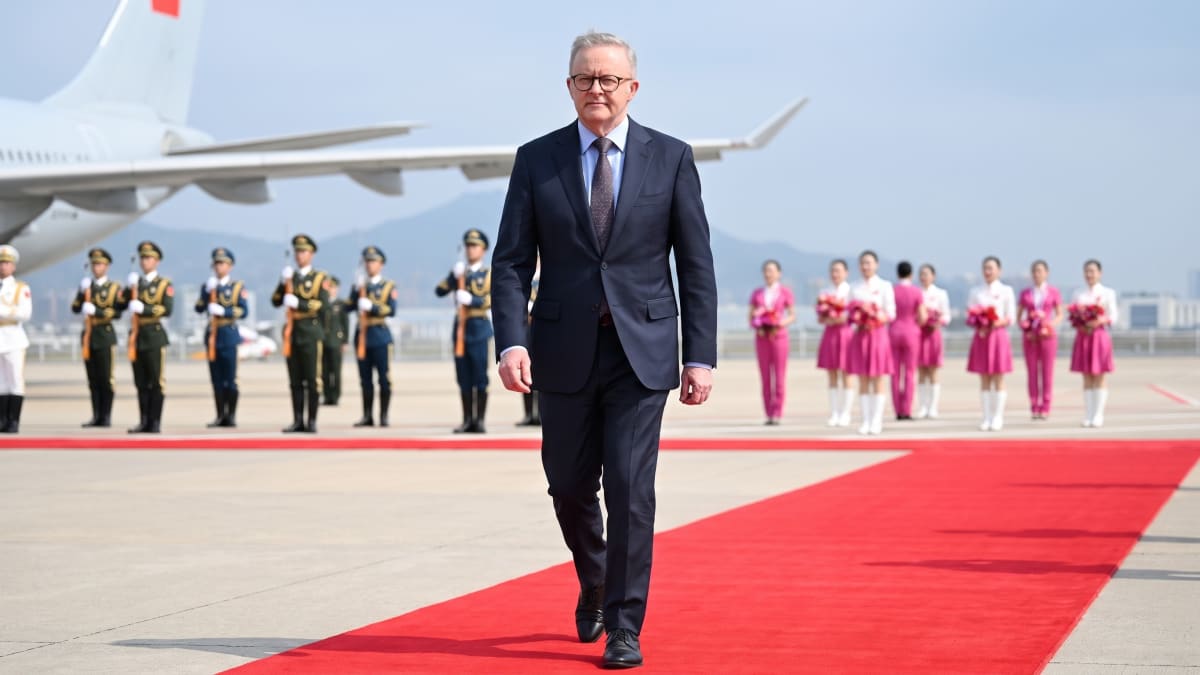
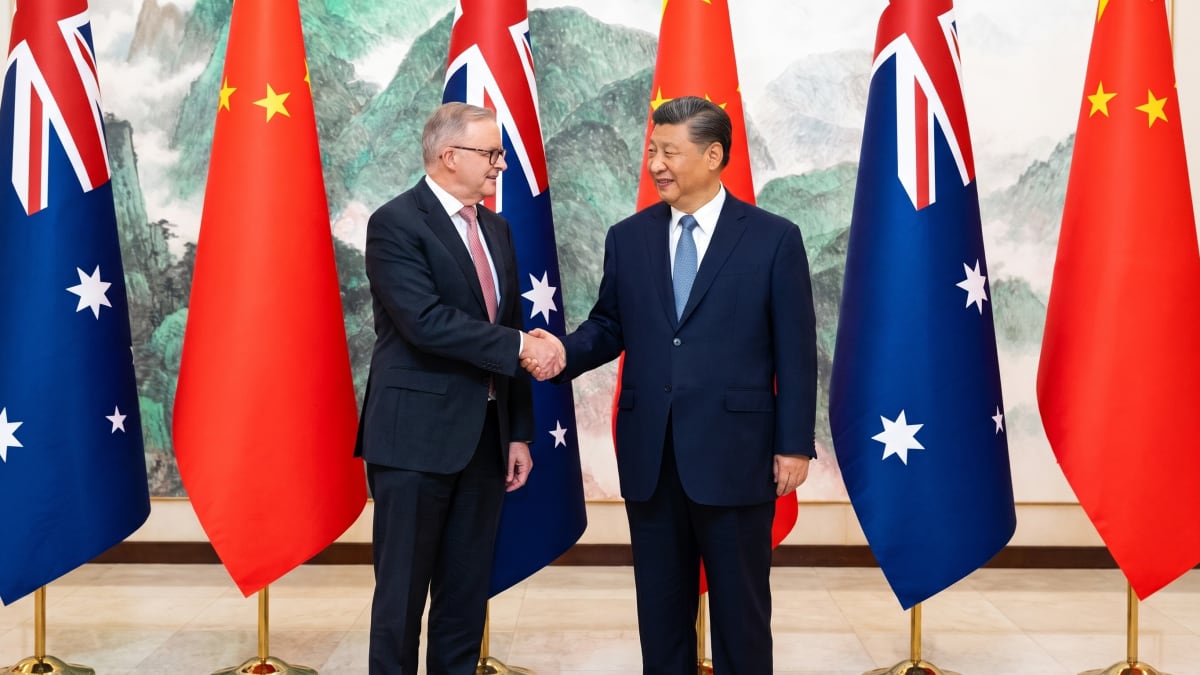
Australia and China agreed to open a formal artificial intelligence dialogue after Prime Minister Anthony Albanese met Chinese Premier Li Qiang in Beijing on 20 November, following a bilateral summit with President Xi Jinping at the APEC Economic Leaders' Meeting in Shenzhen.[1] No public instrument setting out the dialogue's timetable, participants, scope or safeguards had been released at the time of the agreement.[2]
The arrangement was framed as a channel for the two governments to exchange experience as they confront AI regulation and adoption. Albanese said Australia wanted regional partners to collaborate on safe and responsible AI deployment under national standards, and that investment would proceed on Australia's terms.[2]
What Xi and Albanese each said
Xi used the Shenzhen meeting to declare there had been a "complete turnaround" in China's relations with Australia despite ongoing "differences", the ABC reported.[8] China's official account quoted him telling Albanese: "China and Australia, which have no historical grievances or fundamental conflict of interests, should become partners that trust each other and help each other succeed."[1] China's official account of the meeting called for expanded cooperation in emerging sectors including the digital industry and artificial intelligence.[1]
Albanese drew a clear line in his public remarks. "We are doing this the Australian way to ensure that AI investment is done on Australia's terms," he said.[2] The two governments' characterisations of the agreement sat well apart even as the language of engagement grew warmer.
Unresolved disputes
Australian beef exporters continued to face a Chinese tariff after reaching the annual quota, with Albanese saying Australia would rather not have any quotas on its goods.[3] The case of Australian citizen Dr Yang Jun, who received a suspended death sentence in China, also remained unresolved, with Foreign Minister Penny Wong saying when he was sentenced in February 2024 that Australia would not relent in its advocacy for justice for Dr Yang's interests and wellbeing, including appropriate medical treatment.[4]
Military conduct remained a live point of friction. The Department of Defence said a Chinese naval helicopter forced an Australian MH-60R helicopter to take evasive action in the Yellow Sea in March and described the encounter as unsafe and unprofessional.[5] Australia raised military safety directly with China at the Defence Coordination Dialogue in Beijing in September, warning that unsafe conduct risked miscalculation or escalation.[6]
The sceptical case
Fergus Ryan, a senior analyst at the Australian Strategic Policy Institute, warned before Albanese's July 2025 visit to China that AI engagement with Beijing could produce long-term digital dependency and argued Australia needed to scrutinise who controlled the platforms underlying any cooperation.[7] "Beijing isn't just pitching AI cooperation; it's laying the groundwork for long-term digital dependency," Ryan wrote at the time.[7]
The AI dialogue agreement also sat alongside Canberra's existing security commitments, including a United States-led declaration focused on protecting AI supply chains and sensitive technology from foreign interference.[8] No mechanism for independent oversight of the dialogue had been confirmed publicly by the close of the Shenzhen and Beijing meetings.
SOURCES & CITATIONS
- Xi Jinping meets Anthony Albanese, Chinese Embassy Papua New Guinea
- APEC CEO Summit remarks, Prime Minister of Australia
- Press conference Shenzhen, Prime Minister of Australia
- Press conference transcript, Foreign Minister Penny Wong
- Statement on unsafe interaction, People's Liberation Army Navy, Australian Department of Defence
- 2026 Australia-China Defence Coordination Dialogue, Australian Department of Defence
- Albanese's China visit: views from ASPI analysts, ASPI Strategist
- Australia strikes deal on AI talks with China, ABC News
FREQUENTLY ASKED QUESTIONS