TLDR
Australia added 76,300 jobs in June 2026, pushing total employment to 14,823,300 while the unemployment rate held at 4.4 per cent, well above what markets had anticipated. ASX interbank futures moved to imply a cash rate of 4.43 per cent for August, consistent with a further 25-basis-point rise. Wage growth running at 3.3 per cent annually is sustaining the inflation pressure the Board has flagged as its central concern. Scheduled mortgage and consumer credit repayments are already at an 11 per cent share of household disposable income, a two-year high, leaving households with little room to absorb another rise.
KEY TAKEAWAYS
What the numbers actually said
The Australian Bureau of Statistics released June 2026 labour force data on 23 July showing employment rose by 76,300 people, or 0.5 per cent, to 14,823,300 in seasonally adjusted termsverifiedVerified Source: abs.gov.au.[1] The unemployment rate held at 4.4 per cent, unmoved from the prior month.
The margin of surprise matters. Labour markets at this stage of a tightening cycle are supposed to soften as higher borrowing costs squeeze hiring budgets, and a gain of this size signals that monetary policy has so far done little to slow job creation.
Why a tight labour market feeds the rate argument
Low unemployment forces employers to compete for workers, bidding up wages. Those wages support household spending, which sustains demand and keeps prices elevated, which is precisely the chain the Reserve Bank Board is trying to interrupt.
The ABS Wage Price Index rose 0.8 per cent in the March quarter 2026 and 3.3 per cent over the year to March 2026verifiedVerified Source: abs.gov.au, sustaining the kind of wage pressure the Board has explicitly flagged as an inflation risk.[2] Annual wage growth at that pace does not guarantee an inflation overshoot on its own, but it narrows the Board's tolerance for further positive labour market surprises considerably.
Where money markets moved
Financial markets express rate expectations through 30-day interbank cash rate futures. Those contracts are not editorial opinion; they are bets with real money behind them, and prices shift whenever participants recalibrate their view of Board behaviour.
ASX 30-day interbank cash rate futures for August 2026 settled at 95.570 on 8 June 2026, implying an overnight cash rate of 4.43 per centverifiedVerified Source: asx.com.au.[3] With the current cash rate target sitting at 4.35 per cent following 25-basis-point rises at both the February and March 2026 Board meetings, that implied rate represents a market consensus that a fourth consecutive rise is now more likely than a hold.
The Board's scheduled meeting calendar in 2026 runs February, March, May, August, October and December. August is the next live meeting, and the June employment print lands squarely in the data window the Board will weigh when it sits.
Chalmers and Ellis read the same data differently
Treasurer Jim Chalmers said the labour market's performance remained a source of genuine strength. "The unemployment rate fell to 4.4 per cent in May, remaining low by historical standards and demonstrating that the labour market is one of our key strengths in this period of global economic uncertainty," Chalmers said.[4]
Chalmers also said, "This means there are now 147,500 more people in jobs than a year ago, which is good news for the Australian economy. Since our government was elected, more than 1.25 million new jobs have been created."[4] What the Treasurer celebrates as resilience, the RBA Board reads as inflationary persistence.
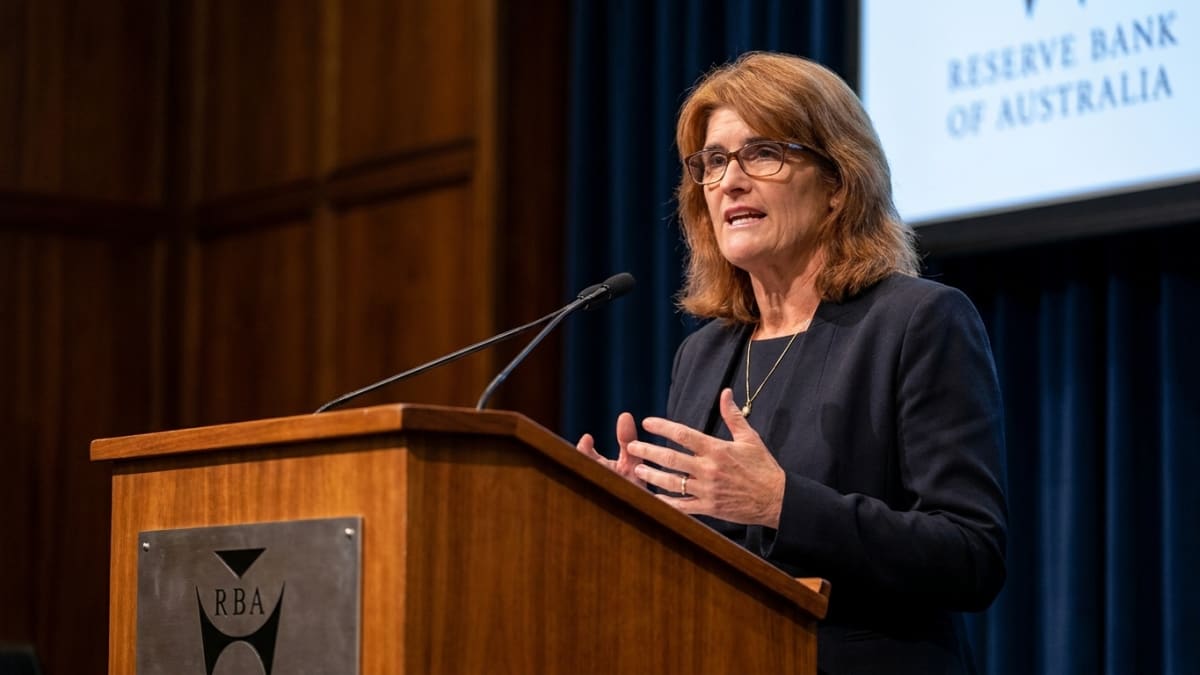
Westpac Chief Economist Luci Ellis framed the post-June Board meeting in terms that left little room for ambiguity. "The post-meeting statement added an explicit reference to the possibility of lifting rates again if required, a signal the Bank wanted to curb market talk that the hiking cycle had ended," Ellis said.[5] Ellis went further: "Westpac's base case remains that rates could rise again, with a possible move as early as August if inflation data stays firm."[5]
What another rise means for households already stretched
Scheduled mortgage and consumer credit payments stood at 11 per cent of household disposable income in the March quarter 2026, equal to the highest share recorded in two years.[6] That share reflects what borrowers owe on existing loan terms, before any further rate move is applied.
A 25-basis-point rise on a $750,000 variable rate mortgage adds roughly $120 per month to scheduled repayments. The RBA's own financial conditions data, published 5 May 2026, captured the repayment ratio at 11 per cent before the June employment data was available, meaning the Board's August deliberations will weigh a labour market that came in stronger than expected against a household sector carrying less buffer than it did twelve months ago.[6]
SOURCES & CITATIONS
- Labour Force, Australia, June 2026, ABS
- Wage Growth Steady, March Quarter 2026, ABS
- ASX 30 Day Interbank Cash Rate Futures, End of Day Summary 8 June 2026
- Australia's job market remains resilient, Treasurer Jim Chalmers
- RBA holds at 4.35%, ready to hike if needed, Westpac, Luci Ellis
- Statement on Monetary Policy, May 2026: Financial Conditions, RBA
FREQUENTLY ASKED QUESTIONS
How many jobs did Australia add in June 2026?
What is the RBA cash rate in mid-2026?
Why does a strong jobs number make an RBA rate rise more likely?
What is the current mortgage stress level for Australian households?
Vikram Singh writes about banking. He follows where money actually moves, from the strategy set in head office to what changes on a customer's phone.