
TLDR
US median existing-home prices reached an all-time high of $440,600 in June 2026, yet sales dropped 2.4% as mortgage rates near 6.66% kept buyers and sellers frozen. While American prices grind upward, Australian national home values have now fallen for three months straight.
Record price, falling sales
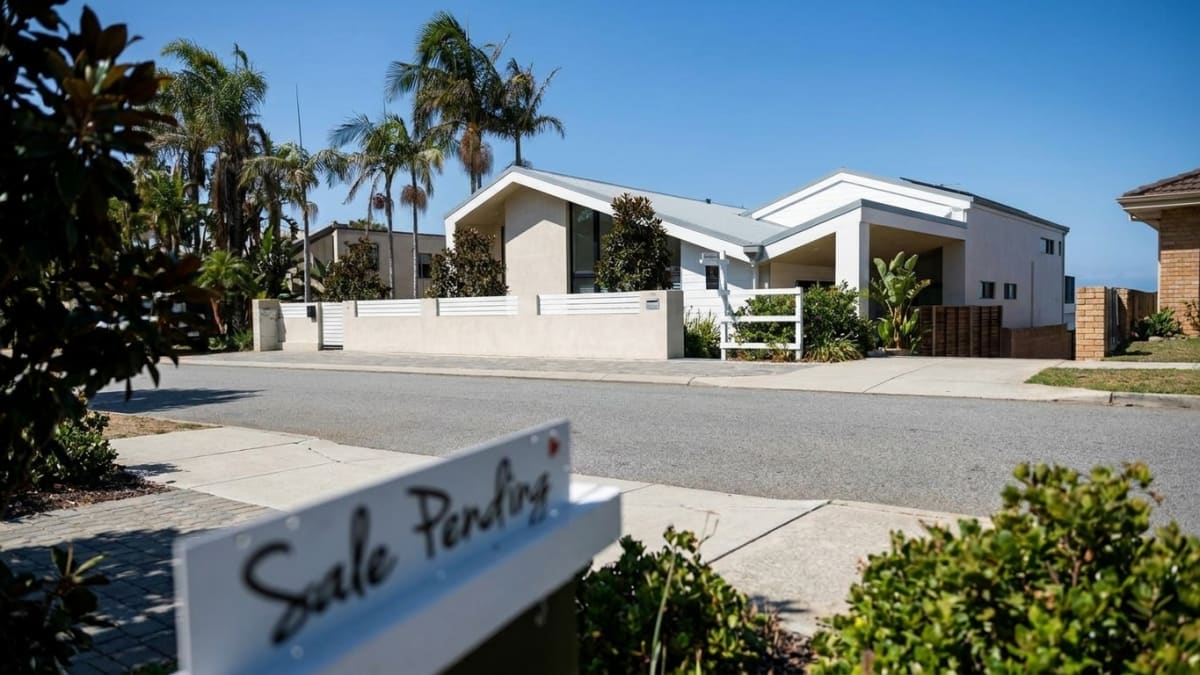
The US housing market handed buyers a blunt reminder in June 2026: the median existing-home price hit an all-time high of $440,600, marking the 36th consecutive month of year-on-year price growth.[1] Prices rose 1.8% on June 2025 and set a new record. At the same time, the National Association of Realtors reported that actual sales fell.
Existing-home sales dropped 2.4% from May to a seasonally adjusted annual rate of 4.09 million units.[1] The market is doing two contradictory things at once: prices climbing while transaction volumes fall. Too few homes on offer and too many buyers priced out of the ones that are available explains most of it.
Why owners won't sell
Total housing supply in June stood at just 1.56 million units nationally, equivalent to 4.6 months of stock at the current sales pace.[1] A balanced market generally requires around six months of supply, and the US has sat below that threshold for years.
Millions of American homeowners locked in mortgage rates at historic lows during the pandemic and have little appetite to trade those loans for a new one at 6.66%. Selling means buying, and buying right now means paying far more to borrow. Owners sit tight, listings stay scarce, and the homes that do come to market attract competing offers that push prices higher still. The lock-in effect is self-reinforcing, with no obvious near-term mechanism to break it.
First-home buyers pushed to the sidelines
Lawrence Yun, Chief Economist at the National Association of Realtors, acknowledged the record price but offered a measured read of what it means in practice. "The median home price has reached an all-time high. Even so, affordability is better than a year ago because wage growth is outpacing home price growth. Progress on long-term housing affordability could be hampered if inventory growth continues to stall," Yun said.[1]
A $440,600 median price combined with a 30-year rate above 6.6% produces a monthly repayment that is out of reach for a substantial share of first-home buyers, regardless of how wages trend. Buyers who can close a deal are, in aggregate, those who already own property and are bringing equity with them. Yun also said the market's sensitivity to rate movements is telling. "The back-and-forth in monthly home sales activity, driven by mild fluctuations in mortgage rates, shows how sensitive home buyers are to affordability conditions," he said.[1]
Mortgage rates near a one-year high
The average 30-year fixed-rate mortgage reached 6.66% for the week ending 30 July 2026, the highest reading since 6.72% recorded on 31 July 2025, according to Freddie Mac's Primary Mortgage Market Survey.[2] Rates had been expected to ease meaningfully through 2026 as the US Federal Reserve worked through its rate-cutting cycle. That easing has been slower and shallower than many buyers anticipated at the start of the year.
The window many would-be buyers were waiting for, sub-6% rates returning, inventory loosening, prices softening, has not arrived. Rates have drifted back toward recent highs, inventory has not materially grown, and prices have set a new record. For a buyer who has been watching from the sidelines for 12 or 18 months, the monthly cost of ownership on the median-priced home is higher today than when they started looking.
Australia moves in the opposite direction
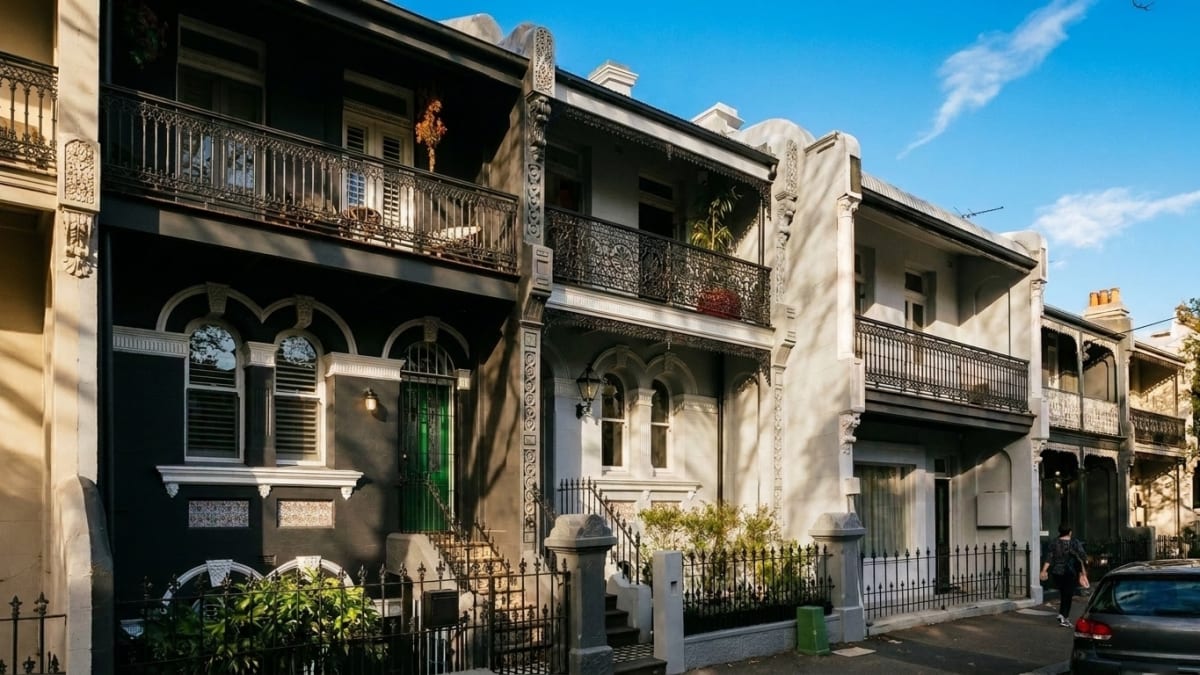
Australian national home values fell 0.3% in June 2026, the third consecutive monthly decline, according to the PropTrack Home Price Index.[3] Where the US market is characterised by frozen supply and record prices, Australia's is softening across the board, a divergence that reflects different rate cycles, different supply dynamics and different buyer-confidence readings on each side of the Pacific.
Australian buyers have been contending with a Reserve Bank that held rates high for longer than markets expected before beginning its own easing cycle. PropTrack data show a market that is cooling rather than crashing, but the trend line is pointing the wrong way for anyone who bought near the peak hoping for a quick recovery. The US situation, by contrast, shows what happens when a market seizes up rather than corrects: fewer sales, fewer listings, and a median price that keeps edging upward because the only transactions that complete are the ones where both parties can make the numbers work.
KEY TAKEAWAYS
SOURCES & CITATIONS
FREQUENTLY ASKED QUESTIONS
What was the US median existing-home price in June 2026?
Why are US home sales falling even as prices rise?
What is happening to Australian home prices by comparison?
What is the current US 30-year mortgage rate?
Gavin O'Malley writes about property and housing. He spends his time at auctions and on building sites, and is more interested in what buyers and builders are actually paying than in what the forecasts say.