TLDR
Headline inflation fell to 3.8 per cent in the year to June 2026, down from 4.0 per cent in May, but cheaper fuel under a temporary excise relief agreement did almost all of that work. The Reserve Bank's preferred measure, trimmed mean inflation, stayed stuck at 3.6 per cent for a second straight month, keeping a rate rise firmly in play at the August board meeting. Services inflation climbed to 4.0 per cent while goods inflation eased, showing price pressure has shifted rather than retreated. The fuel excise relief expired on 30 June 2026, so the headline softening will not repeat in July figures.
KEY TAKEAWAYS
Two numbers, one verdict
Australia's headline inflation rate fell to 3.8 per cent in the year to June 2026, down from 4.0 per cent in May. The Reserve Bank of Australia is watching a different number, and that one did not move. Trimmed mean inflation, the measure that strips out the most extreme price swings, held at 3.6 per cent for a second consecutive month.verifiedVerified Source: abs.gov.au[1] The Reserve Bank uses the trimmed mean when setting interest rates because it captures persistent price pressure rather than one-off shocks.
The Consumer Price Index fell 0.1 per cent in original terms in June 2026.[1] That monthly dip looks reassuring on its face, but it reflects a temporary policy intervention rather than any structural easing in the economy.
Fuel did the work, and it has already stopped
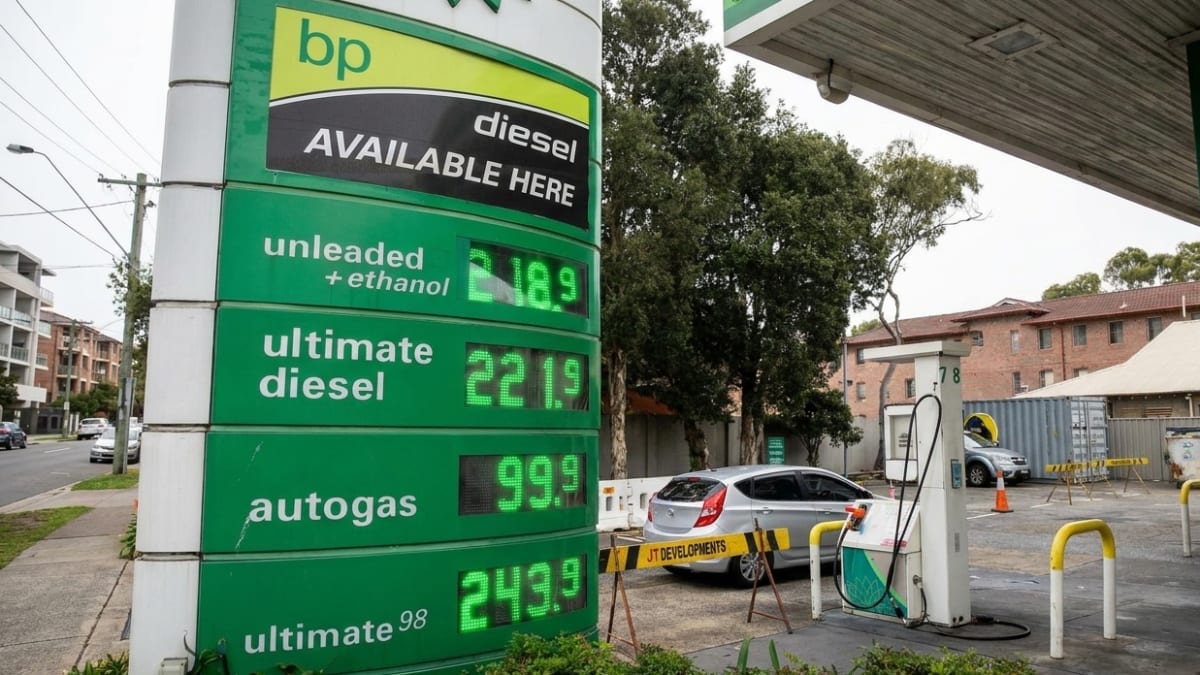
An intergovernmental agreement reduced fuel excise rates by more than half from 1 April to 30 June 2026verifiedVerified Source: federation.gov.au, holding petrol and diesel prices well below where they would otherwise have sat.[3] That relief is now gone. Westpac economist Neha Sharma said retail petrol and diesel prices continued to ease in the month, averaging $1.84 per litre and $2.35 per litre respectively, and warned the expiry would be felt quickly. Sharma said the excise cut's expiry was expected to be fully reflected in prices by around the third week of July.[4]
That timeline means the July CPI release will carry the full weight of the excise reversal, stripping away the main contributor to June's headline fall and likely pushing the top-line number back up.
Where price pressure has moved
The goods versus services split tells the real story of June. Annual goods inflation eased to 3.5 per cent, down from 4.2 per cent in May, as cheaper fuel flowed through the basket.[1] Annual services inflation rose to 4.0 per cent in the year to June 2026, up from 3.7 per cent in May.verifiedVerified Source: abs.gov.au[1]
Services prices are stickier than goods prices because they are more labour-intensive and less exposed to global supply swings. A rise in services inflation, even as goods ease, signals that domestic price pressure is building rather than fading, which is precisely the dynamic the Reserve Bank's trimmed mean is designed to detect.
Labour market gives the RBA no cover
Unemployment held at 4.4 per cent on a seasonally adjusted basis in June 2026, leaving the labour market tight enough to sustain wage-driven services inflation.[2] ABS head of labour statistics Sean Crick said the headline employment gain was solid but lopsided. "In June, we recorded a 76,000 person rise in employment, driven by a 47,000 person rise in part-time employment," Crick said.[2]
Part-time hiring dominates the recent run of jobs data, which complicates any read on underlying labour demand. Full-time employment accounted for only 29,000 of June's 76,000 gain, leaving questions about the durability of income growth feeding into services spending.[2]
What it means for the August rate decision
The Reserve Bank's next board meeting falls in the first fortnight of August 2026. For a rate hold to be the comfortable call, the trimmed mean needed to show movement toward the 2 to 3 per cent target band. It did not. At 3.6 per cent for a second month running, it sits 0.6 percentage points above the top of that band, with services inflation now accelerating.[1]
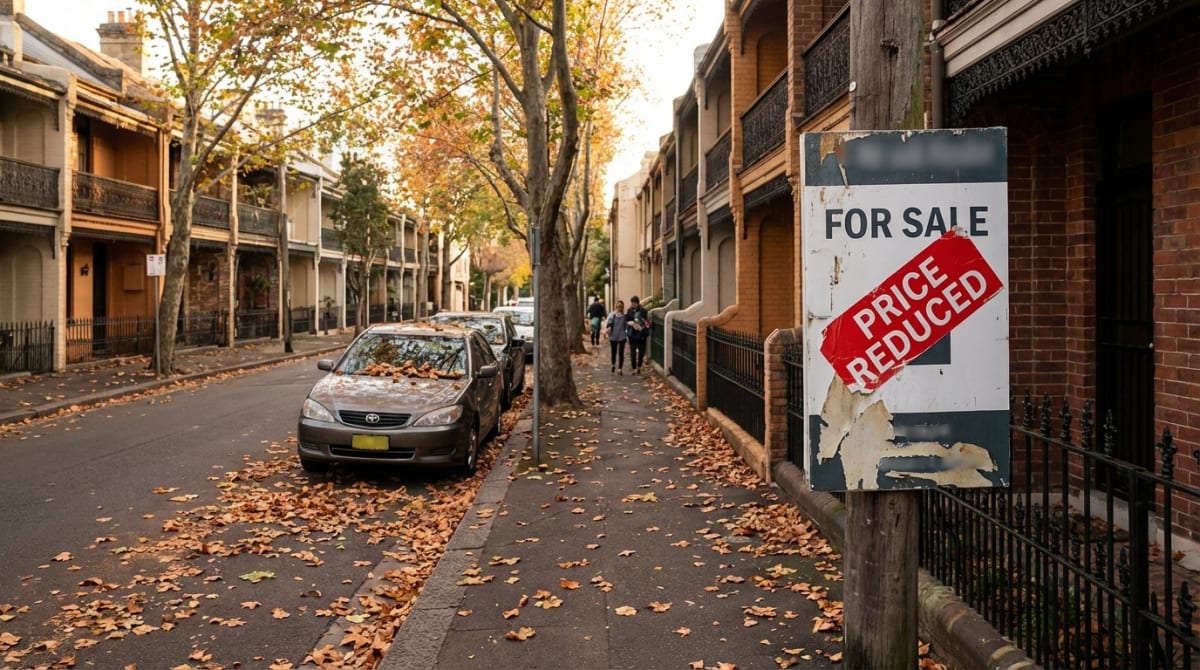
Mortgage holders watching the headline figure for relief will find the June data misleading. A falling inflation rate means prices are rising more slowly, not falling outright, and the mechanism behind June's softening, the fuel excise cut, expired on 30 June 2026.[3]
SOURCES & CITATIONS
FREQUENTLY ASKED QUESTIONS
What is the difference between headline inflation and trimmed mean inflation?
Why did headline inflation fall in June 2026?
Does a falling inflation rate mean prices are going down?
What does services inflation rising to 4.0 per cent mean for households?
Elias Thorne writes about interest rates, the bond market and the Reserve Bank. He is interested in what monetary policy actually does to household budgets, and in the long stretches of economic history that tend to repeat.