
TLDR
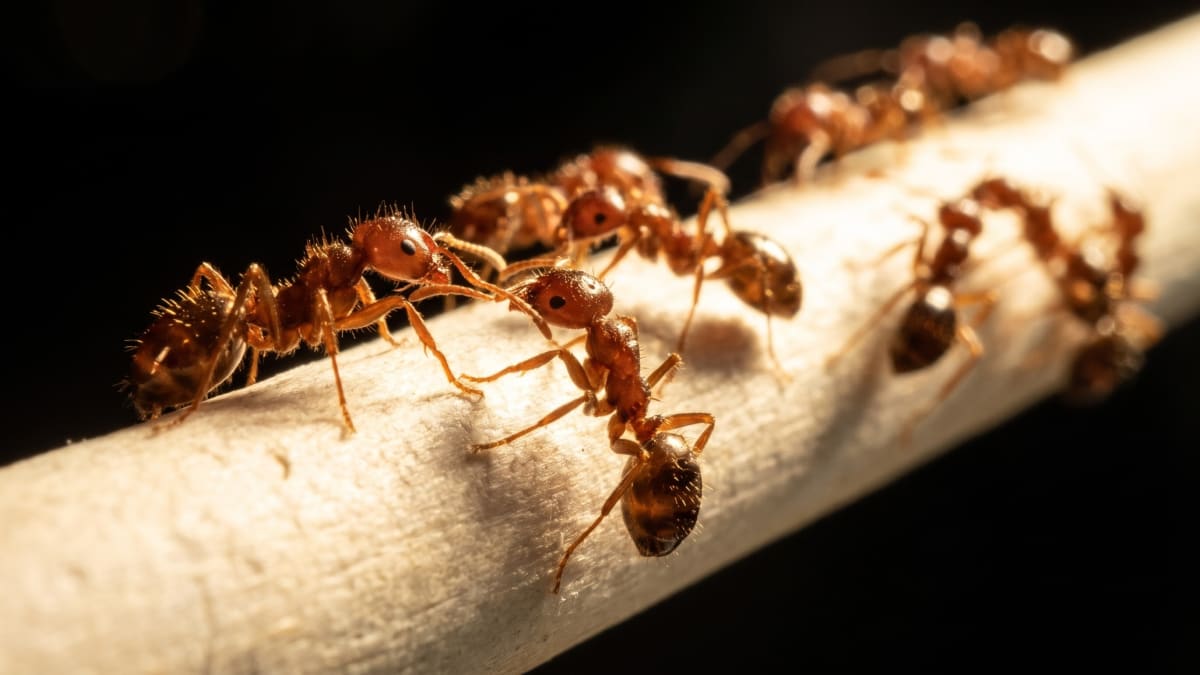
NSW biosecurity officers destroyed a red imported fire ant nest in Auburn after a public tip-off, with the nest estimated at roughly 12 months old. At that age, queens may already have flown and seeded further nests. Auburn sits outside the Enfield control zone, more than six kilometres from Sydney's first detected nest.
KEY TAKEAWAYS
Nest treated after public tip-off, age raises spread alarm
NSW biosecurity officers inspected and treated a red imported fire ant nest in Auburn over the weekend after a member of the public reported it.[1] Officials destroyed the ants, collected samples and estimated the nest was about 12 months old.[1]
Invasive Species Council chief executive Jack Gough said the nest's age drew immediate concern: "The likelihood is, a nest that's over 12 months old, means that there have been other nests that have spread from this one."[5]
Auburn lies outside Sydney's existing control zone
The Auburn site was outside the Enfield Intermodal Biosecurity Control Zone and more than six kilometres from the first Sydney nest detected at Enfield.[1] The government said it was investigating how the ants arrived, including whether they came from a different source. Agriculture Minister Tara Moriarty told reporters testing was under way but the two nests were believed to be linked, the ABC reported.[1]
The Invasive Species Council had previously placed the Enfield detection more than 800 kilometres from Australia's established south-east Queensland infestation, putting both Sydney detections at a similarly isolated remove from the known population.[3]
Surveillance to begin, residents warned not to disturb mounds
Auburn surveillance began immediately after the find, with detection dogs to be deployed as soon as possible.[1] NSW Minister for Agriculture Tara Moriarty said: "Human movement of materials is the primary way fire ants spread, which is why we're asking everyone to stay alert and report anything suspicious."[1] A Biosecurity Control Order was being developed pending testing and consultation.
National guidance identifies soil, hay, mulch, manure, quarry materials, turf, potted plants and dirty machinery as risk pathways for spreading fire ants out of affected areas.[2] The National Fire Ant Eradication Program estimated uncontrolled fire ants could cost Australia up to $2 billion each year.[4]
Residents who spot a suspicious mound were told not to disturb, treat or collect it, to safely photograph it if possible, and to report it to the NSW Biosecurity Helpline.[1] Sample results from the Auburn nest will determine the next steps for the investigation and any expanded control zone.
SOURCES & CITATIONS
- Red imported fire ants eradicated, Auburn, NSW Government ministerial release
- Red imported fire ant, outbreak.gov.au current outbreaks
- Fire ants detected in inner-west Sydney from overseas incursion, Invasive Species Council
- National Fire Ant Eradication Program, response plan
- Red imported fire ants found in western Sydney, ABC News
FREQUENTLY ASKED QUESTIONS