TLDR
Two artisanal gold mine collapses in Sudan killed at least 92 people in five days, exposing the lethal conditions of a wartime gold rush. Hand-dug, unshored shafts and collapsed state oversight have turned informal mining into one of the country's deadliest industries.
Two collapses, 92 dead
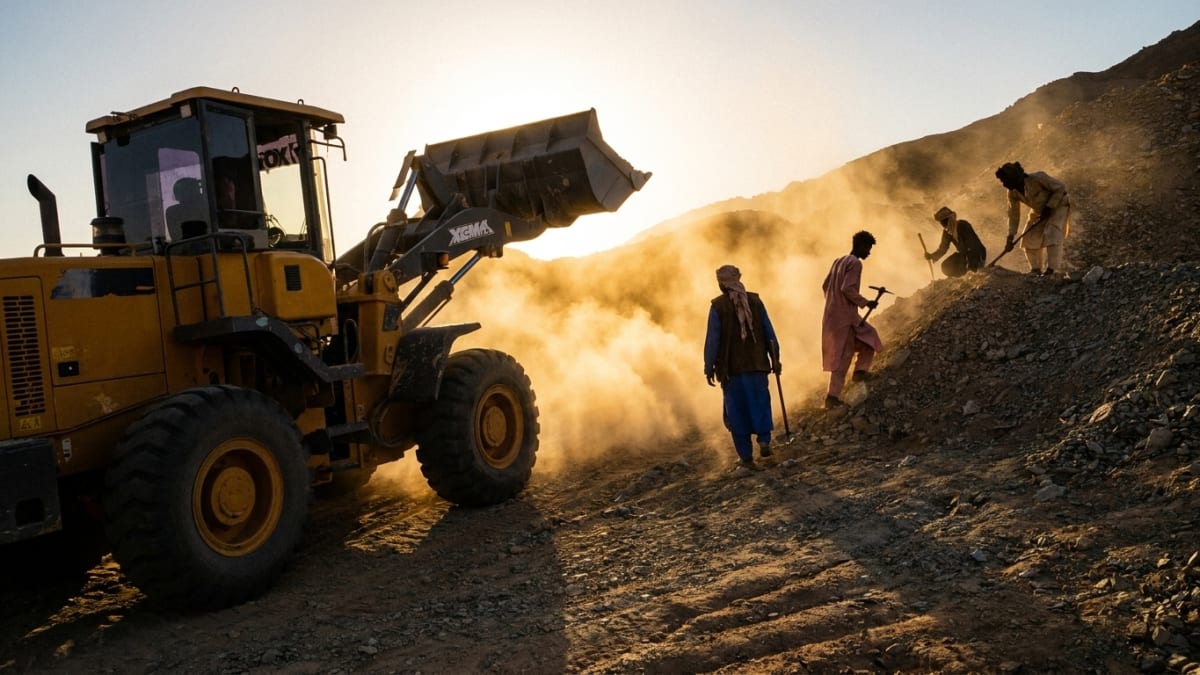
At least 82 people died when the al-Zaraa gold mine near en-Nahud, in West Kordofan, collapsed on 16 September 2026.[1] Survivor Khairal-Sayed Gabara said rescuers were overwhelmed by the scale. "The collapse is massive and the situation is very dire," Gabara said.[1]
Four days later, shafts at the Awny mining area near Sudan's border with Egypt caved in, killing at least 10 people and injuring 21 more.[2] A survivor at the site said 10 bodies had been recovered and 21 injured miners pulled out.[5]
War economy underground
Sudan's conflict between the Rapid Support Forces and the Sudanese Armed Forces, which began in April 2023, fractured state institutions and drove millions toward artisanal gold mining as formal employment collapsed. Artisanal mining accounts for 30 per cent of Sudan's gold output, with mines controlled by armed actors and operating without modern safety measures.[3]
The shafts are hand-dug and unshored, with no rescue equipment on site and no regulatory body left to enforce standards. Most gold previously exported to the United Arab Emirates through Port Sudan now moves through informal channels into Egypt, financing armed groups on both sides of the conflict.[3]
Shortages of state-distributed mercury and cyanide since April 2023 have pushed miners to exchange gold directly for chemicals at unregulated border markets.[4] Sourcing processing chemicals through those informal networks removes the last trace of oversight from an already unregulated industry.
Rescue operations at both sites continued into the week of 22 September 2026.
KEY TAKEAWAYS
SOURCES & CITATIONS
FREQUENTLY ASKED QUESTIONS
Where did the deadlier of the two Sudan mine collapses occur?
Why are so many Sudanese mining gold in dangerous informal pits?
How does Sudan's informal gold trade fund the war?
Caleb Reed covers breaking news and sport. He works to the rhythm of a story as it unfolds, and he is happiest when the facts arrive faster than anyone can spin them.