
TLDR
A Sri Lankan High Court convicted 15 men over the 2019 Easter Sunday bombings, sentencing each to 200 years in prison. The coordinated attacks across six sites killed more than 260 people, including two Australians. Nine of the 24 accused were acquitted after a five-year trial.
The verdict
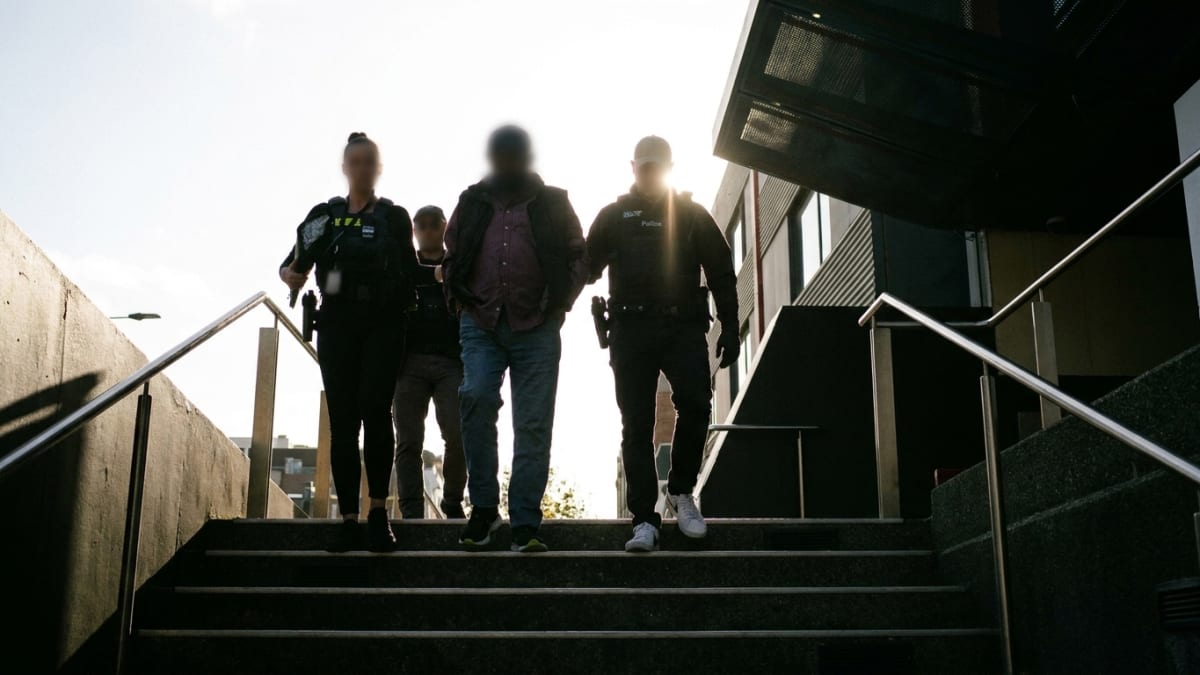
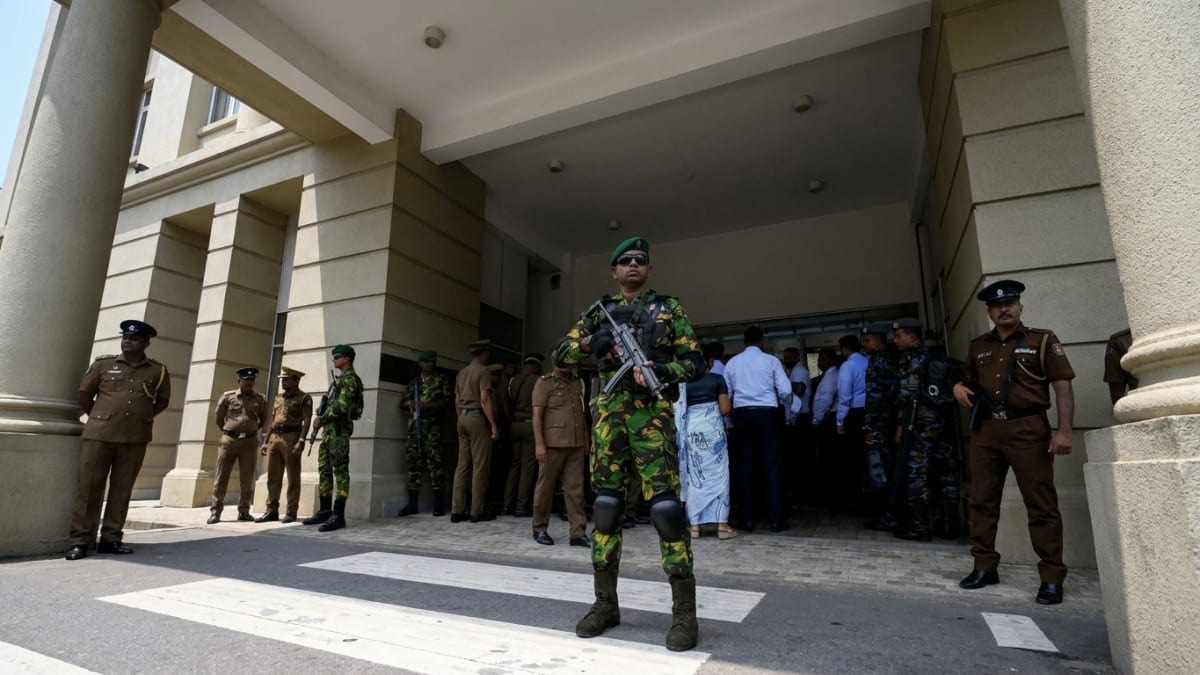
A three-judge High Court-at-Bar in Sri Lanka convicted 15 men on 22 September 2026 over the Easter Sunday bombings of 21 April 2019, sentencing each to 200 years in prison.[1] Fourteen were found guilty on all counts of murder, conspiracy to commit terrorism and possessing explosives under the Prevention of Terrorism Act; one was convicted on some counts. Nine of the 24 accused were acquitted.
Catholic priest Jude Fernando spoke outside the court after the verdict: "Finally, we have justice."[1] Survivor Teresa Fernando told reporters: "We came here today as victims of this attack to receive justice. Whatever the court says… we will bow our heads and accept it."
The attack
On 21 April 2019, coordinated suicide bombings struck three churches and three luxury hotels in Colombo, Negombo and Batticaloa, killing more than 260 people and injuring hundreds.[2] The targets included St Anthony's Shrine in Kochchikade, St Sebastian's Church in Negombo, Zion Church in Batticaloa, and the Cinnamon Grand, Kingsbury and Shangri-La hotels.
Manik Suriaaratchi and her daughter Alexendria, both Australian, were killed at St Sebastian's Church in Negombo, among the tourists, worshippers and children caught in one of the deadliest attacks in South Asia since the end of Sri Lanka's civil war.
The trial
Criminal case HC(TAB) 2972 was filed on 8 February 2021 against 24 accused relating to all six bomb blasts, with the first trial hearing held on 10 October 2023 across 59 court days.[3] The three-judge bench delivered its verdict on 22 September 2026, making this one of Sri Lanka's largest terrorism prosecutions.[1]
What remains unresolved
The criminal convictions close the prosecution phase but leave a deeper accountability question unanswered. Sri Lanka's Supreme Court ruled on 12 January 2023, in Fundamental Rights Applications filed under Article 126 of the Constitution, that senior officials failed to act on repeated intelligence warnings in early April 2019, with those omissions found to have infringed the fundamental rights of petitioners.[2]
On 4 April 2019, State Intelligence Service Director Nilantha Jayawardena personally received a WhatsApp message warning that the National Thawheeth Jama'ath leader and associates were planning suicide bomb attacks on churches, as recorded in his affidavit before the Supreme Court.[2] The attack proceeded seventeen days later.
Sri Lanka's Supreme Court ordered former President Maithripala Sirisena to pay Rs 100 million in compensation to victims, former Inspector General of Police Pujith Jayasundara and former SIS Director Jayawardena Rs 75 million each, and former Defence Secretary Hemasiri Fernando Rs 50 million.[2] Whether those compensation orders have been enforced in full remains a matter the Sri Lankan government has yet to formally account for on the public record.
KEY TAKEAWAYS
SOURCES & CITATIONS
FREQUENTLY ASKED QUESTIONS
How many people died in the 2019 Easter Sunday bombings in Sri Lanka?
Were any Australians killed in the Sri Lanka Easter Sunday attacks?
What sentences did the convicted men receive?
What did Sri Lanka's Supreme Court find about the intelligence failures?
Simon Wu writes about Asia-Pacific markets and China's economy. He reads the Chinese-language financial press closely and looks for the stories that reach Australia before anyone here notices.