
TLDR
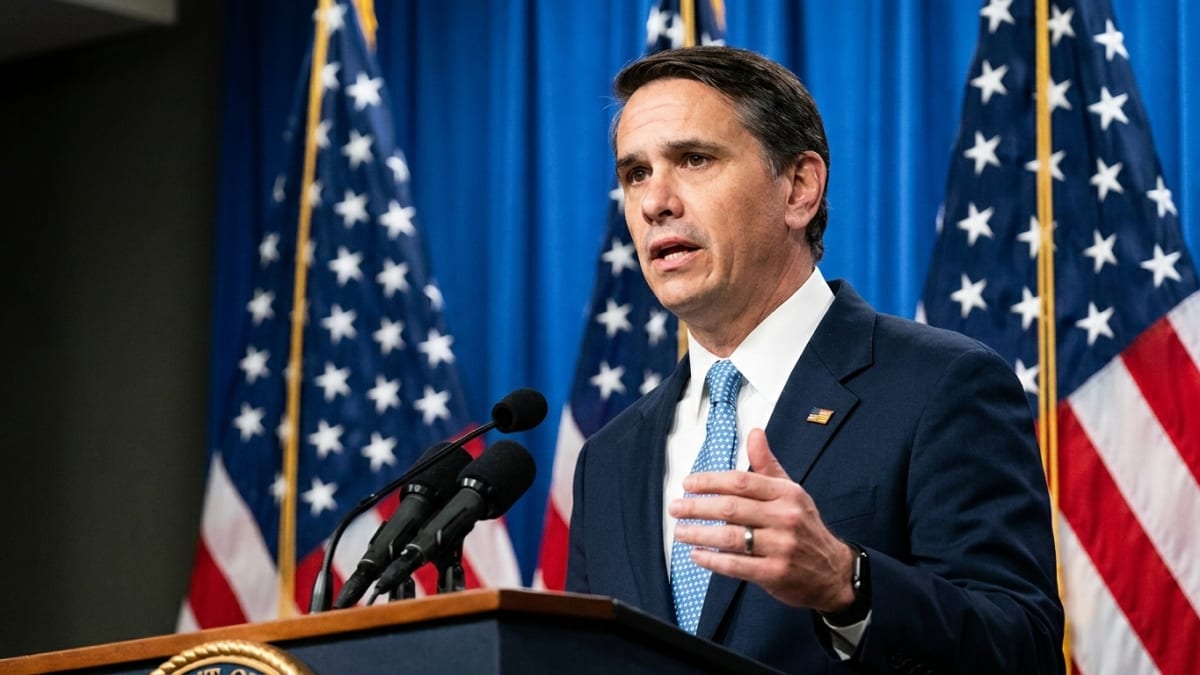
Todd Blanche was confirmed as US attorney general by the narrowest possible margin, 50 votes to 49, with two Republicans breaking ranks to oppose him. Blanche had already been running the Justice Department as acting attorney general since April 2026, having previously served as Donald Trump's personal defence lawyer.
One vote, one outcome
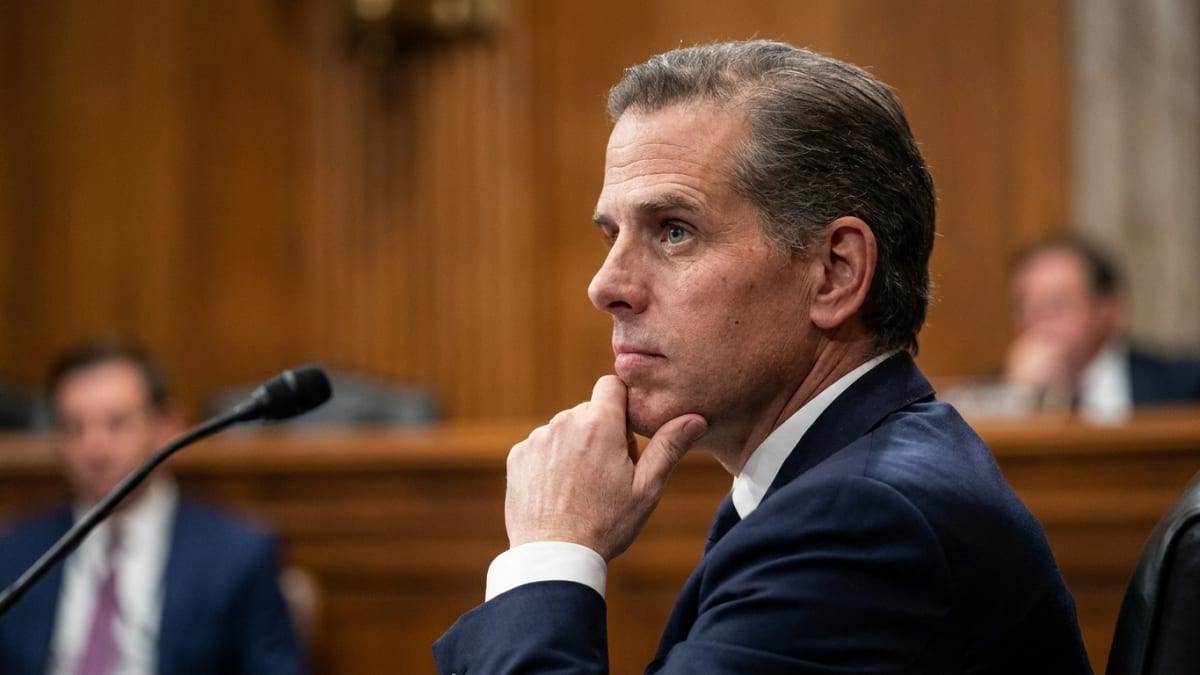
Todd Blanche spent 2023 and 2024 sitting at Donald Trump's defence table. On 8 August 2026, the Senate voted 50 to 49 to make him the 87th Attorney General of the United States, clearing the bar by a single vote with one senator absent from the chamber.[1] Every seat in that chamber counted.
The cloture vote that unlocked the final tally was equally tight at 50 to 49, meaning there was no procedural cushion either.[2] Blanche cleared both hurdles without a single vote to spare.
From Trump's defence table to the top job
Blanche had already been running the Justice Department as acting attorney general since April 2026, having first joined as Deputy Attorney General in early 2025.[3] The confirmation vote formalised a situation that had existed for months. Blanche was already making the calls; he just lacked the confirmed title.
Prior to his Justice Department role, Blanche served as Trump's personal defence lawyer in several high-profile cases through 2023 and 2024.[3] Critics made that transition the centrepiece of their opposition. Supporters called it irrelevant to his fitness for office.
What sank two Republican votes
Senators Susan Collins of Maine and Lisa Murkowski of Alaska joined every Senate Democrat in voting against Blanche's confirmation, making them the only Republicans to cross party lines.[1] Their votes did not change the outcome, but they defined the confirmation's character. This was not a party-line vote that broke cleanly one way.
Two specific grievances dominated the debate. Blanche's involvement in settling a lawsuit Trump filed against the IRS drew sustained scrutiny from Democrats, who argued it represented the use of federal law enforcement for the president's personal benefit. Questions about the so-called anti-weaponisation fund, a contentious Justice Department initiative, kept Republican moderates uneasy long enough to make every subsequent vote a genuine uncertainty.
Independence was the third fault line. Blanche's path from defence counsel to acting attorney general to confirmed attorney general is, in plain terms, a story of one man moving from serving a president personally to serving him institutionally. Collins and Murkowski apparently found that sequence difficult to dismiss.
The case for and against, in senators' own words
Senate Judiciary Committee Chairman Chuck Grassley made the case for confirmation with blunt practicality. According to a statement released by the White House, Grassley said: "Maintaining the Department of Justice's ability to protect Americans from crime and hold criminals accountable is essential for the safety of American families. I've worked well with Acting Attorney General Blanche for more than a year and appreciate his commitment to transparency and support for law enforcement. Blanche is well-qualified and has shown his dedication to restoring law and order across our country."[5]
Senator Sheldon Whitehouse of Rhode Island took the opposite view with equal bluntness. "Republican senators who vote to confirm Blanche are deluding themselves if they believe he will do anything but accelerate the weaponization of the justice system," Whitehouse said.[4] That warning did not shift enough Republican senators to matter, though it did not fall on entirely deaf ears given Collins and Murkowski.
What the confirmation actually changes
Blanche has held effective control of the Justice Department since April 2026.[3] The policies already in motion, the staffing decisions already made, the priorities already signalled, none of those required a confirmation vote. What changes is the political legitimacy of his tenure and the length of time he can hold the role without further Senate scrutiny.
A confirmed attorney general carries more legal and political weight than an acting one. Blanche can now act with a cleaner mandate, for better or worse depending on your view of what the Justice Department should be doing. Critics who argued confirmation would remove a check on his conduct are not wrong about the mechanics, even if supporters dispute the conclusion.
The 50-49 margin is the number to hold onto. Two Republicans thought the rope was already too long, and for a department whose institutional credibility depends substantially on the perception of independence from the White House, a one-vote margin with bipartisan opposition is not the endorsement that restores that perception.
KEY TAKEAWAYS
SOURCES & CITATIONS
- Senate Roll Call Vote 230, Confirmation of Todd Blanche
- Senate Roll Call Vote Menu, 119th Congress, 2nd Session
- Meet Acting Attorney General Todd Blanche, Department of Justice
- Whitehouse Makes the Case Against Confirmation of AG Nominee Blanche
- Law Enforcement Leaders Across America Support Todd Blanche for Attorney General
FREQUENTLY ASKED QUESTIONS
Who is Todd Blanche?
Why did two Republicans vote against Blanche?
What does the confirmation mean for the Justice Department?
Gavin O'Malley writes about property and housing. He spends his time at auctions and on building sites, and is more interested in what buyers and builders are actually paying than in what the forecasts say.