TLDR
The scale of Nepal's disaster keeps growing: deaths have passed 950 and more than 4,400 people are now listed as missing. Around 300 workers are believed trapped inside hydropower tunnels in Rasuwa District, Australia has committed AUD 3 million in aid, and 12 consular staff are deployed.
Toll and missing count
Nepal's National Disaster Risk Reduction and Management Authority recorded 939 deaths and 3,925 missing as of 31 August 2026.[1] Chinese authorities added 16 deaths and 546 missing in Gyirong County, pushing the combined toll above 950 dead and 4,400 missing across Nepal and Tibet.[1]
रासुवामा बाढीसम्बन्धी खोज, उद्धार तथा राहत अपडेट, २०८३ भदौ १३ गते बिहान १० बजेसम्म प्राप्त जानकारीसहित: • मृत्यु: 939 • बेपत्ता: 3,925 • चिनियाँ मृत्यु: 16 • चिनियाँ बेपत्ता: 546
31 August 2026 · View on XA flash flood surge tore through the Bhote Koshi River in Rasuwa District at 08:40 AM on 26 August, striking Rasuwa, Nuwakot, Dhading and Gorkha districts in quick succession.[2] Nepal's Ministry of Home Affairs launched search, rescue and relief operations and appealed for donations to the Prime Minister's Disaster Relief Funds.[2]
Authorities revised the missing count sharply upwards once they had established the total number of workers who had been stationed inside the remote hydropower infrastructure at the exact moment when the flood struck. Nepal's high-altitude hydropower sites sit in narrow river valleys directly in the path of glacial surge events during the monsoon season.
Tunnel rescue at Upper Trishuli
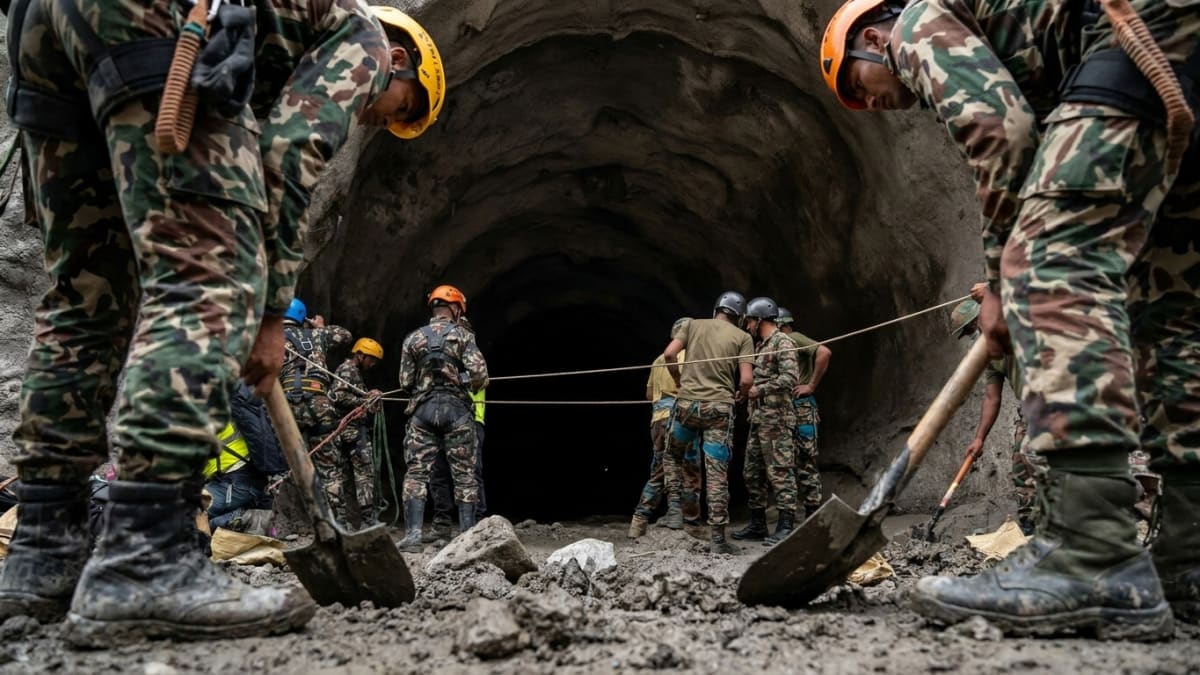
At the Upper Trishuli-1 Hydropower Project in Rasuwa District, at least 576 workers were reported missing and around 300 were believed trapped inside the project's tunnels.[3] Mohan Kumar Dangi, president of the Independent Power Producers' Association Nepal, said rescuers were working to reach those believed to be inside.
"In the Upper Trishuli-1 Hydropower Project, in the hard-hit Rasuwa district, at least 576 people were missing, and about 300 of them were believed to be trapped inside the project's tunnel," Dangi said.[3]
Debris-choked access routes and steep Himalayan terrain are limiting the use of heavy machinery. Nepal's army, police and Red Cross volunteers are coordinating the response under the Ministry of Home Affairs.[2]
The 43 Australians and international response
Australia committed AUD 3 million in humanitarian support and deployed 12 consular staff to assist flood-affected communities, with funding directed toward hygiene kits and solar lights.[4] Foreign Minister Penny Wong said the government had received no confirmed information on any of the 43 Australians reported missing.[3]
"What we don't have as yet, confirmed from any of the authorities, is any information about the 43 in total. This is such a difficult time. It's incredibly distressing. We are working to do whatever we can and to provide any information we obtain." Wong said.[3]
The International Federation of Red Cross and Red Crescent Societies launched a CHF 25 million emergency appeal on 27 August to fund Nepal Red Cross Society relief operations.[5] The appeal covers search and rescue, emergency shelter, clean water and medical assistance across the affected districts. The NDRRMA is scheduled to release its next situation report on 1 September 2026.
KEY TAKEAWAYS
SOURCES & CITATIONS
- Nepal Ministry of Home Affairs: Flood emergency appeal
- IFRC: CHF 25 million emergency appeal for Nepal flash floods
- Search for hundreds trapped in hydropower tunnels in Nepal
- Nepal flash floods live updates: NDRRMA toll figures 31 August
- Minister Thistlethwaite interview: Australian aid commitment to Nepal
FREQUENTLY ASKED QUESTIONS