TLDR
Kenya confirmed its first imported case of Bundibugyo virus disease after a Kenyan citizen who fell ill in the Democratic Republic of Congo died in Nairobi on 5 October 2026. Authorities have identified 28 close contacts and are tracing 27 additional flight passengers and crew, all facing 21-day isolation.
A flight, a death, a confirmed case
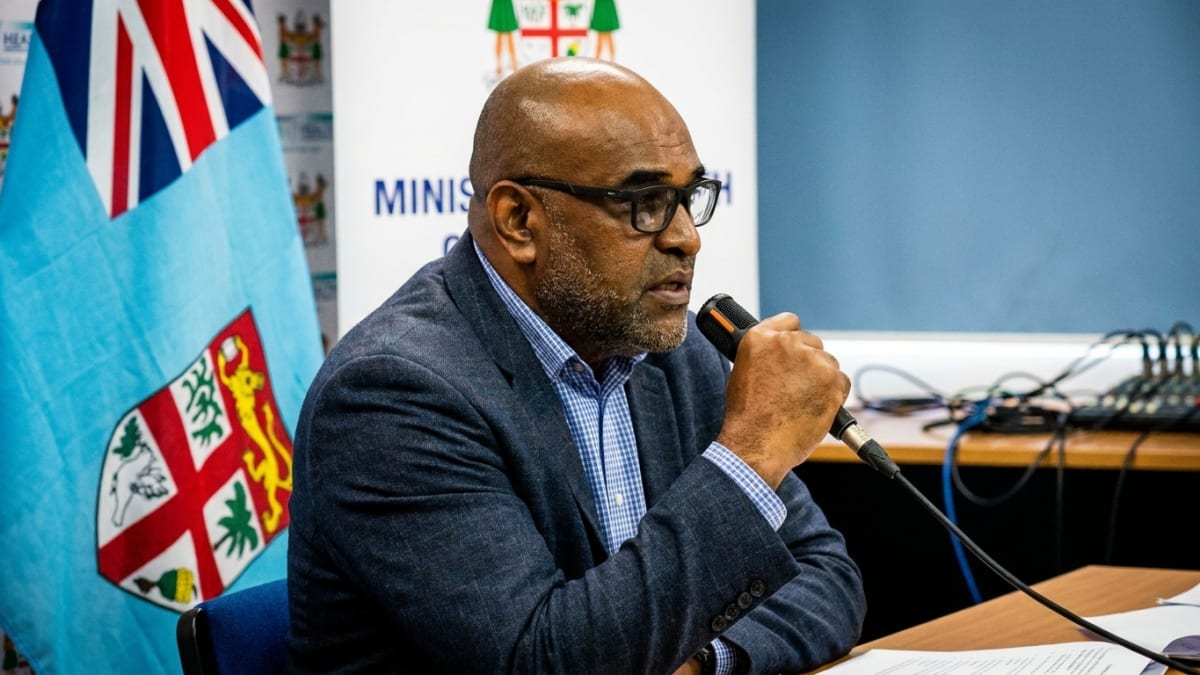
Health Cabinet Secretary Aden Duale announced on 6 October 2026 that Kenya had confirmed its first imported case of Bundibugyo virus disease. "The Ministry of Health wishes to inform members of the public that it has confirmed the first imported case of Ebola Bundibugyo virus disease," Duale said.[1]
The patient, a Kenyan citizen, fell ill in the Democratic Republic of Congo and travelled via Uganda to Nairobi. On arrival he was immediately isolated, tested positive at both the National Virology Reference Laboratory and the Kenya Medical Research Institute, and died on the night of 5 October. Burial followed safe and dignified protocols, and Kenya notified the World Health Organization under the International Health Regulations the following day.[2]
Contacts, crew and a 21-day clock
The Ministry of Health identified 28 contacts of the patient, including family members and health workers, and began tracing 23 passengers and four crew members from the same flight.[3] All will remain in isolation for 21 days.
Director-General Dr Patrick Amoth set out the standard clearly. "The contacts will remain in isolation for twenty-one days and will be released after testing negative for the virus," Amoth said.[3] The scale of the tracing exercise reflects the transit route: the patient moved through two countries before reaching Nairobi, which sits at the centre of East Africa's busiest air hub.
The outbreak behind this case
Bundibugyo virus disease was first identified in Uganda in 2007. The current outbreak in DRC began in Ituri province in mid-May 2026, spread to multiple provinces, and was declared a public health emergency of international concern by WHO. Uganda recorded its own outbreak and ended it in late August 2026.[2]
The virus carries a historical fatality rate of 25 to 50 per cent and has no approved vaccine or specific antiviral treatment. That absence shapes the containment logic: isolation and contact tracing carry the entire weight of the response, with no pharmaceutical backstop available to clinical teams.
Kenya's preparedness and WHO support
Kenya activated its National Ebola Incident Management System in May 2026, designated isolation and treatment facilities in Nairobi and other counties, and trained rapid response teams. By 6 October, authorities had screened over 652,000 travellers at high-risk points of entry, tested 267 suspected samples across five laboratories, and trained approximately 5,000 healthcare workers on Ebola prevention and management.[2]
WHO said it was working closely with the Kenyan government to intensify screening at high-risk entry points, strengthen risk communication, and prevent further spread.[2]
What travellers need to know
The Australian Department of Foreign Affairs and Trade updated its Kenya travel advisory ahead of this confirmation, noting that travellers arriving from Uganda, Ethiopia or the Democratic Republic of Congo may face enhanced health screening at Kenyan entry points.[4] DFAT recommends maintaining strict hygiene standards and avoiding physical contact with anyone showing symptoms.
Nairobi's Jomo Kenyatta International Airport connects Central and East Africa to the Gulf, South-East Asia and Australia, and the transit route through it carries real tracing complexity. Any traveller moving through Nairobi from DRC or Uganda should expect temperature checks and health declarations at both ends of the journey. The 21-day isolation window for the 55 contacts identified so far runs to late October 2026.
KEY TAKEAWAYS
SOURCES & CITATIONS
FREQUENTLY ASKED QUESTIONS