When European and Australian trade negotiators finalised their critical minerals partnership in Brussels in March 2026, the underlying objective was not economic. It was an exercise in risk reduction. The documents signed in that room acknowledged a reality that defence planners have recognised for years: the transition to renewable energy has replaced a reliance on Middle Eastern fossil fuels with a reliance on Asian processing capacity.
KEY TAKEAWAYS
Batteries are no longer consumer electronics components. They are grid infrastructure, essential for maintaining baseline power and national security. Yet the supply chains that produce them remain vulnerable to disruption. The architecture of the global energy transition is being built on foundations that could be severed by a single maritime blockade or targeted export restriction.
The processing monopoly
China currently dominates the processing of rare earth elements and the manufacturing of advanced battery cells. According to recent intelligence assessments, this concentration of capability provides Beijing with geopolitical advantage. For nations heavily invested in the renewable transition, this represents an security risk. The response in 2026 has been a rapid, state-backed effort to build parallel supply chains, decoupling the critical mineral sector from potential adversaries.
EU agreements with resource-rich nations like Australia are a clear sign of this change. The goal is building secure supply chains among allies. Raw materials needed for energy storage and advanced weapons must stay available during any crisis.
We cannot be over-dependent on any single supplier for such vital materials, and that is precisely why building alliances is necessary. For both Europe and Australia, getting this right is a strategic priority, and bringing to life our critical minerals partnership will be essential to our success.
— Ursula von der Leyen, EU Commission President
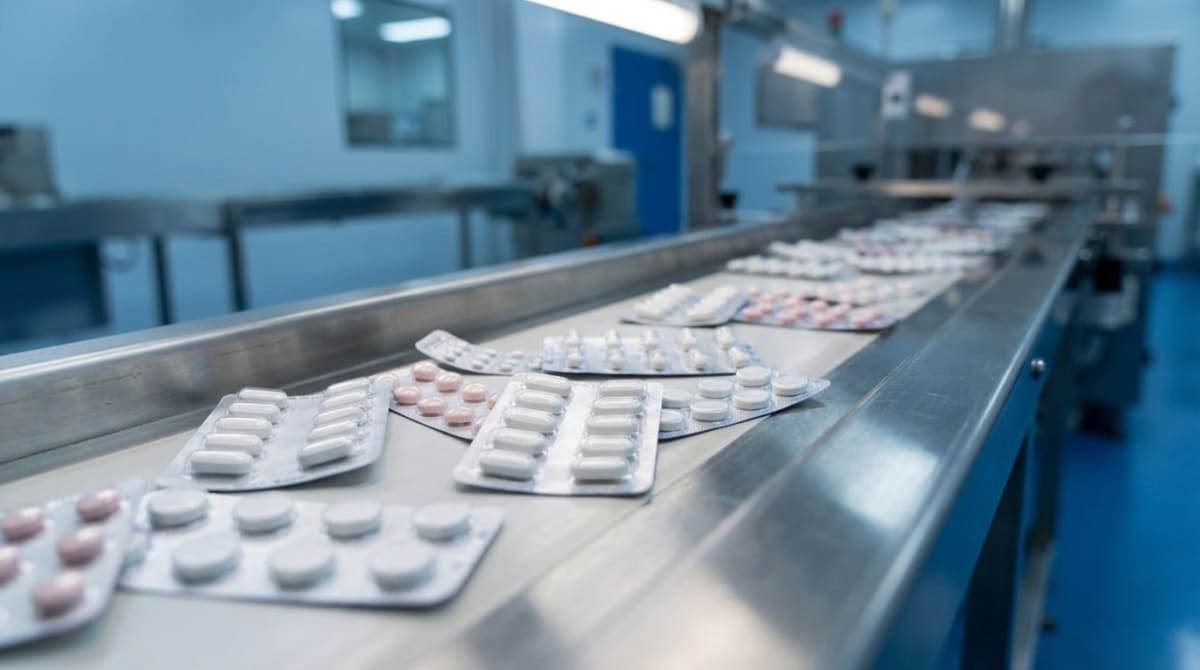
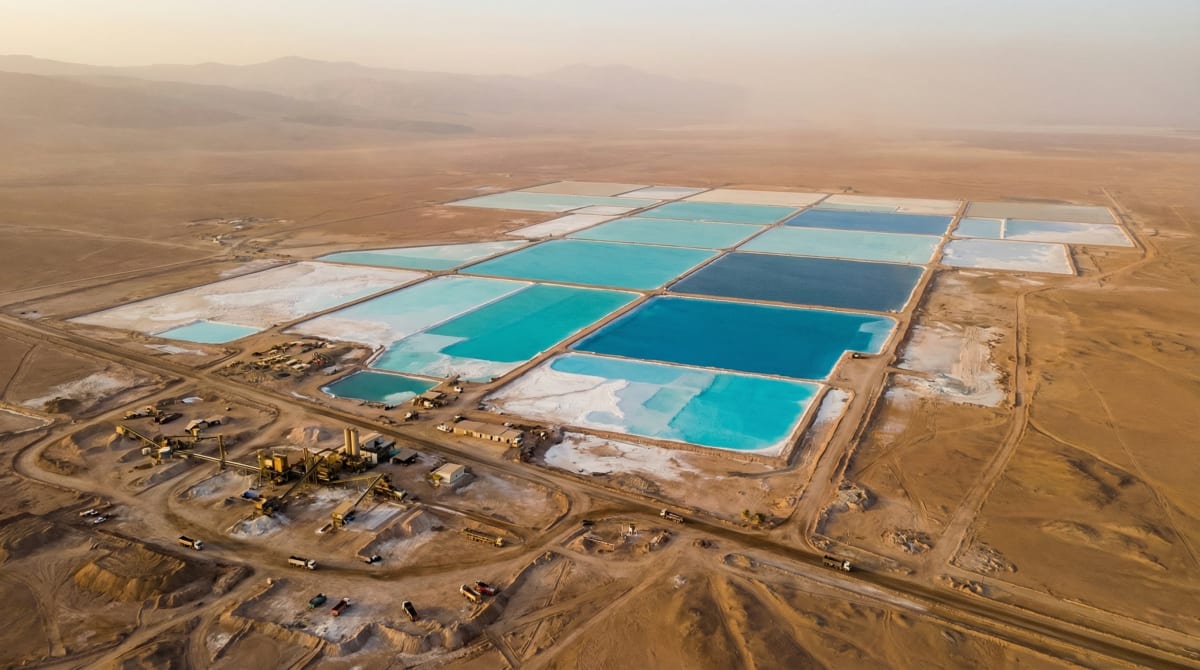
Mining raw lithium and rare earths means very little if the ore must go to competitors for refinement. Countries are building their own processing plants instead. Australia's AU$1.1 billion Iluka facility will open this year, marking a massive shift toward domestic processing. It is a direct fix for vulnerable supply lines.
Grid security and systemic vulnerability
The drive to secure these supply chains is motivated by the scale of energy storage required to maintain grid stability. The Australian Energy Market Operator's Draft 2026 Integrated System Plan outlines a massive expansion of storage infrastructure over the coming decades. The requirement is not marginal. It is foundational to the functioning of the state. AEMO forecasts that total generation and storage capacity must triple to 297 gigawatts by 2050, requiring 40 gigawatts of grid-scale storage.
AEMO CEO Daniel Westerman has been explicit about the necessary architecture of the future grid, framing it as a matter of systemic resilience.
Renewable energy, firmed with storage, backed up by gas and connected with upgraded networks remains the least cost roadmap to meet Australia's energy needs. This aligns with consumer, industry and government investments already underway.
— Daniel Westerman, CEO, Australian Energy Market Operator
However, he also issued a warning regarding the pace of deployment, noting that slower progress will erode benefits to consumers and present risks to reliability.
That reliability is a national security issue. A compromised grid leaves a nation vulnerable to both economic paralysis and physical coercion. As observed during the recent power grid collapses, energy insecurity rapidly cascades into broader societal instability. In modern conflict, destroying an adversary's power generation capability is a primary objective. Distributed storage mitigates this risk.
The Indo-Pacific security context
In the Indo-Pacific, the strategic calculus surrounding energy storage is particularly acute. The maritime routes required for the transport of both fossil fuels and battery components are contested. The South China Sea and the Strait of Malacca remain vulnerable to blockade or disruption during regional conflict. As recent disruptions in the Strait of Hormuz demonstrated, maritime supply lines are fragile pressure points.
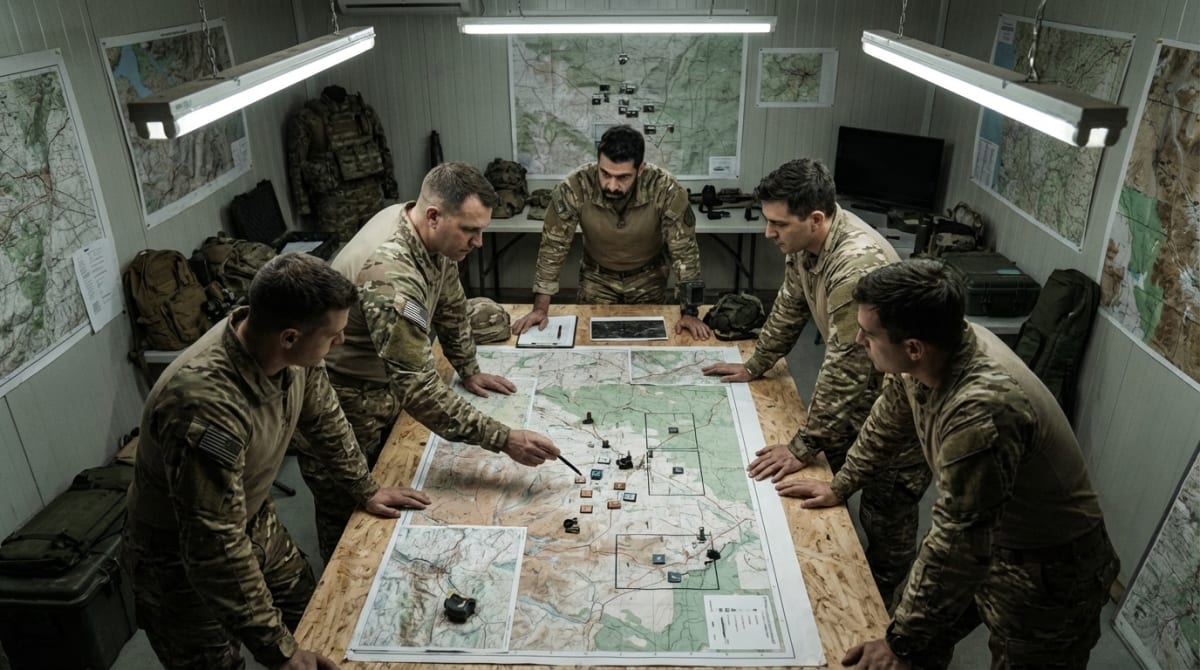
For defence planners in Canberra and Washington, distributed energy generation and localised battery storage offer a tactical advantage. A grid reliant on thousands of dispersed storage nodes, including the projected 27 gigawatts of behind-the-meter home batteries and 9 gigawatts of vehicle-to-grid storage, is harder to disrupt than one dependent on a few centralised coal or gas facilities. The rapid deployment of grid-scale batteries is therefore not environmental policy. It is a defensive posture. It creates a distributed, hardened target environment that complicates any adversarial planning.
Achieving this resilience requires secure access to lithium, cobalt, nickel, and the processing facilities necessary to refine them. The current architecture of the battery supply chain, characterised by heavy concentration in single jurisdictions, runs counter to the principles of strategic resilience. During the supply line disruptions in Jakarta amid early regional tensions, the vulnerability of just-in-time logistics became clear. States are now pivoting to stockpiling and allied production networks.
The new approach to critical minerals matches other strategic realignments across the Indo-Pacific. Nations are checking their own vulnerabilities. Energy transition technology and national defence are deeply connected. Because of this, governments refuse to let free markets control where critical components come from.
The race to secure battery supply chains is effectively a new arms race. The states that control the processing and manufacturing of advanced energy storage will hold geopolitical influence over the next century. Those that remain dependent on external actors for their grid stability will find their diplomatic and military options constrained during any crisis.
What to watch
The Australia-Canada Critical Minerals Security Framework will shape the next six months. If Japan and South Korea join, a genuine alternative to the current processing monopolies will exist. We should also watch the new grid-scale storage projects near military bases in Northern Australia. Their integration speed will indicate if energy security infrastructure can keep pace with geopolitical demands.
TLDR
The transition to renewable energy has elevated battery storage to critical national infrastructure. Governments are restructuring supply chains to reduce reliance on single-nation processing monopolies. Control over critical minerals and energy storage is now a primary driver of geopolitical alliances in the Indo-Pacific.
SOURCES & CITATIONS
FREQUENTLY ASKED QUESTIONS