

TLDR
A jury at Southampton Crown Court convicted Vickrum Singh Digwa of murdering 18-year-old university student Henry Nowak, who died on 3 December 2025. Judge William Mousley KC handed Digwa a life term on 1 June 2026, with a minimum of 20 years and 190 days. Court evidence included a recorded police-van conversation in which Digwa admitted stabbing Nowak three times, including once to the chest. Solicitor General Ellie Reeves KC MP has since referred the sentence to the Court of Appeal under the Unduly Lenient Sentence scheme, arguing Digwa should serve longer.
KEY TAKEAWAYS
A family's account of the victim
Henry Nowak was 18 years old and had just begun his first year at Southampton University when he was killed on 3 December 2025.[1] Nowak had grown up in Essex and was, by his parents' account, a hard-working young man with a bright future. His family described him as the first of their kin to attend university, a fact they held with considerable pride.
Nowak's parents described their son as a much-loved, hard-working young man who was the first in his family to attend university.verifiedVerified Source: judiciary.uk His death at 18 cut short a life that had barely started.
What the jury found
A jury at Southampton Crown Court convicted Vickrum Singh Digwa of Nowak's murder.[2] Digwa, a member of the Nihang order of Sikhs, had been carrying both a small kirpan and a larger dagger in public at the time of the offence. The prosecution placed before the jury a body of evidence that included a damaging admission Digwa made two days after the killing.
On 5 December 2025 Digwa was recorded in a police van saying he had stabbed Nowak three times, including once to the chest.[1] That recorded conversation, captured on 5 December 2025, had Digwa admitting to three stab wounds including one to the chest.verifiedVerified Source: judiciary.uk Prosecutors relied on it as direct evidence of intent and the mechanics of the attack.
The sentencing remarks
His Honour Judge William Mousley KC, Honorary Recorder of Southampton, delivered sentencing remarks at Southampton Crown Court on 1 June 2026. Judge Mousley addressed Digwa directly: "You, Vickrum Digwa, murdered him."verifiedVerified Source: judiciary.uk[1]
Judge Mousley sentenced Digwa on 1 June 2026 to life imprisonment with a minimum term of 20 years and 190 days, alongside a concurrent two-year term for carrying a bladed article.[1] The bladed-article conviction ran concurrently, adding no further time to the minimum Digwa must serve before he can be considered for parole.
The Solicitor General's referral
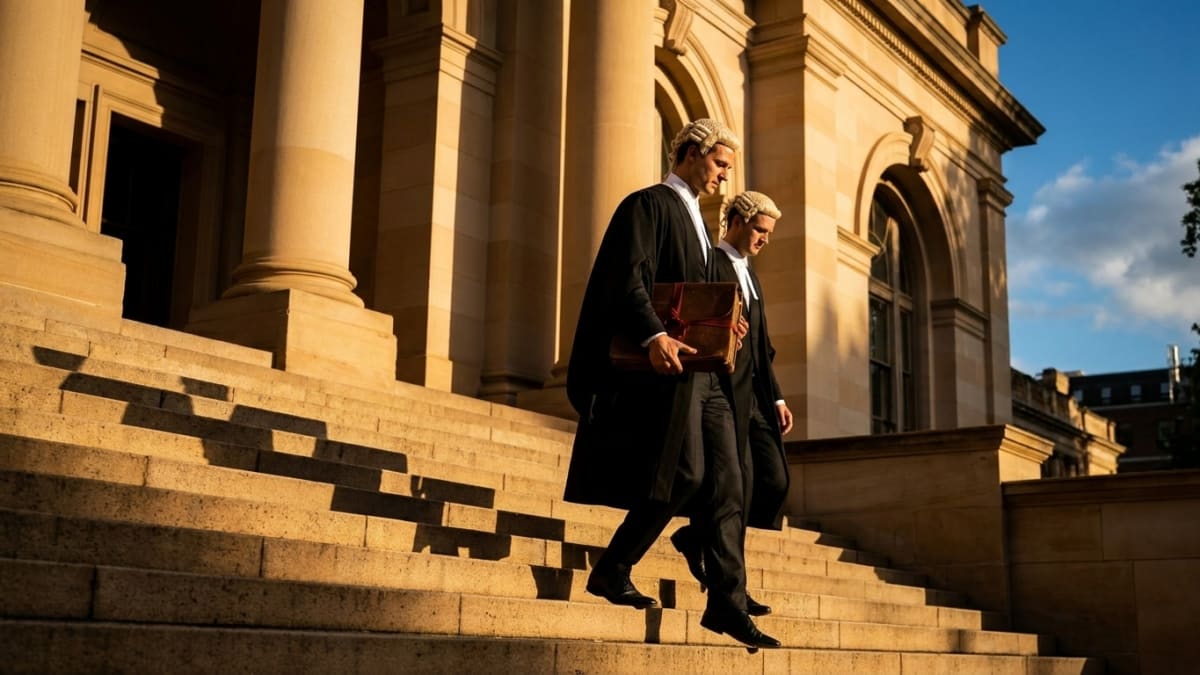
Solicitor General Ellie Reeves KC MP referred Digwa's sentence to the Court of Appeal on 15 June 2026, fourteen days after sentencing, under the Unduly Lenient Sentence scheme.[2] Under that scheme the Solicitor General has 28 days from sentencing to seek a review; Reeves acted well within that window. The Court of Appeal may increase the sentence, leave it unchanged, or substitute a different order.
Reeves said: "No sentence can ever undo the devastation that Henry's family have suffered, or fill the void left by his loss. But I hope this referral goes some way towards bringing them the justice they deserve."[2] The referral does not guarantee an increase; the Court of Appeal must first satisfy itself that the original term was, in legal terms, unduly lenient.
Where the matter stands
The Court of Appeal had yet to list the hearing as of the date of Reeves' announcement on 15 June 2026.[2] Digwa remains convicted of murder and subject to the 20-year-and-190-day minimum term Judge Mousley imposed on 1 June 2026. Nowak's family await the Court of Appeal's decision on whether that minimum will be extended.
SOURCES & CITATIONS
FREQUENTLY ASKED QUESTIONS
What is the Unduly Lenient Sentence scheme?
What was the evidence against Vickrum Digwa?
Who was Henry Nowak?
When was Digwa sentenced and by whom?
Caleb Reed covers breaking news and sport. He works to the rhythm of a story as it unfolds, and he is happiest when the facts arrive faster than anyone can spin them.