TLDR
Australia's data centre build-out pushed private capital expenditure up 12.2 per cent in the September quarter 2026, the largest quarterly rise in 15 years. Equipment spending surged 23.1 per cent, while information media and telecommunications investment hit a record, up 86.7 per cent.
KEY TAKEAWAYS
Data centres push capex to 15-year high
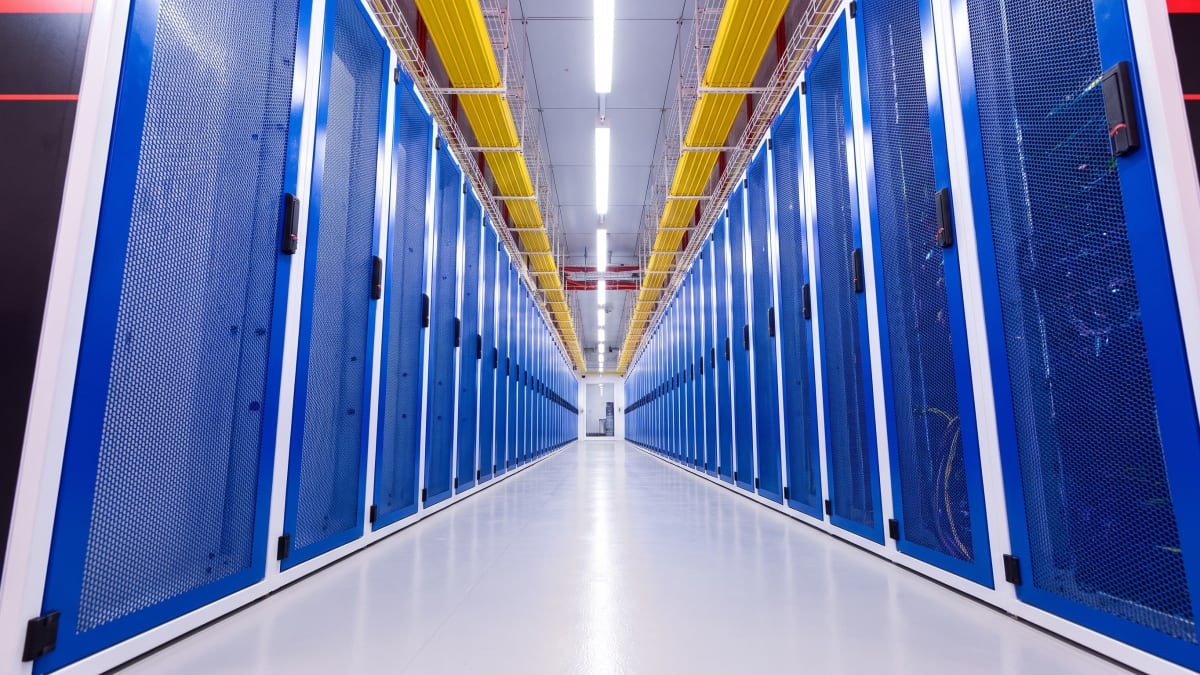
Private new capital expenditure rose 12.2 per cent in the September quarter of 2026 in seasonally adjusted volume terms, the Australian Bureau of Statistics said on Thursday, leaving total investment 18.6 per cent higher than a year earlier.[1] ABS head of business statistics Robert Ewing attributed the result to businesses investing heavily in data centre equipment, making it the largest quarterly rise since the September quarter 2011, during the mining investment boom.
Equipment, plant and machinery expenditure accounted for most of the lift, rising 23.1 per cent in the quarter. Buildings and structures spending increased a more modest 1.7 per cent.[1]
Non-mining sectors lead the charge
Non-mining capital expenditure rose 16.0 per cent in the quarter, while mining investment gained 1.4 per cent.[2] Technology infrastructure supplied the bulk of that momentum, a sharp contrast to the mining-led cycles of the early 2010s.
Investment in information media and telecommunications climbed 86.7 per cent in the quarter to a record level, and stood 142.7 per cent higher than a year earlier. Equipment and machinery spending within that industry alone surged 183.5 per cent.[1]
Spending plans revised sharply higher
Estimate 4 for total private capital expenditure in 2026-27 reached $223.7 billion, 11.8 per cent above the previous estimate.[3] The upgrade points to businesses expecting the investment cycle to extend through the financial year.
The figures arrive weeks after the Reserve Bank's Monetary Policy Board lifted the cash rate target by 25 basis points to 4.85 per cent on 3 November 2026.[4] Governor Michele Bullock said investment had been much stronger than expected, including due to data centre-related spending, and that it had added to demand while the domestic economy was capacity constrained.[5]
SOURCES & CITATIONS
FREQUENTLY ASKED QUESTIONS