TLDR
A Cambridge-linked study drawing on 57 interviews with 27 former Boko Haram fighters is the first field evidence of a terrorist group institutionalising frontier AI for combat operations. Six major AI models were named, and roughly ten interviewees described using them to design or troubleshoot explosive devices.
What the study found
Researchers describe this as the first field evidence of a terrorist group institutionalising frontier AI for operational activities[1], a threshold that until now existed only in threat assessments and theoretical risk papers. The study, conducted by Cambridge-affiliated researchers, drew on 57 semi-structured interviews with 27 former members of Boko Haram in northeast Nigeria across 2025 and 2026.[2]
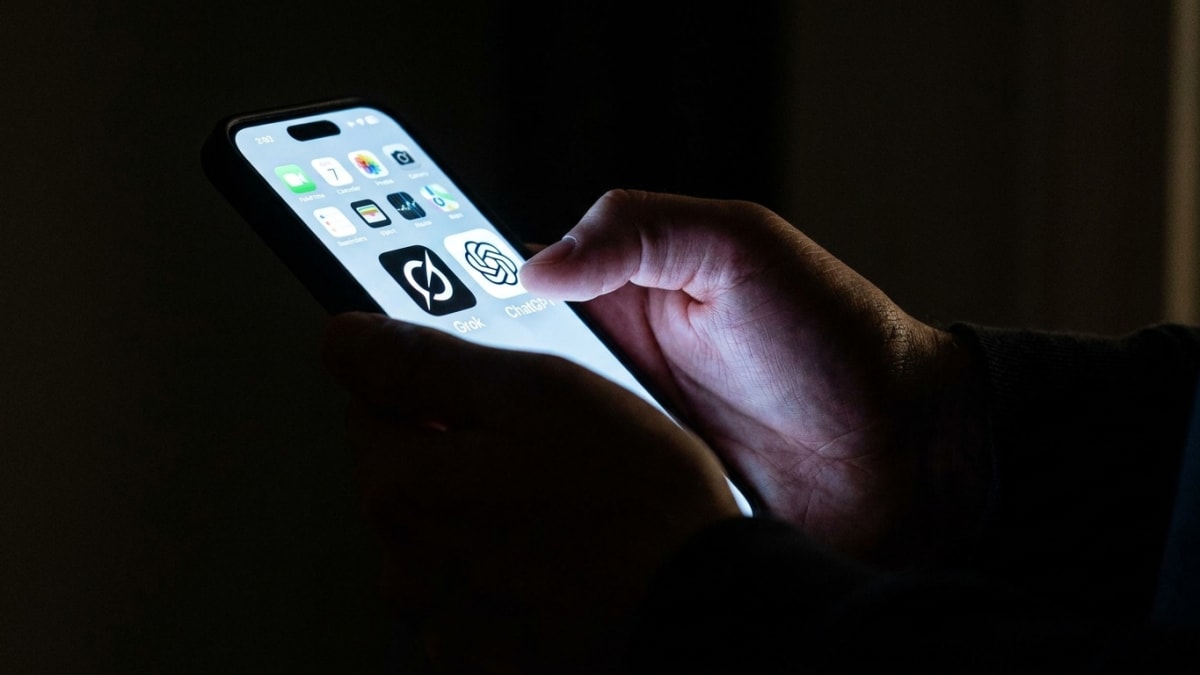
Both factions of the group, ISWAP and JAS, were documented using ChatGPT, Claude, Gemini, Grok, Meta AI and DeepSeek to assist in combat planning and day-to-day operations.[2] Six named frontier models across two rival factions points to deliberate, parallel adoption rather than opportunistic experimentation.
Bomb design and the specialist units
Roughly ten of the 27 interviewees described employing AI to design or troubleshoot explosive devices[3], more than one in three of all people interviewed. That figure reflects reported usage among fighters who agreed to speak to researchers; actual adoption within active units remains unknown.
Both ISWAP and JAS went beyond individual use and built dedicated AI units staffed by specialists.[3] One former JAS commander described a cell of 23 members working from a solar-powered room, an arrangement that points to sustained infrastructure investment rather than improvised access. Solar power in a conflict zone is a logistical commitment; it keeps systems running when grid access is severed or under surveillance.
ISIL supporters were separately documented sharing methods to bypass AI safety controls, with that activity recorded as recently as 18 September 2026.[3] The Cambridge findings and the ISIL documentation together suggest the Boko Haram study captures an emerging operational pattern across multiple armed groups rather than an isolated case.
Where the safeguards stand
OpenAI said: "We have a zero-tolerance policy for using our tools to assist in committing violence."[4] OpenAI also said it revokes access when users request tactical or bomb-making advice. Google's published AI Principles commit the company to not designing or deploying AI in weapons or other technologies whose principal purpose or implementation is to cause or directly facilitate injury to people.[5]
Published policies set a ceiling on what companies permit; they do not determine what users attempt. The Cambridge study covers 27 people who described sustained, multi-model use across two factions, which implies that at least some queries cleared whatever filters were in place at the time, or that fighters found workarounds. The study does not specify which models returned which responses, a gap that will matter to policymakers evaluating which safeguard architectures held and which did not.
The research was conducted across 2025 and 2026 and published in July 2026, with additional documentation emerging through September 2026.[1]
KEY TAKEAWAYS
SOURCES & CITATIONS
FREQUENTLY ASKED QUESTIONS
Which AI models did Boko Haram members describe using?
How many former fighters described using AI for bomb design?
What are OpenAI and Google doing to prevent this kind of misuse?
Zara Kincaid writes about artificial intelligence and search. Her focus is what happens to businesses when the front page of the internet stops being a list of links and starts being an answer.