

TLDR
AirTrunk has backed Sydney start-up Emergence Quantum to develop cryogenic cooling systems for data centres, signing a memorandum of understanding on 15 September 2026. The technology, borrowed from quantum computing, targets chip performance gains, lower water use and gigawatt-scale renewable energy storage.
A quantum trick, scaled up
Data centres have a water problem. Australian data centres consumed an estimated 5.5 gigalitres of water for cooling in 2025, equal to 0.04 per cent of the nation's total industrial water use.[1] AirTrunk, the hyperscale operator acquired by funds managed by Blackstone and CPP Investments in a deal valuing the business at over A$24 billion, is betting the answer runs colder than anything conventional engineering has attempted.
On 15 September 2026, AirTrunk signed a memorandum of understanding with Sydney start-up Emergence Quantum to develop cryogenic cooling systems for next-generation data centres.[2] The arrangement gives Emergence Quantum access to AirTrunk's operating facilities for testing, alongside capital to advance the technology toward three said goals: improved silicon chip performance, reduced cooling water consumption and gigawatt-scale storage of intermittent renewable energy.[2]
Where the technology comes from
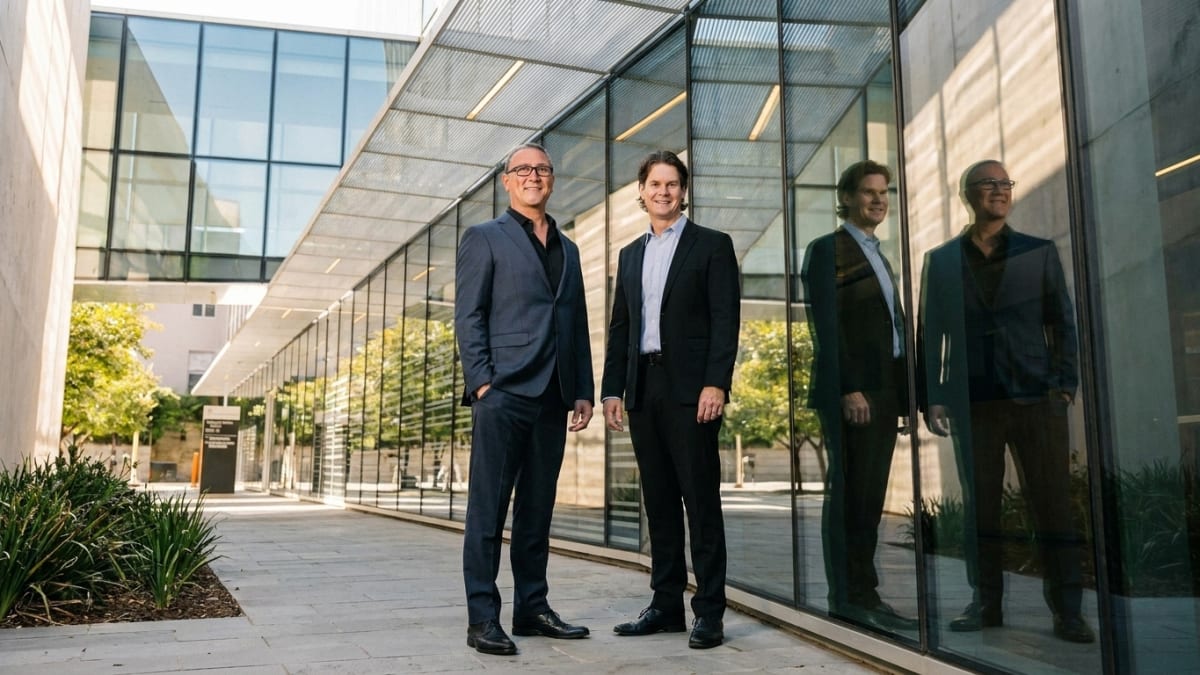
Emergence Quantum was co-founded by Professor David Reilly and Professor Thomas Ohki, researchers whose backgrounds sit squarely in quantum hardware, where operating equipment below minus 150 degrees Celsius is standard practice.[2] Reilly said the economics had shifted. "It's been understood for decades that computers run significantly faster and more efficiently in the cold, but there are challenges and costs to cooling that have so-far limited this approach to niche applications. The scale of data centres and tiny size of transistors today changes all that, the cryo-computing epoch has arrived."[2]
Australia's industrial cryogenics base, built through LNG processing and hydrogen technology, gives local start-ups a practical advantage in scaling these systems beyond the laboratory.[1] Whether that translates into commercially viable data centre infrastructure is precisely what the partnership is designed to test.
What AirTrunk gets from it
Jose Castaneda, AirTrunk's Vice President for Innovation and Intelligence, said the company's responsibility as digital demand grows is to find new ways to deliver infrastructure more efficiently, and that the Emergence Quantum partnership challenges the status quo on how data centres can act as broader enablers of innovation.[2] Blackstone and CPP Investments agreed to acquire AirTrunk from Macquarie Asset Management and PSP Investments in September 2024 at an implied enterprise value of over A$24 billion.[3] At that scale, marginal gains in energy and water efficiency feed directly into operating margins, which gives the cryogenic bet a financial logic that sits well beyond the sustainability narrative.
The memorandum of understanding sets out the research agenda but stops short of any commercial deployment commitment. The next milestone worth watching is whether prototype testing inside AirTrunk's live facilities produces performance data that justifies a full engineering programme.
KEY TAKEAWAYS
SOURCES & CITATIONS
FREQUENTLY ASKED QUESTIONS
What is cryogenic cooling for data centres?
Who owns AirTrunk?
How much water do Australian data centres use?
Vikram Singh writes about banking. He follows where money actually moves, from the strategy set in head office to what changes on a customer's phone.