

TLDR
Washington has assembled more than $100 million in rewards for information leading to the arrest or conviction of eight leaders of Mexico's Jalisco New Generation Cartel. El Mencho, the cartel's founder, carries the largest single bounty at up to $10 million.
Eight names, eight indictments, one very large number
The US State and Justice Departments have placed a combined bounty pool of more than $100 million on eight leaders of the Jalisco New Generation Cartel, known by its Spanish initials CJNG. It is the most concentrated financial pressure campaign Washington has mounted against a single Mexican criminal organisation. Rewards are offered under the State Department's Narcotics Rewards Program, which pays informants for actionable intelligence leading to an arrest or conviction.
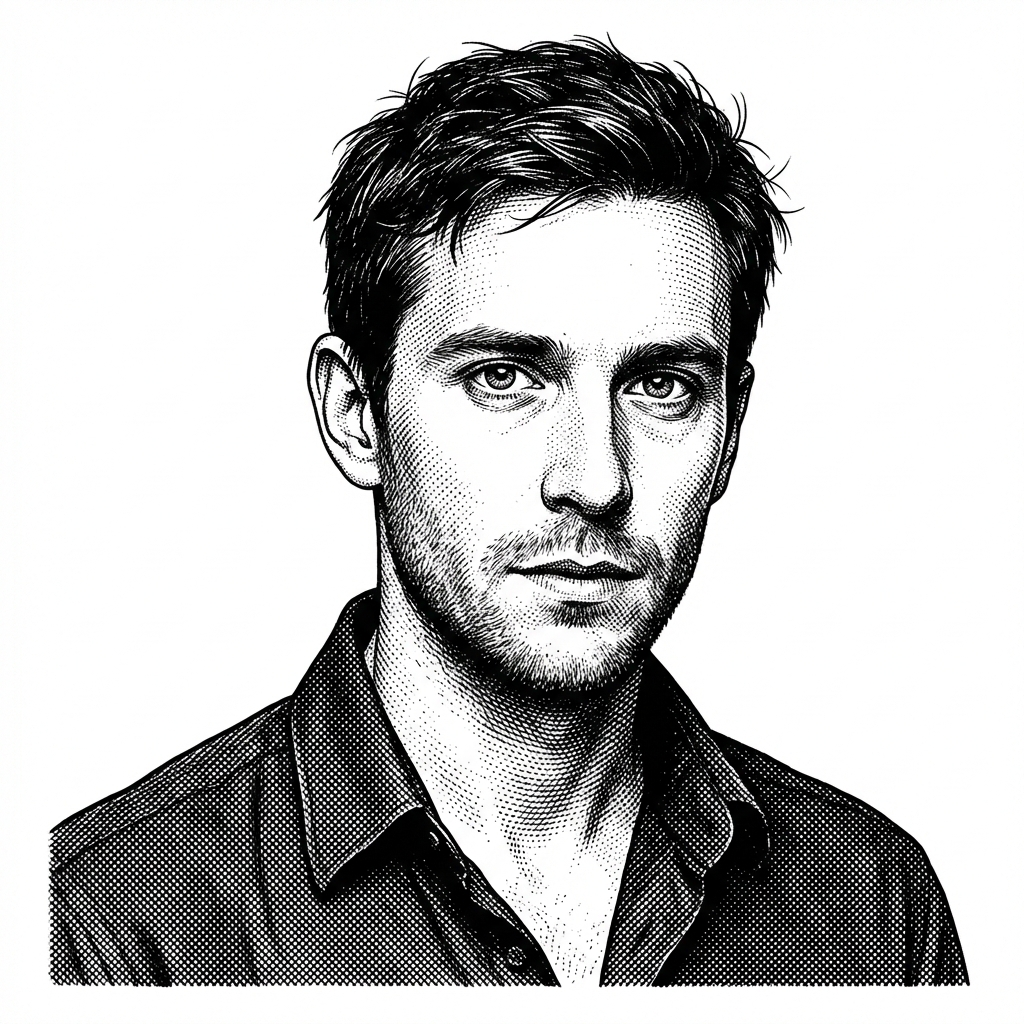
At the top of the list sits Nemesio Rubén Oseguera Cervantes, the cartel's founder and operational chief, who goes by the alias El Mencho. The State Department is offering up to $10 million for information leading to El Mencho's arrest and/or conviction, making his bounty the largest individual reward in the package.[1] El Mencho faces federal charges including leading a continuing criminal enterprise, conspiring to distribute methamphetamine, cocaine and fentanyl for unlawful importation into the United States, and using a firearm during drug trafficking crimes.[1]
A superseding indictment against El Mencho was unsealed by the Justice Department on 16 October 2018.[2] He has not been taken into custody and remains at large.
The other seven targets
The remaining seven named figures each carry rewards of up to $5 million. Erick Valencia Salazar, known as El 85, was charged in October 2018 with conspiracy to distribute significant quantities of narcotics for illegal importation into the United States.[2] Rubén Oseguera González, known as Menchito and understood to be El Mencho's son, faces a 2017 indictment charging him with conspiracy to distribute narcotics and use of a firearm in relation to drug trafficking.[2]
Brothers Abigael González Valencia and José González Valencia lead the Cuinis organisation, an affiliate structure embedded within CJNG. Both face charges of leading a continuing criminal enterprise, conspiracy to distribute narcotics and firearm offences, with rewards of up to $5 million each on offer.[2] Jesús Contreras Arceo, alias Canasto, was charged under a 2017 indictment with conspiracy to distribute narcotics and conspiracy to commit money laundering.[2]
Juan Carlos Valencia González and Audias Flores-Silva round out the list. Both are described as high-ranking CJNG operatives charged with conspiracy and distribution of controlled substances and use of firearms, with rewards of up to $5 million each previously announced under the Narcotics Rewards Program.[3] Juan Pérez-Vargas, alias Piolín, faces a 2017 indictment charging him with conspiracy to distribute significant quantities of narcotics for illegal importation.[2] All charges against all eight individuals remain allegations; none has been convicted.
What CJNG is and how it got here
CJNG emerged in 2009 from a split in the Milenio Cartel and now operates across 23 of Mexico's 31 states, according to Justice Department records.[2] Under El Mencho's command the organisation expanded through disciplined command-and-control structures, sophisticated money-laundering networks and alliances with smaller regional groups. Its reach into US distribution networks made it a priority target for American counter-narcotics agencies well before the current reward package was assembled.
By the late 2010s the cartel had moved beyond cocaine and methamphetamine into fentanyl, the synthetic opioid driving mass-casualty overdose rates across the United States. CJNG's capacity for extreme violence, including targeted assassinations, mass-casualty attacks and the use of military-grade weaponry, compounded Washington's urgency.[2]
CJNG is one of Mexico's most violent and prolific drug trafficking organizations, flooding the U.S. with fentanyl and methamphetamine, causing overdose deaths and shattering communities.
2021-12-02 · View on XActing DEA Administrator Uttam Dhillon said at the time the original indictments were unsealed: "DEA has a strong partnership with the Government of Mexico that is demonstrated in the relentless pursuit of the violent leadership of the CJNG cartel. We will continue to work closely with our international partners to bring Nemesio Rubén Oseguera Cervantes aka El Mencho to justice and dismantle drug cartels like CJNG."[2]
Then-Attorney General Jeff Sessions was equally direct. Sessions said: "We will continue to hammer transnational criminal organizations like the Cartel de San Jalisco Nueva Generacion, or CJNG. The DEA has said for three years in a row that Mexican drug cartels are the single gravest drug threat that this country faces."[2]
$100 million in context
The $100 million aggregate figure is large by any historical measure of US narcotics reward programmes. The State Department's standard Narcotics Rewards Program ceiling for a single target has long sat at $5 million; El Mencho's $10 million reward required a specific uplift, reflecting the cartel's scale and the difficulty of penetrating its leadership structure.[1] The interagency architecture behind the programme combines Justice Department indictments, State Department reward offers, DEA intelligence operations and Treasury Department sanctions under the Kingpin Act, with the aim of making every financial and legal pathway simultaneously costly for targeted figures.[2]
Since 2015, the US government has designated key CJNG figures as foreign narcotics kingpins, unsealed dozens of indictments, and assembled rewards totalling over $100 million for actionable information against top cartel operatives.[2] The scale of the investment reflects Washington's conclusion that CJNG cannot be disrupted through Mexican enforcement action alone.
The diplomatic fault line
The reward programme sits inside a broader and increasingly tense bilateral relationship. Mexico's government has pushed back formally against US moves to designate cartels as foreign terrorist organisations, framing the designations as a violation of Mexican sovereignty. The concern is not merely symbolic: a terrorism designation opens the door to unilateral US action, including potential military or special-operations activity on Mexican soil, that Mexican administrations across the political spectrum have consistently rejected.
Washington has pressed ahead regardless, arguing that the fentanyl death toll inside the United States leaves it no choice but to treat cartel leadership as a national security threat rather than a foreign law enforcement matter. The reward programme is, in structural terms, a tool that keeps pressure on without requiring Mexican government cooperation for each individual enforcement step. El Mencho has evaded capture despite being the subject of US federal charges since 2018.[2]
KEY TAKEAWAYS
SOURCES & CITATIONS
FREQUENTLY ASKED QUESTIONS
Who is El Mencho and why does he carry the largest bounty?
Have any of the eight named individuals been convicted?
What is CJNG's connection to fentanyl trafficking into Australia and the US?
Why has Mexico objected to US cartel terrorism designations?
Caleb Reed covers breaking news and sport. He works to the rhythm of a story as it unfolds, and he is happiest when the facts arrive faster than anyone can spin them.


