
TLDR
Stirling Property Funds has sold the McGraths Hill Home large-format retail centre in Sydney's north-west to Centennial for $66.8 million, a 21 per cent premium on its $55 million purchase price. The fully leased centre, anchored by Bunnings and Harvey Norman, sits in one of Sydney's fastest-growing residential corridors.
The deal and what changed hands
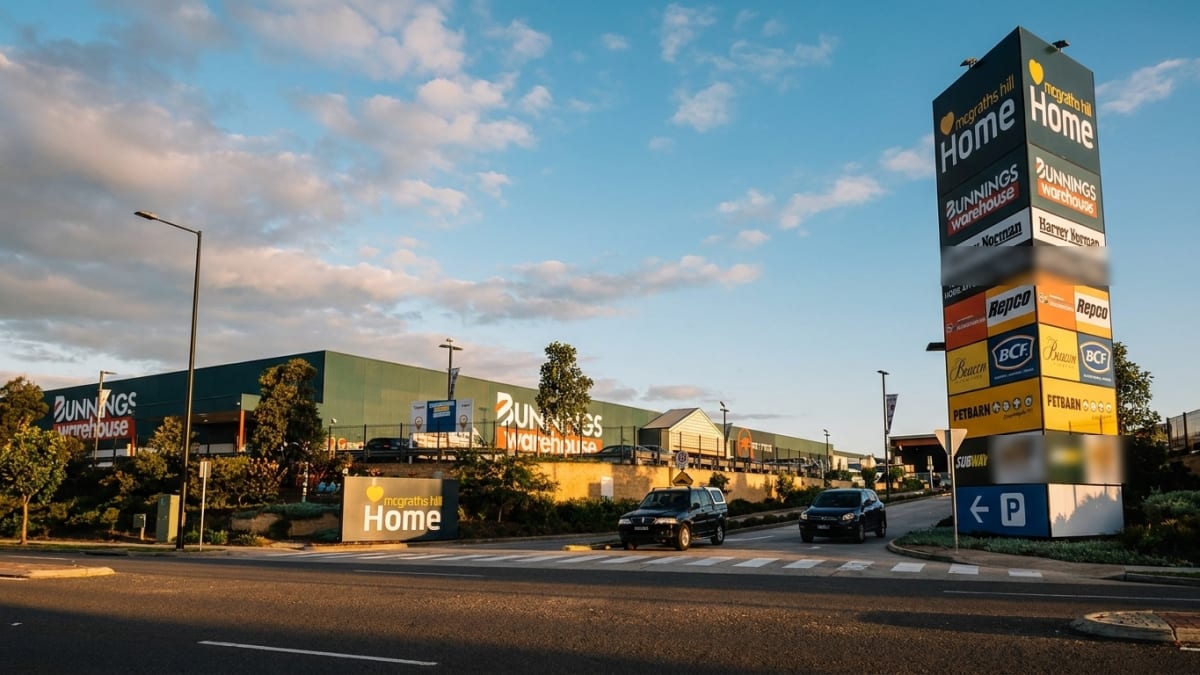
Stirling Property Funds has sold the McGraths Hill Home large-format retail centre in Sydney's north-west to boutique fund manager Centennial for $66.8 million, locking in a 21 per cent gain on an 18-month hold.[1] Centennial is a national manager with more than $1.8 billion under management and a said average internal rate of return of around 22 per cent across its realised asset sales.
The asset is a single-level homemaker centre on Castlereagh Road, McGraths Hill, roughly 50 kilometres north-west of the Sydney CBD. The centre is 100 per cent leased to six tenants: Bunnings, Harvey Norman, Beacon Lighting, Petbarn, Repco and Subway.[2] Every name on that list sells goods people tend to buy in person, haul home in a ute and cannot easily source from a CBD store.
The numbers, read carefully
Stirling originally paid $55 million for the centre in November 2024.[3] The $66.8 million exit price represents a 21 per cent uplift, with the gap between entry and exit sitting at $11.8 million before costs and tax.[1] The company-reported target gross tax equivalent total return was 18.7 per cent per annum, above a said 17 per cent per annum threshold, across the roughly 18-month hold period.[2]
Those figures come from Stirling's own fund documents and Centennial's investment materials. Bushletter could not independently verify the net return calculations, which are based on the managers' own modelling, so investors should treat them as target or reported outcomes rather than audited third-party verified returns.
What Stirling said about buying it in the first place
When Stirling acquired the centre in late 2024, Scott Girard, the firm's Head of Property, said the large-format retail sector offered something most other commercial property plays could not match at that point in the cycle. "The sector provides exceptional investment fundamentals with the ability to acquire quality assets such as McGraths Hill Home at prices well below replacement cost," Girard said.[3] The acquisition was structured as a single-asset fund and was well subscribed among Stirling's existing client base.
Girard also said investor appetite for large-format retail had remained durable. "The acquisition of McGraths Hill Home was well supported by our clients, who continue to be attracted to investment opportunities within the LFR sector," he said.[3] The swift turnaround from acquisition to sale suggests that thesis played out, at least on this deal.
Why location is doing a lot of the lifting here
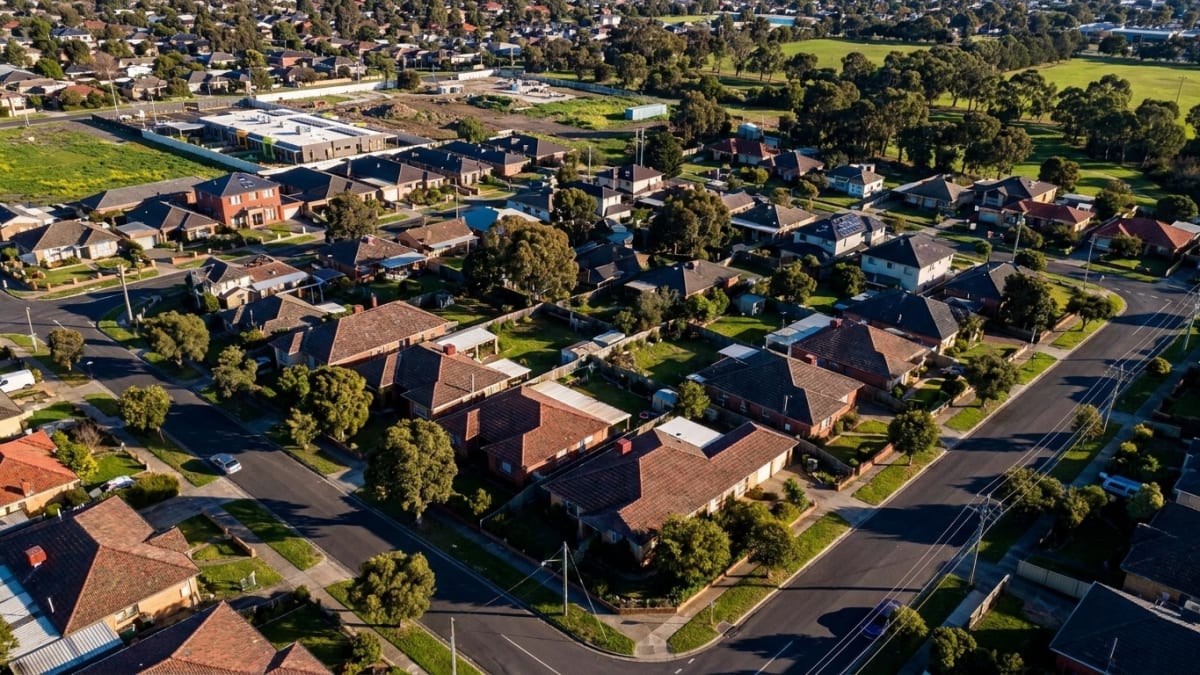
Population in Sydney's North West Priority Growth Area has expanded at 4.6 per cent per annum, compared with the Sydney average of 1.3 per cent, and the corridor is forecast to add more than 30,000 new residents over the next decade.[1] That kind of residential growth does not just fill new housing estates; it fills Bunnings car parks on a Saturday morning and drives sustained foot traffic to the daily-needs and home-improvement retailers that anchor centres like this one.
Large-format retail has quietly become one of the more reliable income plays in Australian commercial property over the past decade. The sector accounts for an estimated 20 to 25 per cent of total retail sales in Australia, underpinned by constrained supply of suitable zoned land and mid-single-digit annual growth in household goods spending.[3] Homemaker sites also carry development optionality that a multi-level suburban shopping centre simply cannot offer.
Who Centennial are and what they will do with it
Centennial was established in 2012 and describes itself as a boutique national property fund manager focused on value-add strategies in retail and industrial assets. The firm has accumulated more than $1.8 billion in assets under management and has averaged around 22 per cent IRR on its realised asset sales, based on its own reported figures.[1] Those are manager-reported numbers, not independently audited outcomes.
Centennial is acquiring the centre through its Home Enhanced Value Fund, a vehicle pitched at investors seeking exposure to large-format retail in high-growth residential corridors.[1] With all six tenants in place and no vacancy to fill, Centennial can focus on lease management and any medium-term development angle the site allows, rather than the harder work of leasing up an empty shed. The population growth story in Sydney's north-west provides the structural tailwind the fund is built around.
For the broader large-format retail market, this transaction adds another data point to the argument that the sector is attracting serious institutional capital at prices reflecting genuine confidence. A 21 per cent uplift in 18 months on a fully leased suburban homemaker centre in a corridor forecast to add 30,000 residents over the next decade is a result grounded in supply constraints and sustained household goods demand.
KEY TAKEAWAYS
SOURCES & CITATIONS
FREQUENTLY ASKED QUESTIONS
Who sold McGraths Hill Home and for how much?
What tenants are in the McGraths Hill Home centre?
What return did Stirling report on the deal?
Why is McGraths Hill considered a high-growth location?
What is Centennial and what will it do with the asset?
Gavin O'Malley writes about property and housing. He spends his time at auctions and on building sites, and is more interested in what buyers and builders are actually paying than in what the forecasts say.