By Lachlan Voss · April 7, 2026
TLDR
OpenAI acquired TBPN, Technology Business Programming Network, on April 2 for a price the Wall Street Journal reported as 'low hundreds of millions.' Hosts John Coogan and Jordi Hays built a daily streaming show that became required viewing for Silicon Valley executives. OpenAI's stated rationale is narrative shaping. The actual rationale is more interesting.
KEY TAKEAWAYS
John Coogan broke the news to TBPN's live audience himself. "April Fools was yesterday," he told viewers, minutes after the acquisition announcement dropped. That framing, reassurance that the deal was real, tells you something about how the audience received it. Surprise is the correct response.
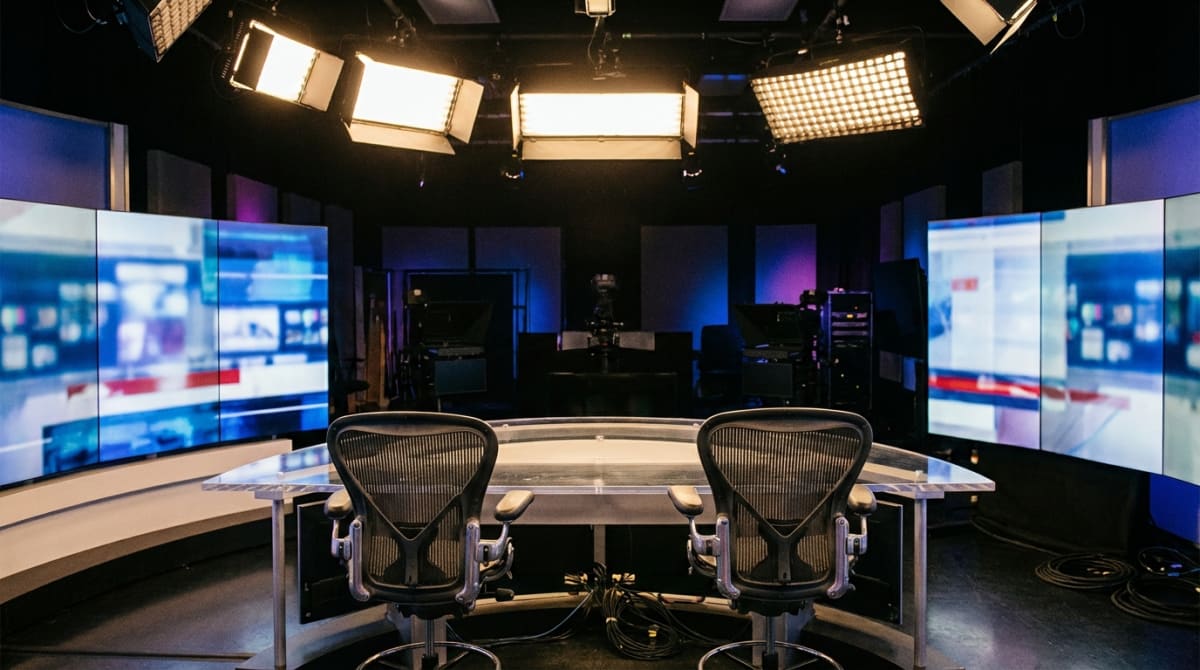
TBPN is Technology Business Programming Network, a daily streaming show that Coogan and Jordi Hays launched roughly 18 months ago. It streams on YouTube and X. For the past year, having every chief executive in Silicon Valley queue up for an appearance became TBPN's unofficial reputation. And last week, OpenAI bought it. The WSJ put the price in the "low hundreds of millions." Let's say $150 million to $300 million, as that's the range that phrase covers.
What OpenAI Says It Bought
OpenAI's chief of strategy said the acquisition would help the company "engage with the public about AI as it evolves." Fidji Simo shared the announcement. The editorial independence pledge came with it. This is what every media acquisition says when it happens. The editorial independence track record of tech-company-owned media properties is, charitably, mixed.
The Fortune analysis was more candid. TBPN has a specific audience: the people who build and fund tech companies. That audience has strong opinions about OpenAI. A company that just completed an $852 billion valuation funding round has real interest in how its story is told to the exact demographic that sits on the boards and investment committees that shape its competitive environment.
That is called ownership. Ownership and editorial interference are different things, but they produce similar outcomes over time. How long before a TBPN host wants to run a critical segment about OpenAI's governance and someone at the top finds a reason to reschedule it?
The Cost Argument, Such As It Is
CNBC called the deal "chasing vibes." That criticism has more force than it might appear. The TBPN acquisition comes after OpenAI paid $6.4 billion for Jony Ive's nascent device startup, a product that doesn't exist yet at a price that would be extraordinary for a product that does. Two consecutive large acquisitions outside OpenAI's core model and API business suggest a company that is growing in many directions at once.
Companies with $122 billion in fresh capital and an $852 billion valuation are supposed to allocate capital aggressively. The question is whether spending low hundreds of millions to acquire a streaming show with an 18-month track record is the right allocation, or the kind of purchase that looks obvious in hindsight as a mistake.
The strongest case for the deal is not editorial influence. It's distribution. TBPN has an audience that is genuinely hard to reach through conventional advertising. Senior tech executives who are ad-literate, skip-forward instinctive, and deeply resistant to overt brand positioning. Owning the show means OpenAI is in the room, every day, with the people whose opinions about AI shape how it gets regulated, funded, and deployed at scale.
What the Founders Got
Coogan and Hays got a life-changing exit at an age and stage where such exits are rare. They built something in 18 months that a company valued at $852 billion decided was worth hundreds of millions. That is an extraordinary return on a relatively short build. Frankly, whether TBPN's value holds under OpenAI ownership is the question that will determine whether this was a good deal for anyone other than the founders.
OpenAI has said the right things. The editorial independence pledge is real, until it isn't. The incentives of an $852 billion company and an editorially independent show that covers AI news are not perfectly aligned. They are manageable with careful structural separation. Whether that separation holds is a governance question that OpenAI's board will need to take seriously. It usually doesn't, until it's too late.
SOURCES & CITATIONS
FREQUENTLY ASKED QUESTIONS