
TLDR
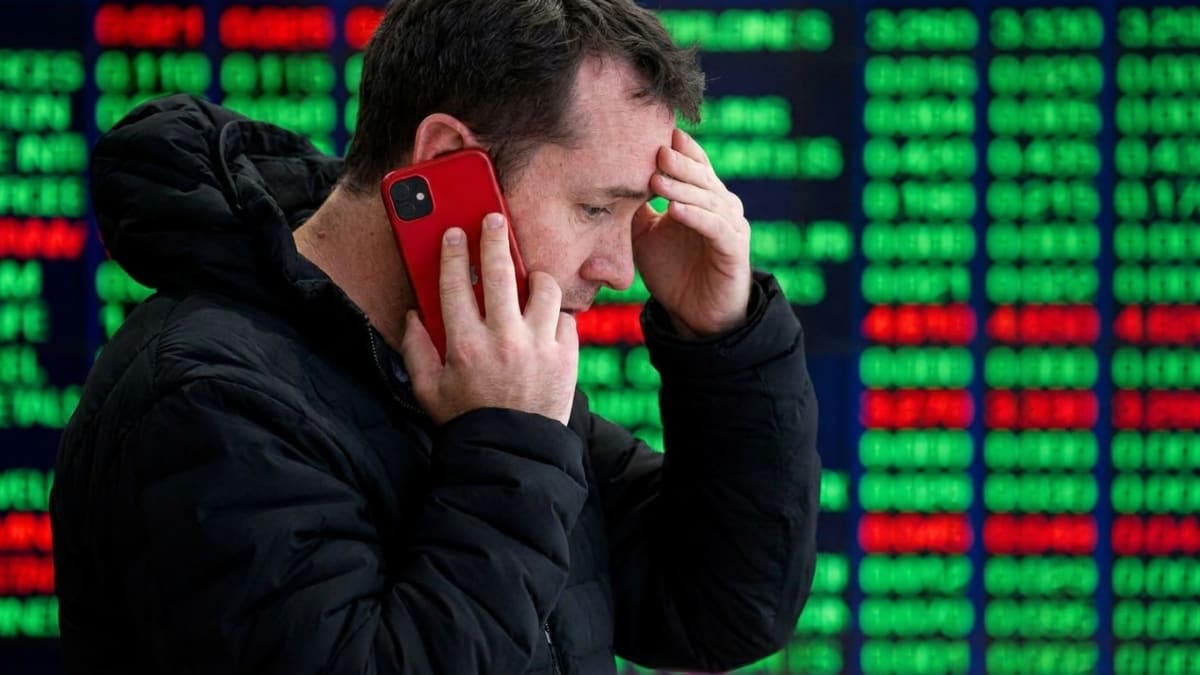
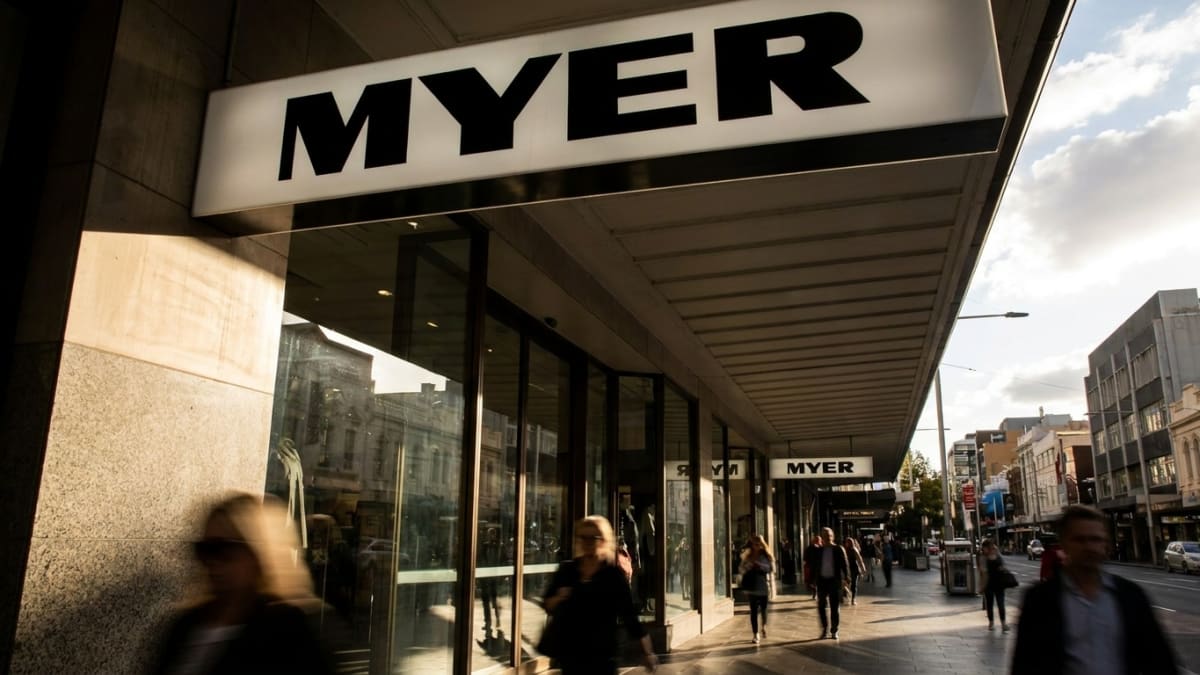
Myer recorded a statutory net loss of $276.5 million for the year to July 2026, driven almost entirely by a $279.6 million impairment charge on goodwill and store assets. Underlying profit fell 2.9 per cent to $42.5 million, no final dividend was declared, and shares still rose about 10 per cent as investors looked past the write-down.
The number that matters, and the one the market chose to ignore
Strip out the accounting adjustment and the picture changes sharply. A $279.6 million post-tax impairment charge on goodwill, brand intangibles and store assets accounts for nearly the entire statutory loss of $276.5 million[1]. Myer's trading business underneath that write-down generated $42.5 million in underlying profit after tax, down 2.9 per cent on the prior year.[1]
Myer shares rose about 10 per cent to 19.25 cents on 23 September 2026[1], which tells you how the market read the result: the impairment is a balance-sheet correction, not evidence of stores failing. Goodwill gets written down when higher discount rates and a softer trading outlook push the recoverable amount below carrying value, and that is the mechanical story here rather than any sudden operational collapse.
What Olivia Wirth said about the second half
Myer Executive Chair Olivia Wirth drew a clear line between the two halves of the financial year, telling investors the second half of FY26 was characterised by a volatile and significantly more challenging macroeconomic and retail environment than 1H26 or FY25.[1] The first half held up well enough; something shifted noticeably from roughly February onwards.
Three successive cash rate rises, elevated petrol prices linked to Middle East supply disruptions, and a cooling housing market all reduced the discretionary spending power of the borrower households that walk through Myer's doors for fashion, homewares and beauty purchases. Those categories are exactly where consumers trim first when mortgage repayments rise or the fuel bill jumps.
What the sales number says
Comparable sales grew 0.7 per cent year on year to $4.1 billion[1], a figure that reads as resilience until you place it next to inflation. At 0.7 per cent nominal growth across a full year, real sales volumes moved sideways at best, and the cost of holding that position squeezed underlying profit from roughly $43.8 million in FY25 to $42.5 million in FY26.
Australian Bureau of Statistics data shows household spending volumes rose 0.7 per cent in the June quarter 2026, driven partly by discretionary goods and services.[2] That macro figure lines up with Myer's own comparable sales number: the discretionary sector stabilised rather than contracted outright, but growth was thin and competition for each consumer dollar was intense.
The dividend decision and what it signals
Myer did not declare a final dividend for FY26, leaving shareholders with only the 1.5 cents per share interim payment made earlier in the year.[1] Distributing capital while writing down $279.6 million in assets would be a difficult position to defend, and retaining cash preserves flexibility heading into a trading environment management has already flagged as volatile.
Reserve Bank Governor Michele Bullock acknowledged the tension in the consumer backdrop earlier this year, telling audiences that while households remain cautious, spending has been more resilient than sentiment alone might suggest.[3] For Myer's planning team that observation cuts both ways: spending has held up, but caution at the margin is what determines whether a customer buys the full-price jacket or walks past it.
What this result tells the broader discretionary sector
Department stores carry high fixed costs from large-format leases and legacy store networks, and their sales skew heavily toward the categories consumers sacrifice first under financial pressure. Myer's 0.7 per cent comparable sales growth against that backdrop is defensible, though the underlying profit decline confirms that the cost of maintaining that growth eroded margins.
The impairment charge is the most telling figure in the full-year accounts. Goodwill and brand intangibles are written down when recoverable amounts fall below carrying value, typically because future cash flow forecasts are revised lower or discount rates move up, and three rate rises alone would be enough to trigger a review across a portfolio of this size. Myer's next scheduled trading update will cover the start of FY27 and the critical summer and Christmas trade period.
KEY TAKEAWAYS
SOURCES & CITATIONS
FREQUENTLY ASKED QUESTIONS
Why did Myer report such a large loss if the business is still trading?
Will Myer pay a dividend for FY26?
What drove the difficult second half of the year?
Vikram Singh writes about banking. He follows where money actually moves, from the strategy set in head office to what changes on a customer's phone.