

TLDR
Eli Lilly has crossed a US$1 trillion market capitalisation on the back of its GLP-1 drugs Mounjaro and Zepbound, which together generated 56% of company revenue in 2025. The Indianapolis-based pharma giant posted US$19.8 billion in first-quarter 2026 revenue, a 56% year-on-year rise, and lifted its full-year guidance by US$2 billion. Lilly is now pivoting aggressively from treatment toward prevention, acquiring CAR-T, infectious disease and sleep-disorder biotechs while pushing its first oral GLP-1 through FDA approval. Concentration risk around two blockbuster drugs and mounting competition from rivals remain the central challenges facing the company.
KEY TAKEAWAYS
The GLP-1 engine behind a trillion-dollar valuation
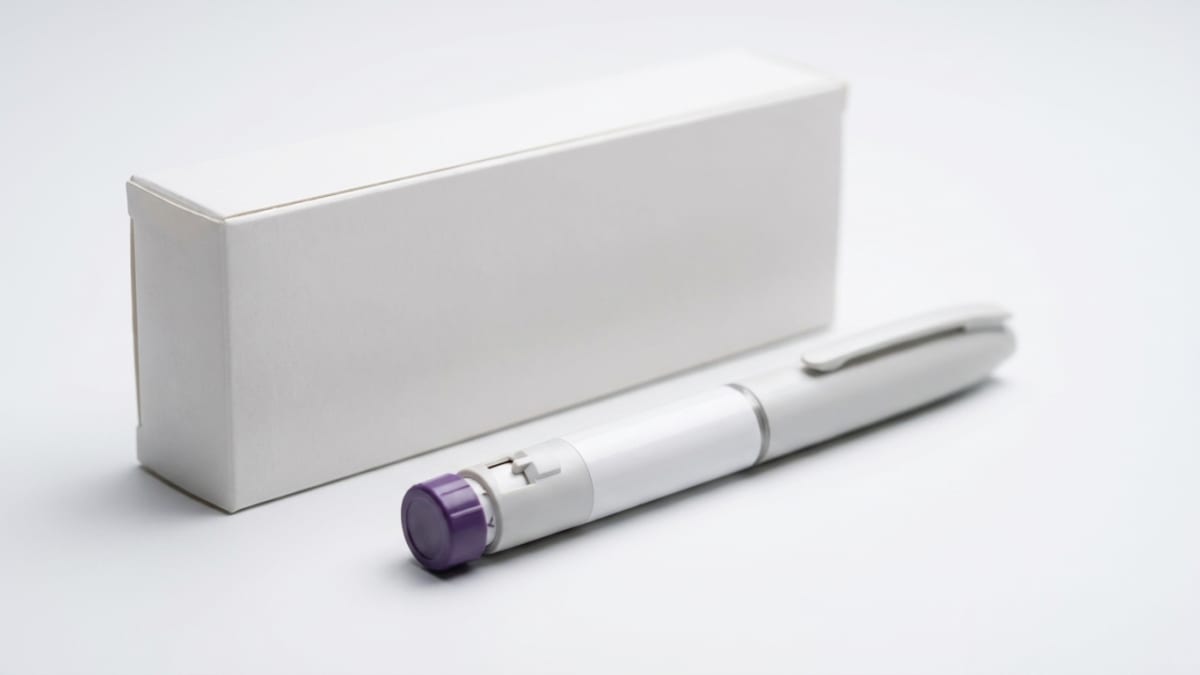
Eli Lilly crossed the US$1 trillion market capitalisation threshold on the momentum of two injectable drugs that have reshaped the global conversation about obesity. Mounjaro and Zepbound, both based on tirzepatide, accounted for 56% of Eli Lilly's total revenues in 2025verifiedVerified Source: sec.gov[3], a concentration that would unsettle most companies but that Lilly has turned into a growth story few in global pharma can match.
Eli Lilly reported Q1 2026 revenue of US$19.8 billion, a 56% increase year-on-year, driven by volume growth in Mounjaro and ZepboundverifiedVerified Source: lilly.gcs-web.com.[1] That result followed a fourth quarter of 2025 in which revenue rose 43% to US$19.3 billion, again on the back of the same two products.[2]
Chief Executive David Ricks said "2026 is off to a strong start, we delivered 56% revenue growth in the first quarter and raised our full-year revenue guidance by $2 billion."[1] The guidance revision signals management sees the volume expansion as durable, not a pull-forward.
The prevention pivot: oral GLP-1s, vaccines and CAR-T
Lilly's strategic ambition has moved well beyond selling weight-loss injections. The company is repositioning itself around disease prevention, a philosophical shift that carries real commercial logic given that GLP-1 receptor agonists have shown effects far beyond glycaemic control, including cardiovascular and renal benefits that regulators and payers are beginning to price in.
The clearest signal of that pivot came with the FDA's approval of Foundayo, Lilly's oral GLP-1 drug known generically as orforglipron, for adults with obesity.[1] An oral formulation removes the barrier of weekly injections, potentially reaching patients who have resisted or been unable to access injectables. It also gives Lilly a first-mover advantage over rivals such as Novo Nordisk, which has its own oral GLP-1 programme, in what could become a far larger market.
The M&A spree: six deals in six months
The acquisition pace reflects a company using its elevated market capitalisation as currency. On 20 April, Lilly agreed to acquire Kelonia Therapeutics to advance in vivo CAR-T cell therapies, which engineer immune cells inside the patient's body rather than in a laboratory, potentially cutting manufacturing costs and broadening access.[5]
On 26 May, Lilly announced three simultaneous agreements: acquisitions of Curevo Inc., LimmaTech and Vaccine Company, all aimed at building an infectious disease portfolio.[4] Vaccines and anti-infectives have been largely absent from Lilly's portfolio for years, so the move represents genuine diversification rather than bolt-on consolidation.
Eli Lilly completed its acquisition of Centessa Pharmaceuticals on 24 June 2026, adding treatments for sleep-wake disorders, a field that sits at the intersection of neurology and metabolic health.[6] It also moved to acquire Ajax Therapeutics, whose lead candidate AJ1-11095 Lilly says could deliver deeper, more durable efficacy than existing treatments across both first- and second-line settings.[7]
The risks: concentration, pricing and competition
The concentration risk around Mounjaro and Zepbound is not subtle. With 56% of 2025 revenues flowing from two drugs built on the same molecular scaffoldverifiedVerified Source: sec.gov, any regulatory setback, manufacturing disruption or significant safety signal carries outsized consequences for the company's valuation. Lilly has invested heavily in manufacturing capacity to address earlier supply shortfalls, but scaling a biologics production network at speed remains operationally demanding.
Pricing pressure is the second structural risk. The Inflation Reduction Act in the United States has opened the door for Medicare drug price negotiation, and GLP-1 therapies, given their enormous cost and patient volumes, are likely candidates for future negotiation cycles. International markets, where Lilly launched Mounjaro in 2025, typically carry lower price points than the United States, meaning the revenue mix could shift unfavourably as global volumes grow relative to domestic sales.
Competition is intensifying across every segment Lilly occupies. Novo Nordisk's semaglutide remains the dominant global GLP-1 brand, and in CAR-T, Bristol Myers Squibb and Gilead Sciences already have products on the market. Lilly is buying into these spaces from behind, not from incumbency.
What it means for global pharma and Australian investors
Eli Lilly's trillion-dollar valuation reflects what the market believes preventive medicine is worth. The GLP-1 category has demonstrated that a drug addressing metabolic disease at scale can generate revenue streams previously associated only with oncology blockbusters, and Lilly has been the clearest beneficiary of that repricing.
Australian investors with exposure to global health funds or index products carrying large-cap US pharmaceutical names will find Lilly's weighting has grown substantially. The stock's rise also has implications for competitors listed on Australian exchanges or held in Australian superannuation portfolios, including companies in diabetes devices, weight management services and competing drug categories, all of which face a market repricing their relative prospects in real time.
Lilly's full-year 2026 revenue guidance, raised by US$2 billion after just one quarter, will be the next concrete test of whether the GLP-1 engine has the endurance the valuation implies, with the company's next quarterly results scheduled to follow the June 24, 2026 Centessa completion.
SOURCES & CITATIONS
- Lilly Reports First-Quarter 2026 Financial Results and Raises Full-Year Guidance
- Lilly Reports Fourth-Quarter 2025 Financial Results and Provides 2026 Financial Guidance
- Eli Lilly Annual Report on Form 10-K, SEC EDGAR, December 31 2025
- Lilly Announces Agreements to Acquire Curevo, LimmaTech and Vaccine Company
- Lilly Announces Agreement to Acquire Kelonia Therapeutics
- Lilly Completes Acquisition of Centessa Pharmaceuticals
- Lilly to Acquire Ajax Therapeutics
FREQUENTLY ASKED QUESTIONS
What drove Eli Lilly's revenue growth in Q1 2026?
What is Foundayo and why does it matter?
Which companies did Eli Lilly acquire in 2026?
What is Lilly's biggest risk?
Simon Wu writes about Asia-Pacific markets and China's economy. He reads the Chinese-language financial press closely and looks for the stories that reach Australia before anyone here notices.


