TLDR
The federal government is reconsidering its working holiday visa overhaul, with reports the third-year cap could rise from 5,000 to 20,000 and the ballot be delayed until early 2027. Industry groups warned the original plan would strip tens of thousands of workers from farms, tourism and hospitality.
What was proposed and what may change
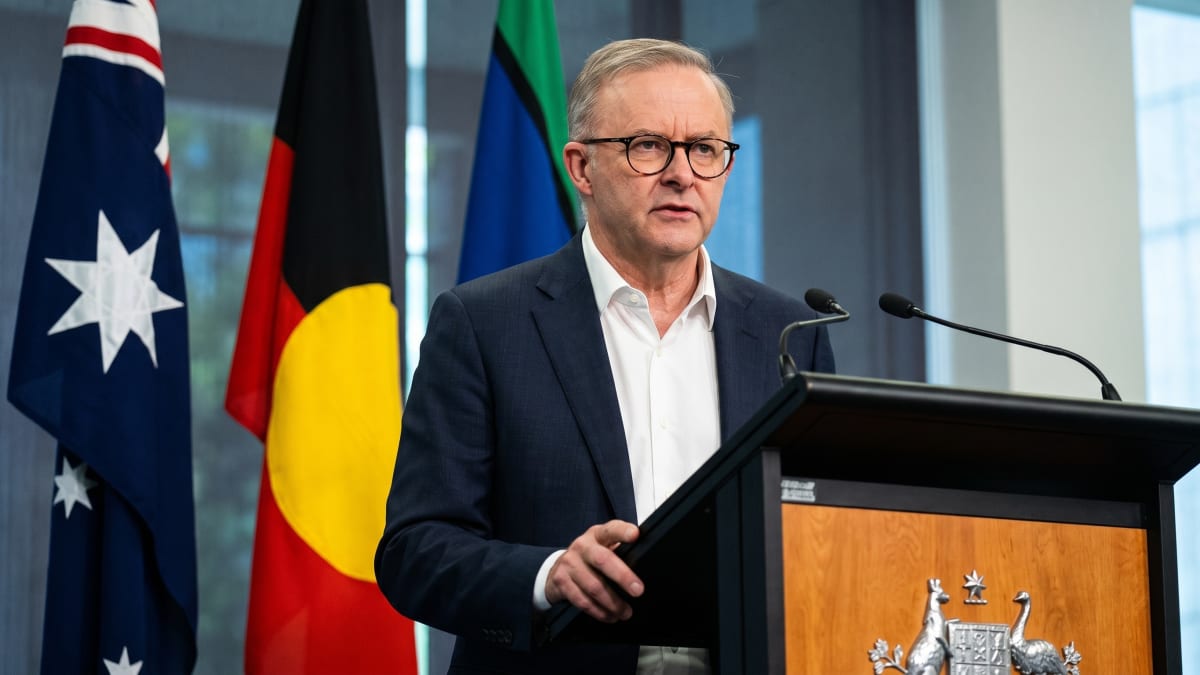
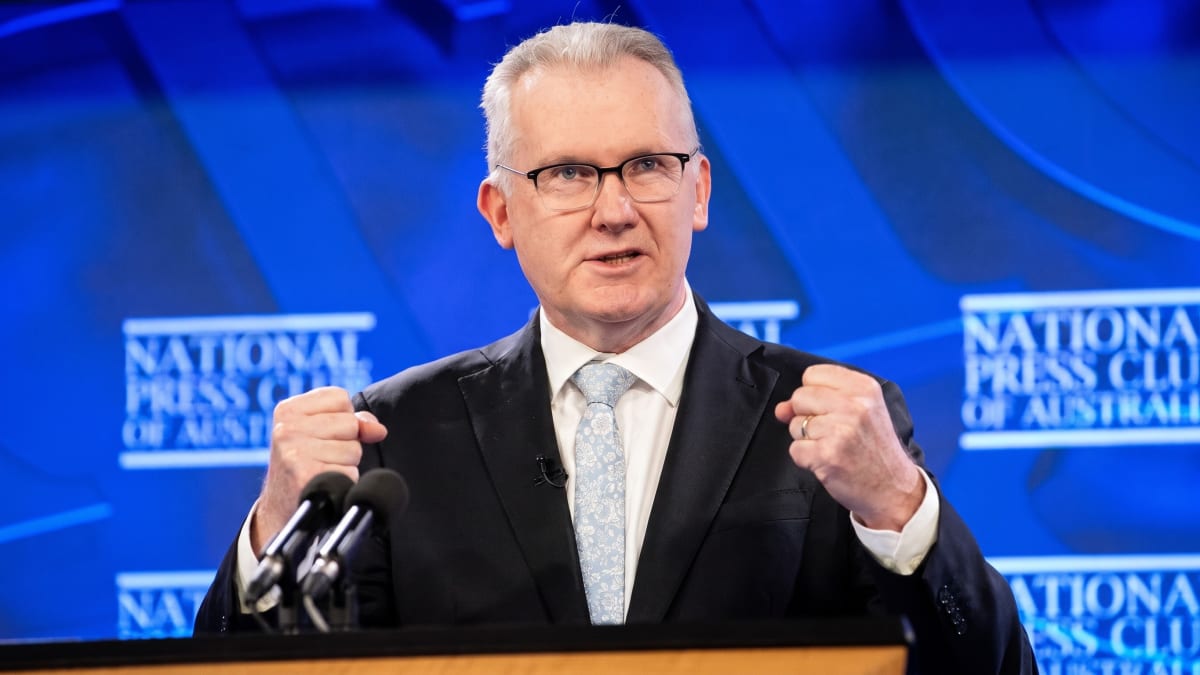
Home Affairs Minister Tony Burke announced a ballot system for second- and third-year Working Holiday Maker visa extensions on 17 September, requiring applicants to complete 88 days of regional work before entering the draw for a second year and six months for a third.[1] The original design capped second-year places at 45,000, against 57,000 people who qualified in the preceding year, and set a third-year ceiling of 5,000, compared with 31,000 people in the comparable qualifying group.[1]
The government is reported to be considering delaying the ballot until early 2027 and lifting the third-year cap fourfold to 20,000, the ABC reported on 13 November. Burke said that day the total numbers he announced at the National Press Club were ones "I cannot shift from" and described possible changes as "tweaks".[2] As of 13 November 2026, those changes had not been published in a revised ministerial statement; the September proposal remained the formal public policy document.
Burke on the UK pressure point
Burke framed the ballot as a response to rapid growth in working holiday numbers, particularly from the United Kingdom. Burke said: "It's now just shy of 80,000 in terms of number of people here in Australia, and it's a level of growth that means we are just at the moment, going to continue to be processing that one slowly."[1]
Burke also told the National Press Club: "What you will be qualifying for is a ballot. Not everybody will get through because we need to have some control and certainty of what those numbers are."[1]
The UK numbers driving the reform
Working holiday grants to UK citizens rose from 47,238 in 2023-24 to 79,412 in 2024-25, a 68.1 per cent increase, according to Home Affairs migration trends data.[4] Further UK visas, covering second and third visas, jumped from 6,985 to 37,029 over the same period.[4]
The surge followed a change that took effect on 1 July 2024, when UK passport holders gained the right to obtain up to three working holiday visas without meeting specified regional work requirements, under arrangements linked to the Australia-UK free trade agreement.[3] Total working holiday grants across all nationalities reached 321,116 in 2024-25, with UK nationals accounting for 79,412, or 24.7 per cent of the total.[4] Home Affairs attributed part of the 36.9 per cent annual rise in total grants to the new UK arrangements.[4]
Industry reaction
The Australian Chamber of Commerce and Industry warned within days of the September announcement that the ballot would gut regional labour supply. Andrew McKellar, ACCI chief executive, said: "Business is concerned the new Working Holiday Makers ballot system is in effect a direct cut to critical workforces."[5]
ACCI argued the original third-year reduction would remove tens of thousands of workers from farms, tourism operators and accommodation businesses each year.[5] The rework under consideration addresses the third-year figure most sharply, though the second-year cap of 45,000 and the regional work prerequisites have not been reported as changing, and the government had not released updated formal arrangements as of 13 November 2026.[2]
KEY TAKEAWAYS
SOURCES & CITATIONS
FREQUENTLY ASKED QUESTIONS