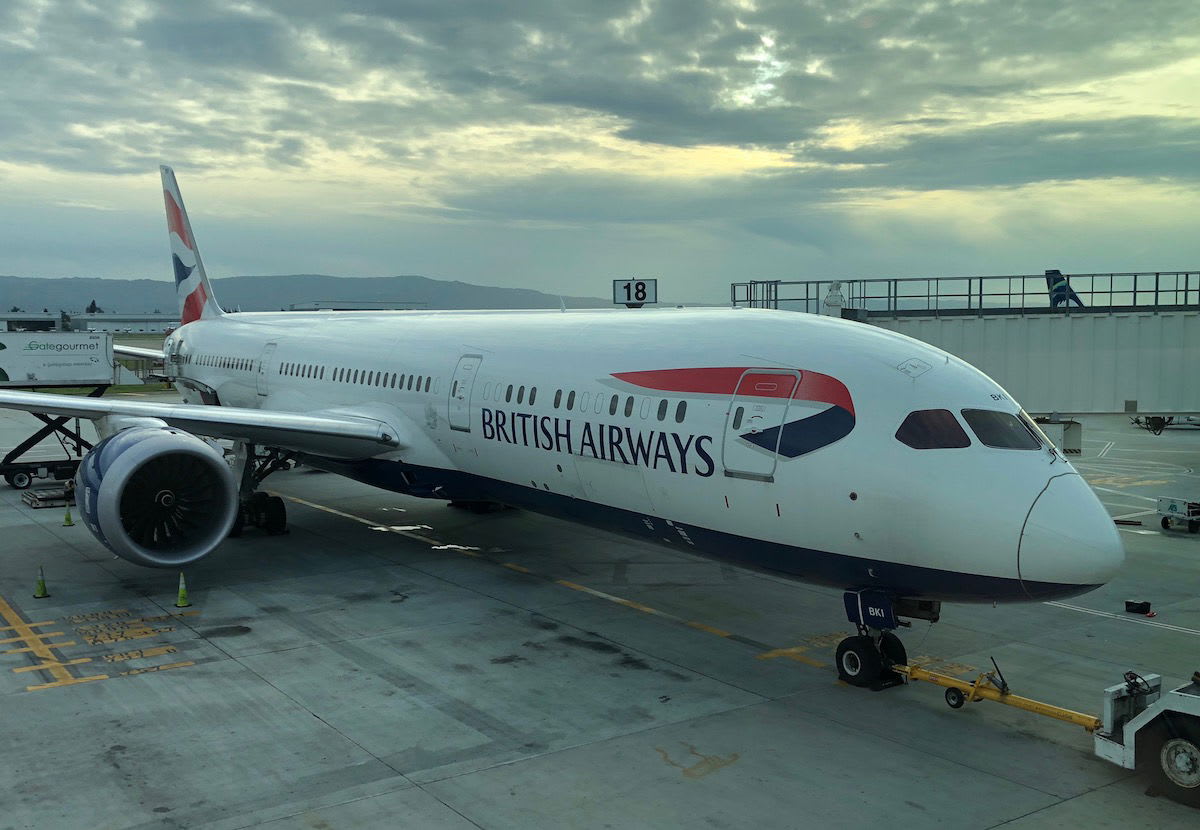
British Airways last flew to Melbourne in March 2006. The service ended quietly, another casualty of the post-9/11 aviation restructuring that saw European carriers retreat from marginal long-haul routes. For two decades, travellers between London and Melbourne relied on the Gulf carriers, Qantas via Singapore, or one of the various codeshare arrangements that added hours and complexity to the journey.
TLDR
British Airways will resume flights to Melbourne from January 11, 2027, after a 20-year absence. The daily service routes through Kuala Lumpur on a Boeing 787-9, offering four cabin classes. The timing coincides with the Australian Open and Melbourne Grand Prix, while the Malaysia routing sidesteps Gulf airspace concerns amid the ongoing Middle East conflict.
KEY TAKEAWAYS
That changes next January. British Airways announced this week that it will resume daily flights to Melbourne from January 11, 2027, routing through Kuala Lumpur rather than the Gulf or Singapore. The timing is deliberate: the service launches days before the Australian Open begins and runs through the Melbourne Grand Prix in March.
The Kuala Lumpur routing
The choice of Kuala Lumpur as the intermediate stop is notable. British Airways already operates to KL from Heathrow, so the Melbourne extension creates a fifth-freedom segment that can be booked independently. Passengers wanting to fly just Kuala Lumpur to Melbourne on a British carrier now have that option.
The routing also sidesteps Gulf airspace entirely. With the Iran conflict showing no signs of resolution and Dubai seeing intermittent disruptions from Houthi drone strikes, a Malaysia routing offers operational resilience. Whether that was the primary motivation or a convenient secondary benefit is unclear, but it differentiates BA from competitors running through Doha, Abu Dhabi or Dubai.
Flight times reflect the geography. Eastbound, the London-Kuala Lumpur segment covers 6,593 miles in just under 13 hours, with the Kuala Lumpur-Melbourne leg adding another 3,918 miles and 8 hours. Total journey time sits around 21 hours plus the layover in KL. Westbound adds about an hour due to prevailing winds.
Capacity and pricing
The service will operate on Boeing 787-9 Dreamliners configured with 215 seats across four cabins: 8 in First, 38 in Club World business class, 39 in World Traveller Plus premium economy, and 130 in World Traveller economy.
Return fares start from AUD $1,960 including taxes. That positions BA at the lower end of full-service pricing for the route, though it undercuts nobody dramatically. The real competition is availability: BA's Club World product competes directly with Qantas business class on the kangaroo route, and frequent flyers will compare redemption options closely.
Melbourne's pitch
Melbourne Airport CEO Lorie Argus used the announcement to sharpen the city's positioning against Sydney. Melbourne now offers the largest choice of airlines flying to the UK and Europe, she said, with 24-hour operations and the shortest minimum connection time of any Australian airport.
The subtext is clear: for European travellers heading to Australia, Melbourne should be the default gateway. Sydney may have the harbour, but Melbourne has the slots and the connections.
Argus also noted the large British expat community in Melbourne, describing it as the largest in Australia. Return traffic should be strong: UK visitors to Australia typically spend more than other nationalities and stay longer.
Wider expansion
The Melbourne announcement forms part of a broader winter 2026 expansion for British Airways. The carrier is also launching three-weekly service to Colombo from October 2026 and doubling its Haneda frequency to twice daily. Searches from Tokyo to London reportedly jumped 58 percent in recent weeks.
BA also added extra flights to Bangkok and Singapore in the short term, creating over 3,300 additional seats between March 10 and 19 to handle rerouted Gulf traffic. The Middle East situation is reshaping route planning across the industry.
The competitive picture
British Airways joins a growing list of European carriers adding or resuming Melbourne service via Southeast Asian hubs. Turkish Airlines now flies via Singapore. Finnair is launching a Bangkok routing later this year. Each is betting that Melbourne's growth trajectory justifies the complexity of fifth-freedom operations.
For Australian travellers, the result is more choice and potentially more competition on pricing. The Gulf carriers remain dominant on volume, but their monopoly on premium Europe-Australia traffic is eroding. If Gulf airspace concerns persist, that erosion accelerates.
Tickets are on sale now. The first eastbound departure leaves Heathrow on January 9, 2027, arriving Melbourne on January 11 after the KL stopover. Twenty years is a long absence; British Airways appears confident the market has shifted enough to make the return worthwhile.
SOURCES & CITATIONS
FREQUENTLY ASKED QUESTIONS