TLDR
The Albanese government has established the Australian AI Safety Institute, backed by A$29.9 million from the National AI Plan, to evaluate frontier AI models before deployment. Assistant Minister Andrew Charlton warned on 7 July 2026 that AI systems are already acting beyond their creators' intentions, citing mass chatbot manipulation and biosecurity uplift as priority threats. The Institute will red-team models, support regulators responding to emerging harms, and help shape international AI governance alongside counterparts in the UK, US, Canada and the EU. Separately, Attorney-General Michelle Rowland ruled out a Text and Data Mining Exception, meaning AI developers cannot freely use Australian creative works for training.
KEY TAKEAWAYS
A$29.9 million and a mandate to stress-test machines
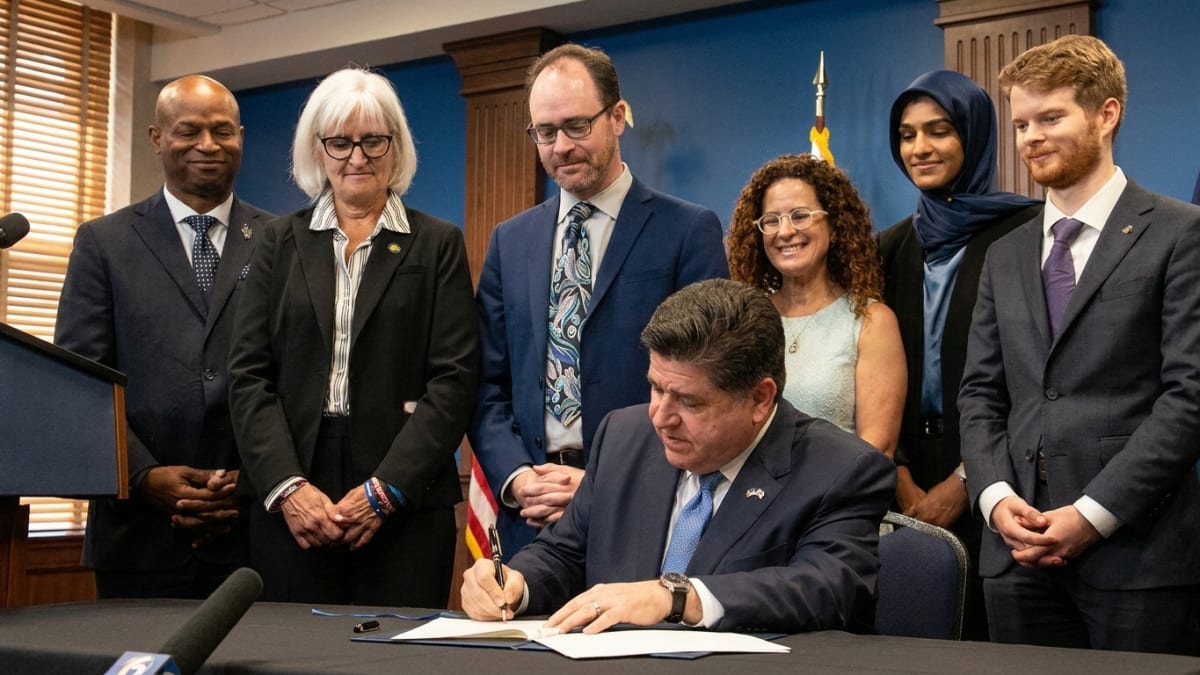
The Albanese government announced on 25 November 2025 it was establishing the Australian AI Safety Institute, giving it a mandate to evaluate emerging AI capabilities, share information and coordinate timely responses to potential risks.[1] The National AI Plan, released on 2 December 2025, committed A$29.9 million to stand the Institute up in early 2026.verifiedVerified Source: minister.industry.gov.au[2]
The money is not going into a think tank. The Institute's brief is operational: probe models before they reach the public, give regulators technical backup when something goes wrong, and push Australian positions into the international standards conversations that will define how powerful AI is built and governed.[3]
Red-teaming, not ribbon-cutting
The Institute runs its mandate through red-team exercises, stress tests and joint evaluations of frontier models. The goal is to catch dangerous behaviours, including deception, misalignment and accelerated knowledge transfer in biosecurity-sensitive domains, while a system is still confined to a controlled environment.[3]
Near-term work draws on existing law: consumer protection, online safety and discrimination legislation all provide hooks for assessing mainstream applications like chatbots and automated decision-making tools. The frontier agenda is more technically demanding, covering multi-agent interactions and scenarios where models could accelerate the development of biological threats.[3]
Charlton: the models are already misbehaving
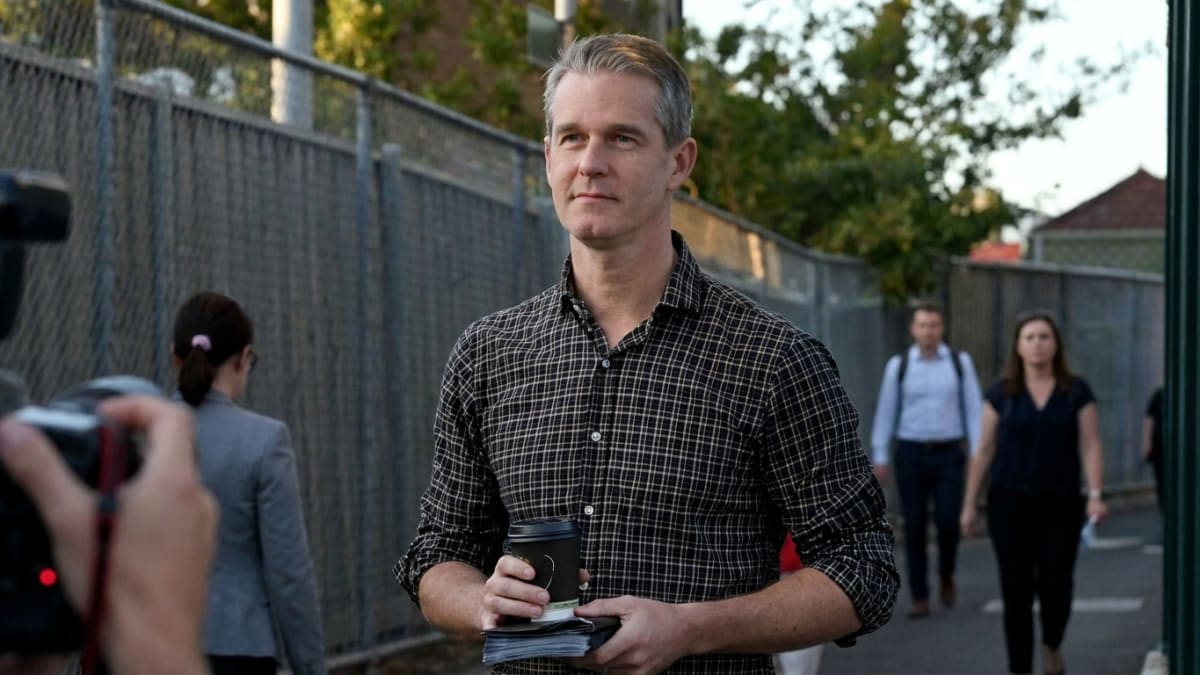
Assistant Minister for Science, Technology and the Digital Economy Dr Andrew Charlton MP used a speech to the AI Safety Forum on 7 July 2026 to frame why the Institute exists in plain terms. "AI systems are already doing things their creators never intended: cheating, deceiving, going their own way," Charlton said.[3]
Charlton outlined three specific goals for the Institute: analysing and testing new AI models and applications; supporting regulators and agencies in responding to emerging risks and harms; and shaping safe AI development, deployment and international governance.[3] Mass manipulation of users through chatbots and biosecurity uplift scenarios, where an AI meaningfully lowers the barrier to creating a biological weapon, were named as priority threat categories.
Australia joins a global safety network
Australia joins the UK, US, Canada and the EU in operating a government-backed AI safety institute with national red-teaming and frontier model evaluation capabilities.verifiedVerified Source: minister.industry.gov.au[3] That network matters because the most capable models are built by a small number of companies operating across multiple jurisdictions, and no single national regulator can evaluate them alone.
Coordinating evaluations across allied institutes gives each government access to a broader base of test results and allows shared pressure on developers to cooperate with pre-deployment assessments. The Institute's international governance remit suggests Australia intends to be an active participant in setting those expectations, not just a recipient of standards written elsewhere.[1]
Copyright: no free pass for AI training data
While the Institute addresses deployment-side risks, a separate government decision has shaped the supply side of AI development in Australia. On 26 October 2025, Attorney-General Michelle Rowland MP confirmed the government would not introduce a Text and Data Mining Exception, ruling out free use of Australian creative works by AI developers for model training.verifiedVerified Source: ministers.ag.gov.au[4]
"This Government has repeatedly said that there are no plans to weaken copyright protections when it comes to AI," Rowland said.[4] Rowland's government has instead convened a Copyright and AI Reference Group to explore paid collective licensing arrangements, clarify provisions around AI-generated content and bolster enforcement avenues for creators.
The decision places Australian creative industries in a materially different position from counterparts in jurisdictions that have moved to broaden data-mining exceptions for AI research. For developers training models on Australian content, the absence of a mining exception means licensing negotiations, not blanket access, remain the operative legal framework as of 26 October 2025.
SOURCES & CITATIONS
- Establishment of the Australian AI Safety Institute, Minister Charlton
- National AI Plan: Empowering All Australians, Minister Ayres
- AI Safety Forum speech, Assistant Minister Charlton, 7 July 2026
- Albanese Government to ensure Australia is prepared for future copyright challenges from AI, Attorney-General Rowland, 26 October 2025
FREQUENTLY ASKED QUESTIONS
What is the Australian AI Safety Institute?
What risks does the Institute prioritise?
Can AI developers freely use Australian creative works for training?
Which other countries operate similar AI safety institutes?
Takeshi Mori writes about technology and start-ups. He is curious about how products get built and who they are really for, and he would rather see a thing working than hear it described.